Your Pool Is Losing Water. Is It Evaporation or a Leak? Here Is How to Know for Sure.
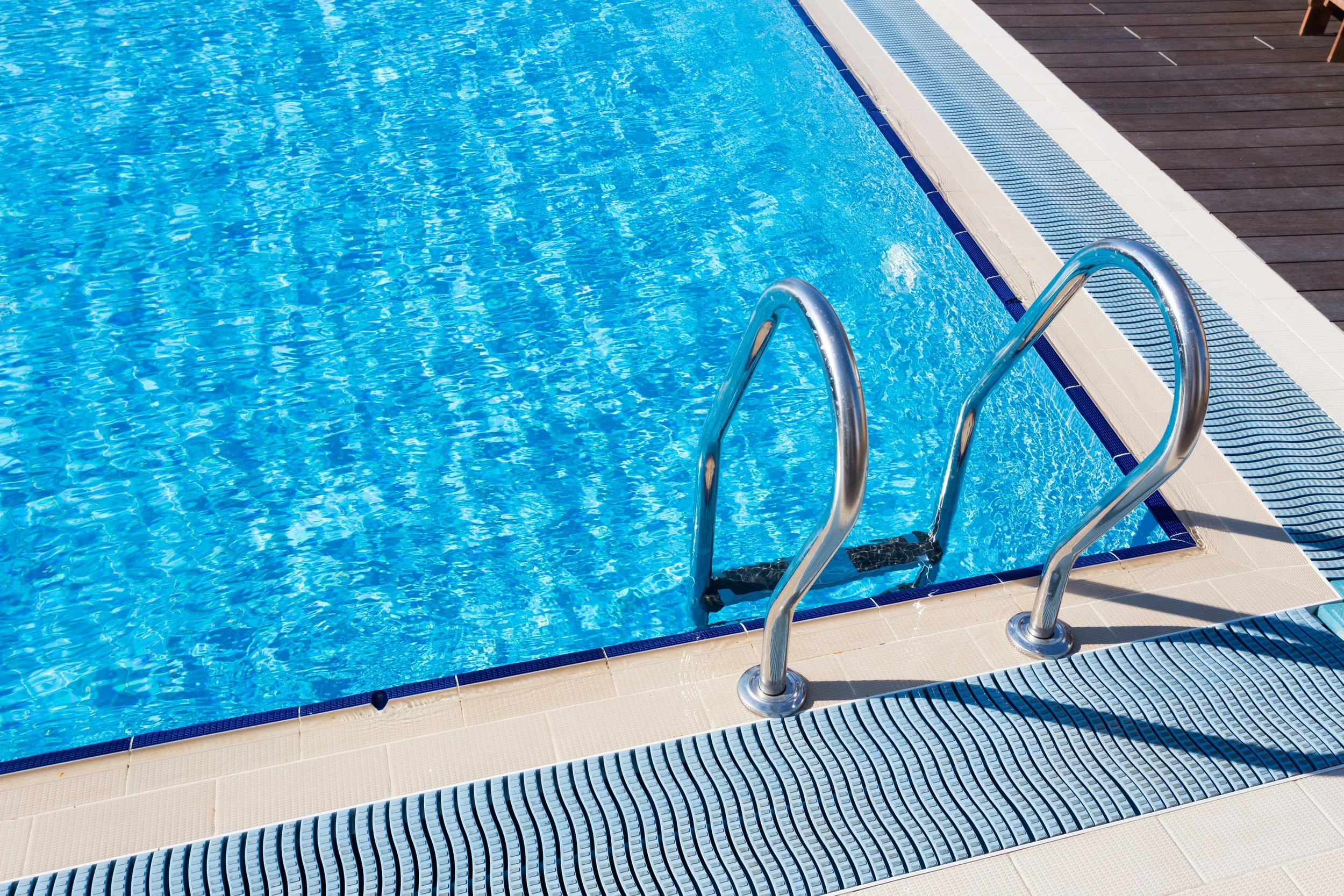
A homeowner called us last summer after noticing her pool water level kept dropping. She had been adding water every few days for about three weeks. She assumed it was the heat. Chandler gets hot enough in July that a pool can lose a couple of inches to evaporation in a week, and that was her explanation until she started doing the math.
She was adding more water than the heat could account for, even in the middle of summer. She did a bucket test, which is a simple check where you fill a bucket to the pool water level, set it on the pool step, and come back in 24 hours. If the bucket and the pool lose the same amount, it is evaporation. If the pool drops more than the bucket, there is a leak.
The pool was dropping more than the bucket. She called us. We found a slow leak at a return line fitting at the far end of the pool equipment run, a connection that had been seeping slowly enough that it took three weeks before the water loss became obvious.
Why Pool Leaks Are Harder to Find Than Most People Expect
A leak inside a pool structure, in the shell, the fittings, or the plumbing that runs underground from the pool to the equipment, does not show itself the way a dripping pipe inside a house does. The water goes somewhere you cannot see, either into the surrounding soil or it evaporates before it accumulates anywhere visible. The only sign is a pool that is consistently lower than it should be.
The challenge with pool leak detection is that there are several places a pool can lose water and they require different approaches to find. The shell itself, including the plaster, the tile line, and any penetrations through the shell wall. The skimmer connections where the skimmer body meets the pool shell. The main drain. The return fittings set into the pool wall. And the underground plumbing running between the pool and the equipment pad, which can have cracks, failed joints, or fittings that have degraded from the soil chemistry and moisture in the ground.
Evaporation in Chandler during summer is real and it is significant. A pool can genuinely lose an inch or more per week in July and August just from heat and dry air. But evaporation has a ceiling. If a pool is losing more than about an inch and a half per week during peak summer, or if it loses water at the same rate overnight when evaporation slows dramatically, that is not all evaporation. Something else is happening.
The Bucket Test: Before You Call Anyone
The bucket test is worth doing before you pay for a leak detection visit. Fill a five-gallon bucket with pool water to about an inch from the top. Set the bucket on the second step of the pool so it is partially submerged, which keeps it at the same temperature as the pool water. Turn off the auto-fill if the pool has one. Mark both water levels, the bucket and the pool, and come back in 24 hours.
If both levels drop by the same amount, evaporation accounts for the loss and the pool structure is likely sound. If the pool drops significantly more than the bucket, you have a leak. The test is not precise enough to tell you where the leak is, but it tells you whether there is one worth investigating.
One thing that skews the test: running the pool pump while the test is happening. If the pump is circulating water and there is a leak in the return plumbing underground, the test will show a bigger drop than evaporation alone. Doing the test with the pump off overnight isolates the structure from the plumbing, and running it a second time with the pump on tells you whether the plumbing system is contributing to the loss.
What Professional Pool Leak Detection Covers
Electronic leak detection equipment can find leaks in underground pool plumbing without excavating to look. We pressurize the lines and use listening equipment that picks up the sound signature of water escaping a pressurized pipe underground. For return lines and suction lines that run under the deck or through the soil around the pool, this approach identifies the location of the leak before any digging happens.
For leaks in the pool shell or at fittings set into the wall, a dye test is the standard approach. A small amount of dye gets placed near suspected fittings, skimmer connections, lights, and the main drain. If there is a leak at that point, the dye gets drawn toward it and makes the location obvious. It is a low-tech method that works very well for finding the source when the general area is already narrowed down.
The combination of pressure testing the plumbing and dye testing the structure gives a complete picture of where water is leaving the pool. In most cases we can identify the source in a single visit. What happens next depends on what we find. A leaking return fitting is a repair that often happens the same day. A crack in the shell goes to a pool repair specialist. A failed underground line has options that depend on its location and the extent of the damage.
Why a Pool Leak Gets Expensive If It Runs Long
The obvious cost is the water itself. Depending on how significant the leak is, a pool losing water continuously can add hundreds of dollars to a water bill over a season and the homeowner barely notices because they are adding water periodically and not tracking the total volume.
The less obvious cost is what the escaping water does to the area around the pool. A leak at an underground return line sends pressurized water into the soil under or around the pool deck. Over time, that water movement can undermine the deck, cause settling, and in more significant cases create voids under concrete that are expensive to address. A leak at the shell sends water into the soil directly against the pool structure, which in the Valley's expansive clay can cause soil movement that affects the pool shell itself.
A pool leak that gets found and fixed quickly is a plumbing repair. One that runs for a season or more before anyone investigates is a plumbing repair plus whatever the water has done to everything around it. The bucket test takes five minutes. If the pool is losing more than the bucket, the time to call is now rather than at the end of the summer.

We Handle Pool Plumbing Leak Detection
Pool leak detection is a specialized service and not every plumber offers it. We use pressure testing equipment and electronic detection on underground pool plumbing lines and can locate most leaks without excavation. If the leak turns out to be in the pool shell or at fittings in the pool wall, we will tell you clearly what we found and what kind of specialist handles that specific repair.
If your pool has been consistently lower than it should be and the bucket test shows more loss than evaporation, do not spend another season adding water and wondering. Get the leak found while the repair options are still straightforward.
Call us at 480-869-6952 or reach out online. We are in Chandler and handle pool plumbing leak detection across the surrounding East Valley. Pricing is discussed before any work begins.