Your Bathroom Remodel Is Going to Hit a Plumbing Problem. Here Is How to Make Sure It Is a Small One.
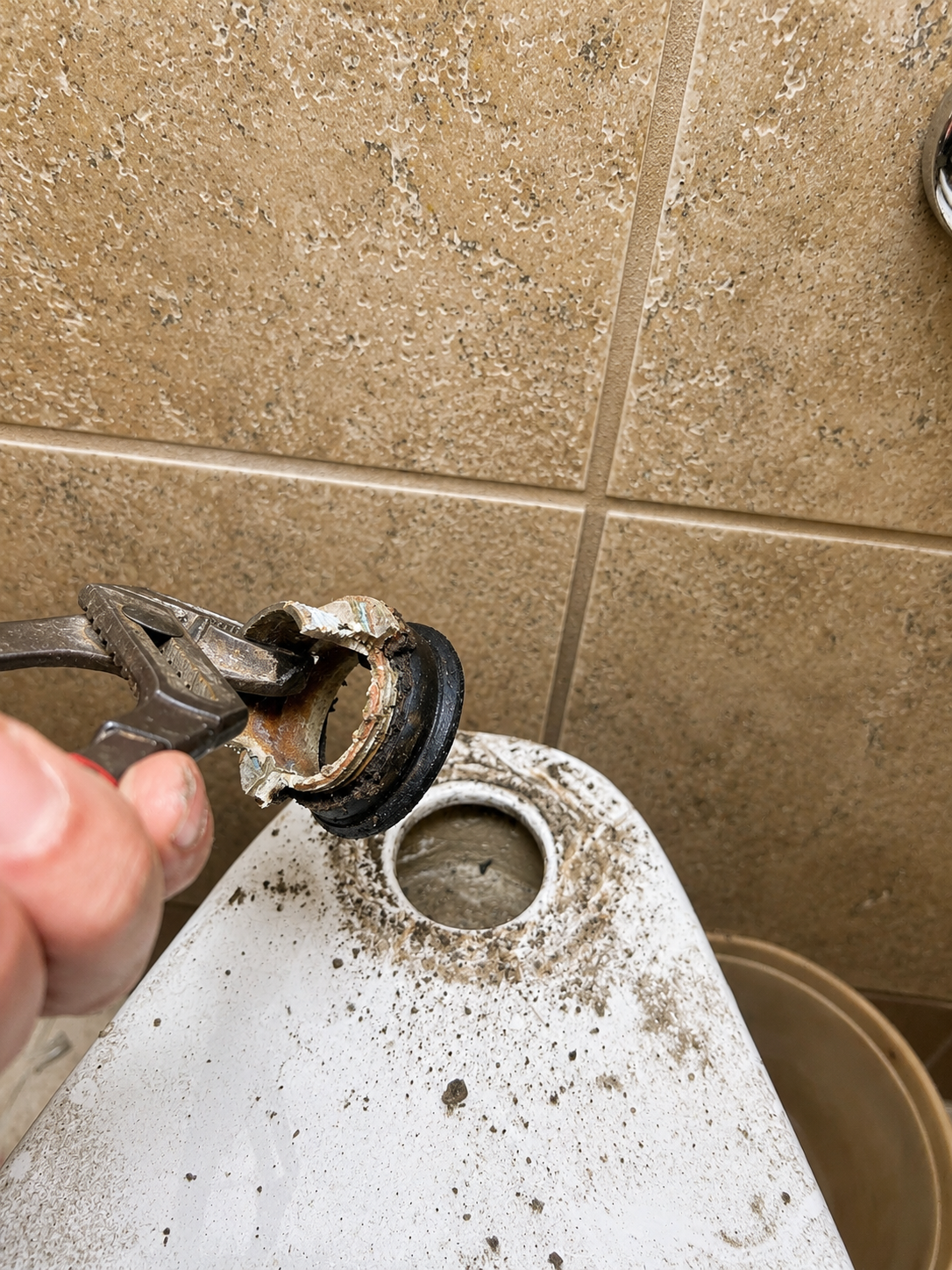
The most common call we get during a bathroom remodel is not a planned call. It is a homeowner or a contractor calling mid-project because something unexpected showed up once the walls came down or the floor came up. A corroded valve that will not close. A shower valve that was leaking behind the tile for who knows how long. A toilet flange that is cracked and sitting lower than the floor it is supposed to be flush with.
None of these are surprises if someone who knows what to look for has walked through the bathroom before demo starts. Every one of them becomes a surprise, and a schedule and budget disruption, if they show up for the first time after the demolition crew has already been paid and the tile is already on order.
A bathroom remodel is one of the best opportunities to get the plumbing in that space right, because the walls and floors are already coming open. The question is whether the plumbing gets addressed proactively as part of the project or reactively after it surprises everyone.
The Shower Valve Is Almost Always Worth Replacing
In a bathroom that is being retiled from scratch, there is almost no scenario where it makes sense to put new tile over an existing shower valve that is more than fifteen years old. The valve is going to keep aging. The tile is going in new. When the valve eventually needs to be replaced, and aging valves in Chandler homes with hard water do eventually need to be replaced, the tile has to come off to get to it.
A shower valve replacement during a remodel when the walls are already open takes a fraction of the time and cost it would take as a standalone project. The rough-in is accessible. The connections are visible. The work happens before anything gets closed back up. Doing it after the tile is in means reopening a wall that someone just paid to finish.
We also see the valve inspection reveal things that nobody knew about. Hidden leaks at the cartridge that had been sending water somewhere inside the wall. Corroded supply connections that were one bad day from failing. The tile looked fine from the front. The wall cavity behind it told a different story. Seeing what is back there before it gets closed up again is not just good practice, it is how you avoid calling a plumber six months after the remodel is done.
Toilet Flange: The Part That Gets Skipped More Than Anything Else
When a toilet gets pulled during a bathroom remodel, the flange is right there. It takes about ten minutes to inspect it properly and confirm it is in good shape before the toilet goes back. A surprising percentage of the time, it is not in good shape.
Cast iron flanges in older Chandler homes corrode. The ring that the toilet bolts to develops cracks or breaks entirely. A flange that is sitting below floor level because new flooring was installed over the original floor without anyone raising the flange creates a seal problem that is not obvious until the toilet starts rocking or a wax seal starts failing.
A new flange or a flange repair kit costs a small amount relative to the total cost of a bathroom remodel. Installing the toilet back on a compromised flange and closing everything up is a decision that comes back around, usually as a slow moisture problem that damages the floor before anyone identifies the source. We check flanges on every toilet pull and replace them when they need it. It is one of the most straightforward ways to make sure the remodel holds up the way it should.
Shut Off Valves and Supply Lines Under Everything
A bathroom remodel that replaces the toilet, the vanity, and the shower fixtures is also the right time to replace the shut off valves and supply lines connected to all of them. Most of what is back there in a Chandler home from the 1990s or early 2000s has never been touched. The braided supply lines are original. The angle stops under the sink are original.
Those components have a service life and they are close to or past it. A new faucet connected to a twenty-five-year-old braided supply line is a liability that the homeowner does not always think about because the supply line is hidden under the sink and out of sight.
We replace supply lines and angle stops as part of every fixture swap during a remodel. It adds a small amount to the material cost and almost nothing to the labor cost when we are already in there. Not doing it and having a supply line failure six months after a finished bathroom remodel is a significantly worse outcome.
Moving Things: When the Cost Jump Catches People Off Guard
A bathroom remodel that keeps all the fixtures in their existing locations is a relatively contained plumbing scope. A remodel that moves the toilet, relocates the vanity, or converts a tub to a walk-in shower with a different footprint involves changes to the drain and supply rough-in that change the cost picture.
Moving a toilet means moving the drain, which in a slab home means going through concrete. Moving a vanity means extending or relocating supply lines and drain connections. Converting a tub to a walk-in shower means repositioning the drain point and potentially updating the supply rough-in for a new valve location. None of this is surprising to a plumber. It surprises homeowners who got a contractor quote that did not include the plumbing line items because the contractor assumed the plumber's scope was separate.
The way to avoid this is the same as everything else in bathroom remodeling. Get a plumber on site during the design phase, not after the tile has been selected and the contractor has started demo. The plumbing scope for a remodel that moves fixtures versus one that does not is a meaningful cost difference and it should be part of the budget conversation from the start.
The Wall Behind the Shower Is the One Nobody Sees
We have opened up shower walls during remodels and found things that made us glad we opened them before new tile went in. Moisture damage from a valve that had been slowly weeping. Black mold in the wall cavity from a drain connection that was not properly sealed. Framing that had been wet long enough to start softening.
The tile that came off those walls looked normal. There was no visible sign from the shower side that anything was wrong. The issues were invisible until the wall was open.
Inspecting the wall cavity behind the shower before new tile goes in is not extra caution. It is the thing that makes the remodel mean something. If the new tile goes over a wall with moisture damage or mold growth, the remodel is cosmetic work over an active problem. Addressing what the wall is hiding while the access is already there is what makes the project last.
Call us at 480-869-6952 or reach out online. We work on bathroom remodels across Chandler and we are most useful when we are involved before demo starts, not after something unexpected surfaces mid-project. Pricing is always upfront.