Your Home's Pipes Have an Expiration Date. Do You Know If Yours Have Already Passed It?
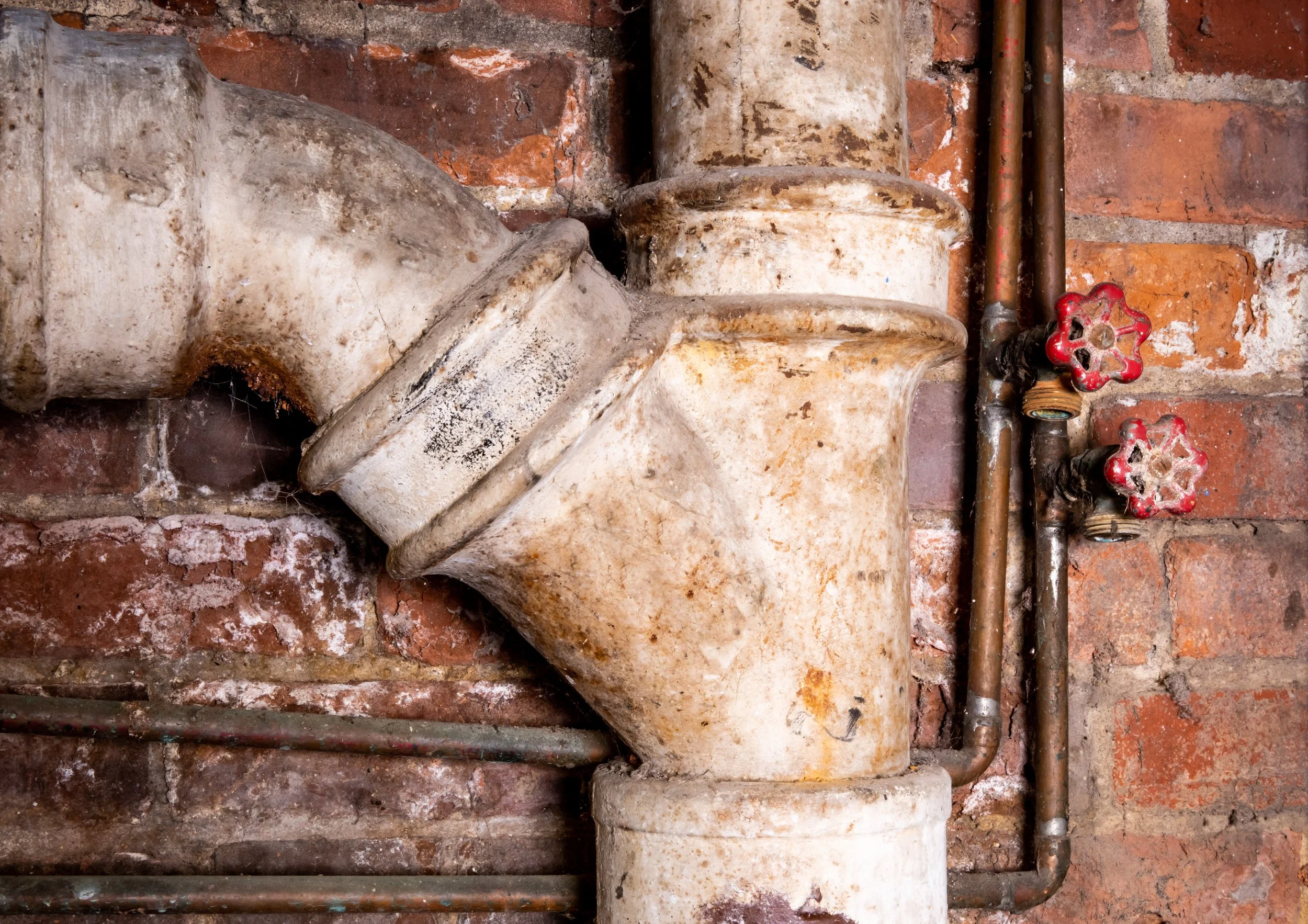
We went out on a low water pressure call in an older Chandler neighborhood a couple of years ago. The homeowner had been dealing with the problem for close to two years. He had tried a new showerhead, had someone adjust the pressure regulator, and neither of those fixed it. By the time he called us he was mostly just resigned to the fact that his shower was going to feel that way from now on.
When we ran the diagnostics, pressure at the main coming in from the street was normal. The regulator was fine. The problem was inside. The galvanized steel supply lines running through his house had been carrying Chandler water for close to forty years and the mineral corrosion on the inside walls had narrowed the pipe opening to a fraction of what it was originally built at. No fixture change or pressure adjustment was going to fix that because neither one addressed what was actually wrong.
We repiped the affected lines. He said the shower felt completely different the next morning. It was the first time in two years it had felt the way it was supposed to. The whole problem had been the pipe and nobody had ever looked at the pipe.
Why Pipe Has a Lifespan and Why Chandler Makes It Shorter
Every material used for residential supply lines has a realistic service life and most of them are shorter than homeowners assume. Galvanized steel, which was common in homes built before the mid-1980s, corrodes from the inside out. The zinc coating that was supposed to protect the steel depletes over years of water contact and then the steel itself starts to rust. The rust does not just weaken the pipe. It coats the interior walls and narrows the passage water moves through, sometimes dramatically.
Chandler's water accelerates this. The mineral content here is among the highest in the country and those minerals leave deposits on every surface they contact, including the inside of supply pipe. A galvanized line that might last 50 years with softer water can be heavily scaled and restricting flow significantly in 30 or 35 years in Chandler conditions.
Homes from the late 1980s and through the 1990s were often piped with copper or with polybutylene, a gray plastic pipe that was widely used during that era. Copper holds up well but is not immune to pinhole corrosion from hard water over decades. Polybutylene is a more serious concern. It has a documented history of failing at fittings and joints over time and there are still homes in Chandler that have it. If you are not sure what your home has, the answer is worth finding out.
CPVC, which was also common in 1990s construction, handles our temperature extremes less gracefully than other materials. Chandler's thermal cycling, hot days and cooler nights repeated through years of Arizona seasons, stresses CPVC joints over time and hairline cracks at fittings are not unusual in homes where the pipe is now 25 or 30 years old.
What the Symptoms Look Like Before Anyone Calls a Plumber
Pressure dropping gradually over months or years is one. Not a sudden change, just a shower that has felt a little worse every few months for so long that the homeowner forgot what good pressure felt like. That pattern almost always points to pipe, not the regulator and not the fixtures.
Discolored water from taps that have not been used recently is another. A slightly brownish or rust-tinted first draw from a faucet that sat overnight is the inside of the galvanized pipe showing up in the water. The color usually clears after running for a minute. That does not mean the pipe is fine. It means the rust is moving.
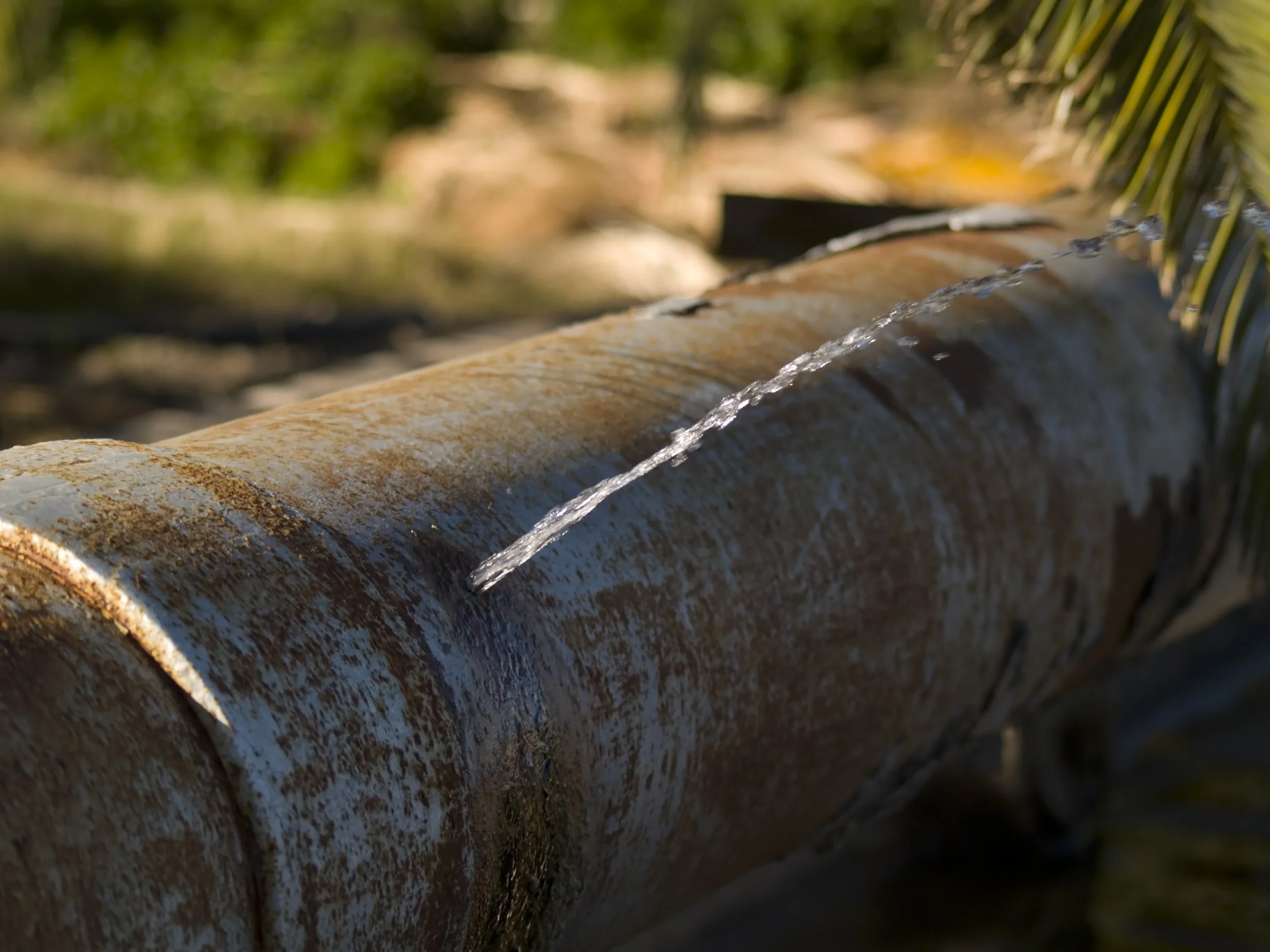
Recurring pinhole leaks in different locations are the most telling sign. One leak in aging pipe is a repair. Two or three leaks in different spots on the same pipe material within a couple of years is the pipe telling you it is past the point of patching.
The homeowner who has been through three separate pinhole leak repairs in eighteen months and is considering a fourth has already spent meaningful money on a problem that is going to keep happening until the pipe is replaced. A repipe at that point is not a bigger expense than continuing to repair. It is the same money applied to a solution that actually ends the cycle.
What Repiping Involves
We assess the existing supply lines before recommending anything. Pressure testing at multiple points, visual inspection of whatever pipe is accessible in utility areas, and a conversation about the home's age and pipe history. If the assessment points toward repiping, we tell you why and what sections are involved.
The work itself is opening walls to run new supply lines from the main to each fixture location, sealing and testing everything, and patching the access points. Most homes take one to two days. For most of that time the water is off for a few hours at a stretch while the new lines are run and connected, not for the entire project.
We use PEX for most repipes. It is flexible enough to run through walls without as many fittings as rigid pipe, it handles temperature extremes better than CPVC, it does not corrode, and it does not scale from hard water the way metal pipe does. Most PEX carries a 25-year warranty. A home that gets repiped with quality PEX is done with the supply line conversation for a long time.
Before we close anything up, every line gets pressure tested. Every fixture gets confirmed. We do not hand off a repipe that has not been fully checked.
If a Renovation Is Already Planned, This Is the Time
A repipe done alongside a renovation that is already opening walls is significantly less disruptive and less expensive than a standalone repipe later. When a bathroom or kitchen renovation is pulling down drywall anyway, adding new supply lines to the scope while access exists is logical. The walls are coming back up once, not twice.
We bring this up when we are on a renovation site and the pipe we see warrants it. Not to add scope for its own sake, but because the homeowner who does not address aging pipe during a renovation they were already planning tends to be back in touch in a few years for the standalone version.
If you are planning a renovation and have not had someone look at your supply lines, it is worth a conversation before the drywall comes down.
Call us at 480-869-6952 or reach out online. We are in Chandler and we assess pipe condition before recommending any scope. Pricing is discussed before work begins.