Weak Water Pressure Is Not Just Annoying. It Is Your Plumbing Telling You Something Is Wrong.
A customer we went out to see in a neighborhood off Alma School had been dealing with low shower pressure for about two years. Not terrible, just not great. He had replaced the showerhead twice. Bought a filter showerhead thinking that might help. Called a plumber at some point who adjusted the pressure regulator and said everything looked fine. Pressure was still weak.
When we ran the diagnostics, pressure coming in from the street was perfectly normal. The regulator was fine. The problem was downstream. The galvanized supply lines running through his house had been carrying Chandler water for close to forty years and the interior of those pipes had corroded and scaled to the point where water was fighting to get through.
He had been replacing showerheads on a pipe that was the problem. Once we repiped the affected supply lines, the pressure throughout the house changed immediately. He said it was the first time the shower had felt right in years. The fix was never going to come from the fixture end because the fixture was never the issue.
Why Getting the Diagnosis Right Actually Matters
Low pressure has a handful of different causes and the fix for each one is completely different. A pressure reducing valve that is failing, a partially closed shut off somewhere in the line, mineral scaling inside aging pipe, a leak pulling pressure away from the system, a failed pressure booster if the home has one. None of these get fixed by the same repair, and guessing wrong means spending money on something that does not help.
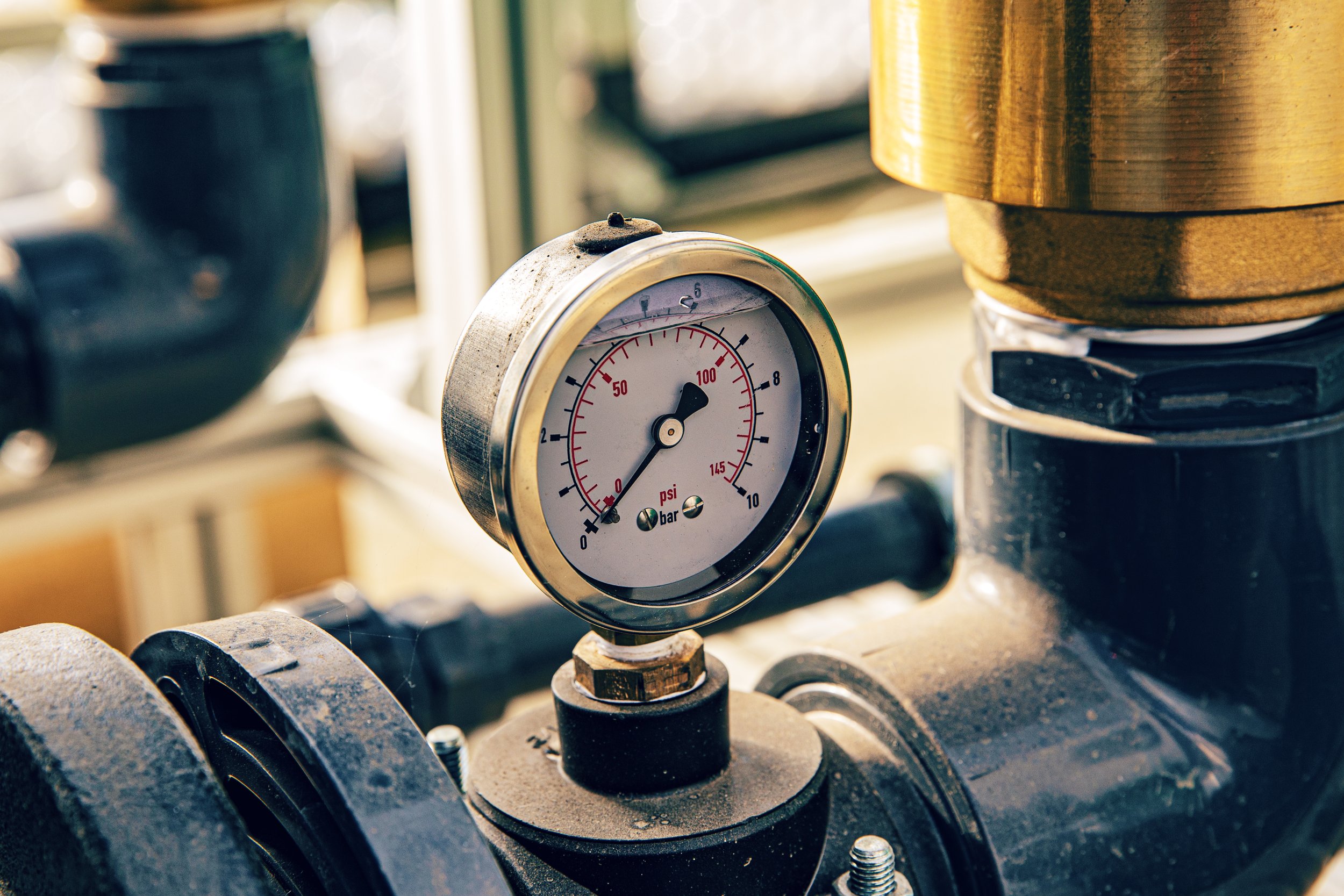
When we come out for a pressure complaint, we test at multiple points in sequence. Pressure at the main coming in from the street. Pressure at the water heater. Pressure at individual fixtures. That sequence tells us where the drop is actually happening before we recommend anything. If pressure is normal at the main and drops at the fixtures, the problem is somewhere inside the house. If pressure is low coming in from the street, the issue is upstream and the conversation is different.
We have been on jobs where the homeowner had already paid someone else to replace the pressure regulator and the pressure was still low afterward, because the regulator was not the problem. Diagnosis first. Always.
The Pressure Reducing Valve
Most homes have one. It sits on the main supply line coming into the house and steps the incoming street pressure down to a range the home's fixtures and pipes can handle safely. Street pressure can run high, sometimes 80 to 100 PSI or more, and most residential plumbing is rated for considerably less than that.
PRVs wear out over ten to fifteen years. When they fail in the closed position, the whole house loses pressure and there is no obvious sign of where the problem is coming from. We test PRV function as part of any pressure diagnostic. If the valve is the issue, replacing it is a straightforward fix with an immediate result.
A failed PRV that goes the other direction, stuck open, is actually a more urgent situation. Full street pressure running through a home's supply lines and fixtures puts stress on everything downstream, and that stress accumulates. It is worth testing if you have not had the valve looked at in a while and especially if your pressure has felt unusually high recently.
Partially Closed Valves
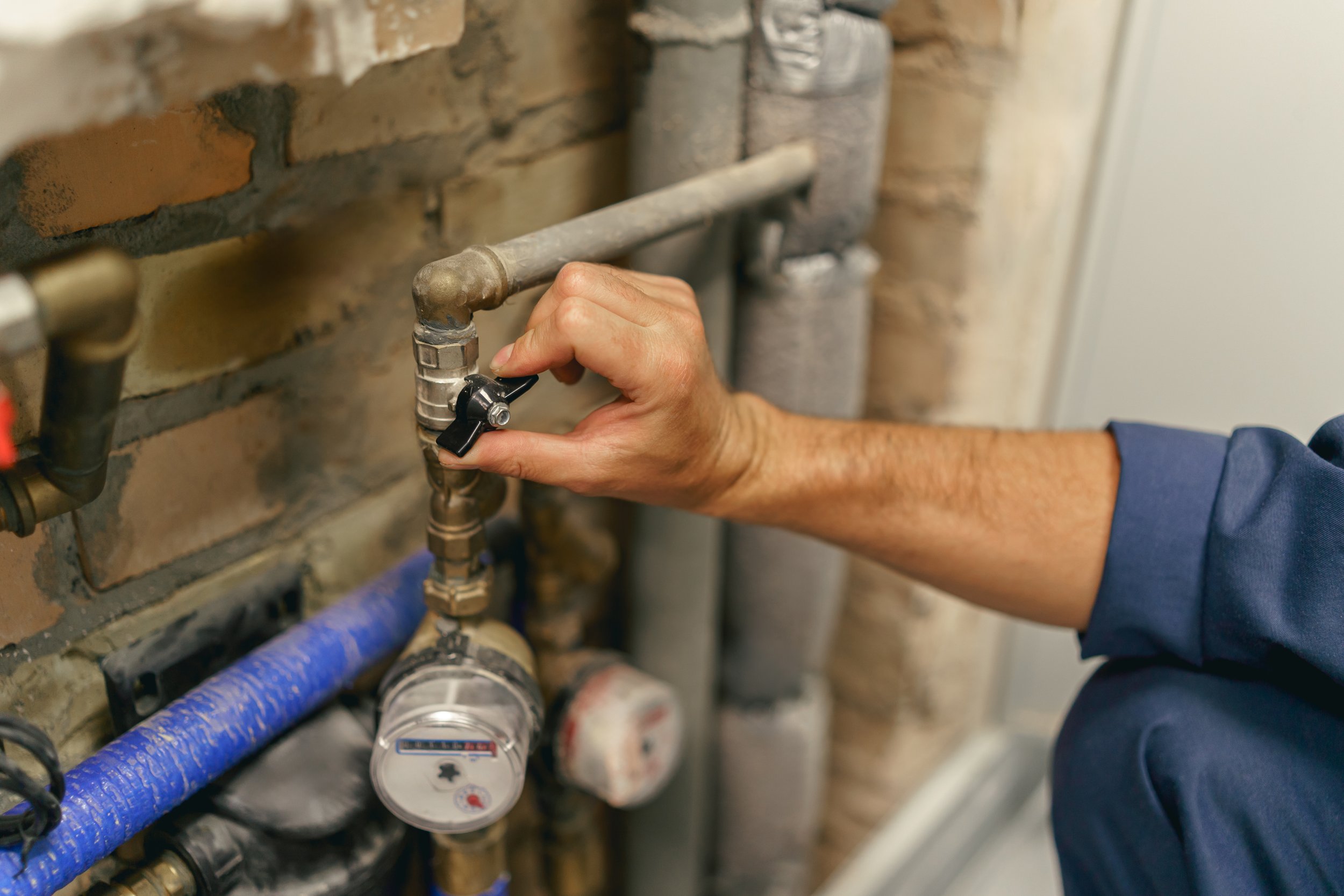
This one sounds almost too simple but it comes up. A shut off valve that got bumped during a repair or was never fully reopened after being closed restricts flow to everything downstream. If pressure is low in one area of the house but fine in another, a valve somewhere in that line that is not fully open is one of the first things to check.
Main shut off valves on older Chandler homes sometimes develop internal wear that prevents them from opening fully even when they are turned to what looks like the open position. We test the valve, not just look at the handle position. A valve that is visually open but restricting flow still needs to be replaced.
Individual shut offs under sinks and behind toilets are the same story. If pressure at one fixture is noticeably lower than at others nearby, the shut off serving that fixture is the first place to look.
Mineral Scaling in Older Pipe
This is what was happening to the homeowner on Alma School. Chandler water is loaded with calcium and magnesium. Over years, those minerals deposit on the interior walls of supply pipes and the opening water flows through gradually narrows. A pipe that started at full diameter can lose a significant portion of its effective interior space after decades of hard water running through it.
Galvanized steel pipe, which was common in Chandler homes built before the mid-1980s, is especially vulnerable. It corrodes from the inside out and the corrosion combines with mineral scale to narrow the pipe faster than scale alone would. The pressure drop that results is real and it affects every fixture downstream. No regulator adjustment or fixture replacement addresses it because the pipe itself is the restriction.
CPVC and older copper pipe from the 1990s can scale too, though less dramatically. If your home has original pipe from that era and pressure has been declining gradually for years, a pipe assessment is worth having. We can run pressure tests at multiple points to identify where the restriction is concentrated before recommending what to do about it.
When Pressure Drops Suddenly
Gradual pressure loss over months or years points to scaling, PRV wear, or aging pipe. Pressure that dropped noticeably in a short period is a different signal and needs faster attention.
A supply line leak pulling water out of the system will reduce pressure at fixtures. A slab leak, a pinhole in a wall, an outdoor line that has failed, all of these can show up first as reduced pressure before any visible water appears. We have gone out on pressure calls and found a leak that nobody knew was there because the only sign was the shower feeling weaker than it used to.
Sudden pressure loss across the whole house, especially if accompanied by any sound of running water when nothing is on, should get a call placed the same day. The sooner a leak gets found, the less water has gone somewhere it should not.
A Few Things to Tell Us When You Call
Whether the pressure drop is throughout the whole house or limited to specific fixtures or areas. Whether the change was sudden or happened gradually over time. Whether anything was worked on or turned off around the time it started. Whether the water has any discoloration, even slight, when you first run a tap that has been sitting for a while.
None of that needs to be precise. It just narrows down the likely cause before we arrive and means the diagnostic goes faster. Low pressure almost always has a specific, fixable source. Finding it just requires testing in the right order.
Call us at 480-869-6952 or reach out online. We are based in Chandler and run a proper diagnostic before recommending any repair. Pricing is discussed before any work starts.