Your Pipes Are Making Noises They Should Not Be Making. Here Is What Each One Means.
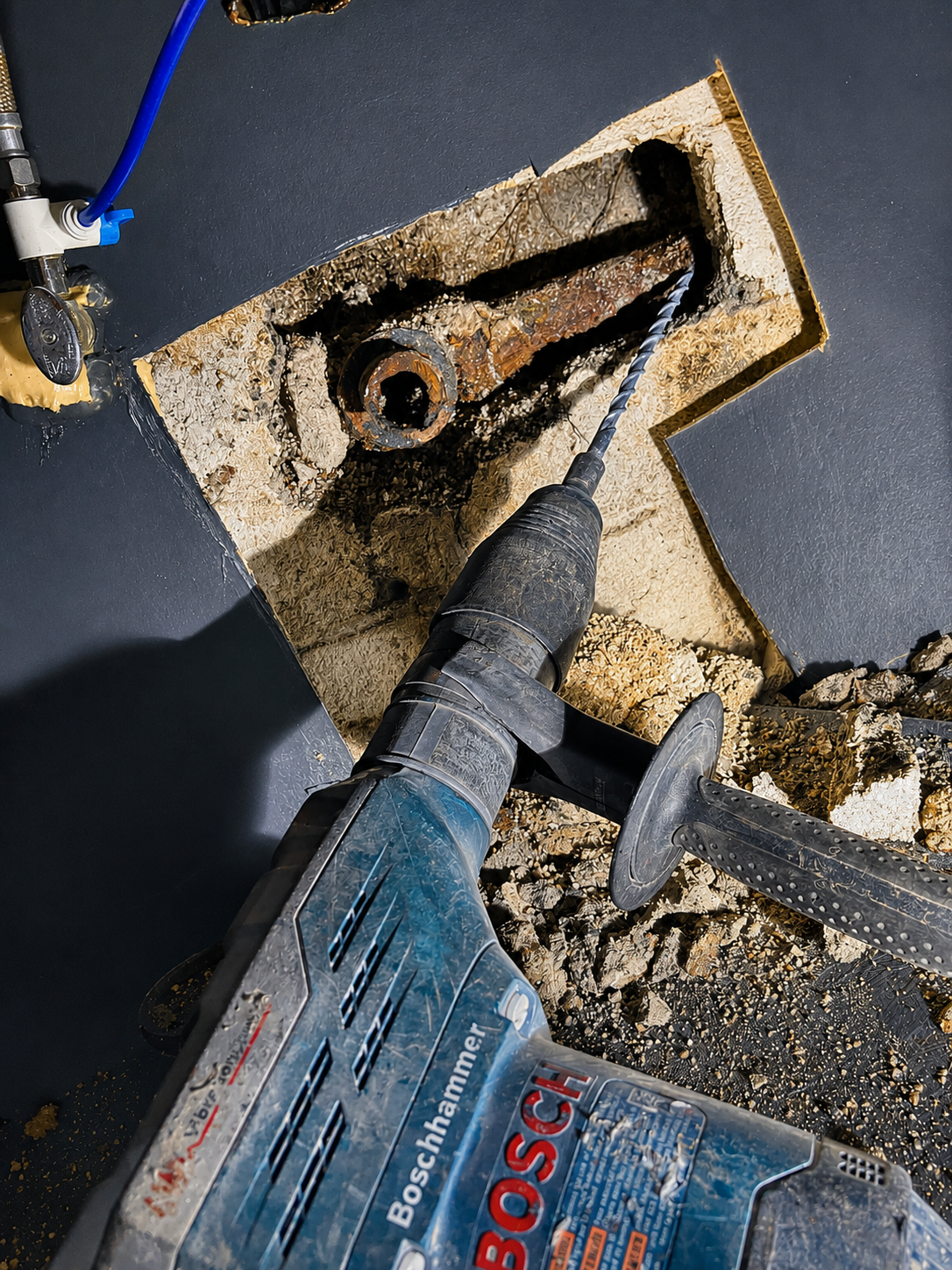
A homeowner called us about a banging sound coming from inside the wall behind her dishwasher. It had been happening for two months, always at the same moment the dishwasher finished its cycle and shut off. She had gotten used to it enough that she almost did not mention it. Almost.
That sound is called water hammer. What happens is that water moving through the pipe at speed gets stopped abruptly when the valve closes, and the pressure from that moving water has to go somewhere. It goes into the pipe wall. One bang feels harmless. The same bang happening every cycle for two months is putting repeated stress on the fittings and joints in that line.
Most homeowners learn to tune out pipe sounds because nobody has told them what those sounds actually mean. Some of them mean nothing much. Others are worth paying attention to. Here is a practical breakdown.
The Banging or Thudding Sound After a Fixture Shuts Off
Water hammer is the most common pipe noise complaint we get. Washing machines are a frequent source because the solenoid valves inside them close fast. Dishwashers, toilet fill valves, and quick-closing faucet cartridges all create the same effect. Water moving through the pipe gets stopped fast and the momentum has to go somewhere.
Some older homes had air chambers installed near fixtures specifically to cushion that pressure surge. They are vertical sections of pipe capped at the top, and the trapped air acts as a buffer. Over years, that air gets absorbed into the water supply and the chamber fills with water, which is why water hammer can start showing up in a home that never had the problem before. The chamber is still there but it is not doing anything anymore.
A water hammer arrestor is the current solution. It installs at the supply connection to the fixture and absorbs the surge mechanically. For most single-fixture situations it resolves the banging completely. If the banging is happening throughout the house rather than at one location, the incoming water pressure is worth testing as well. High street pressure amplifies the problem significantly and no arrestor will fully compensate for pressure that is running way above what the plumbing is rated for.
The thing about water hammer is it does not always stay at the same intensity. We have gone out to homes where a fitting had worked itself loose over years of the same pressure spike repeating at the same joint. Catching it early keeps it a simple fix.
Humming or Vibrating While Water Is Running
A hum or vibration that happens specifically while a faucet or shower is running is usually coming from a worn washer or seal inside the fixture. As the component wears, water passing through it at pressure makes it resonate. The frequency of that resonance is what you hear as a hum.
A cartridge or washer replacement inside the fixture fixes it in most cases. It is not an emergency but worn internal components do not improve on their own. They keep wearing until the faucet starts dripping, then leaking, and at that point the repair is the same work you would have done earlier plus the inconvenience of the drip.
If the hum is coming from the walls rather than from a specific fixture, that is a different signal. Water moving through pipes at excessive pressure can create a resonance in the line itself. A whole-house hum that is not tied to one fixture is worth a pressure check, because the solution is not at the faucet, it is at the pressure regulator.
Ticking and Clicking After the Hot Water Runs
Copper pipe expands when it heats up and contracts as it cools. As it moves, it shifts against whatever it is resting on or running through, brackets, wooden framing, concrete, and that contact produces a tick or a click. This is thermal expansion and in mild forms it is completely normal.
When it gets louder or happens for a long time after the water has been off, the cause is often a closed plumbing system without a way to relieve thermal pressure. A check valve on the main supply or a pressure reducing valve that does not allow expansion back toward the street forces the thermal pressure to build up inside the home's plumbing instead. The pipe moves more dramatically, the sounds get louder, and eventually the stress on fittings becomes a concern.
A thermal expansion tank added to the water heater side gives the system somewhere for that pressure to go. It is a standard fix and it usually quiets the ticking noticeably. If your hot water pipes have always been loud after a shower, it is worth mentioning to us when you call.
Whistling From a Fixture or Inside the Wall
A whistle at a showerhead or faucet is almost always mineral buildup restricting the flow path. Chandler water is hard enough that showerhead nozzles and faucet aerators accumulate calcium deposits over time. Water forced through a narrowed opening moves fast enough to produce a tone, and that is what you hear.
Removing the aerator or showerhead and soaking it in white vinegar overnight clears most calcium buildup. If the showerhead is past the point where cleaning makes a difference, a replacement is inexpensive and the pressure and sound both improve immediately.
Whistling that is coming from inside the wall, and not from a fixture you can reach, is different. That can mean a partially closed valve somewhere in the line, a fitting that has started to collapse internally, or a section of older pipe that has narrowed from scaling over many years. None of those fix themselves and a plumber needs to trace where the restriction is before anything can be addressed.
Gurgling When Water Drains
Gurgling from a drain is not a supply line issue. It is an air problem in the drain system. When a partial blockage exists in a drain line, water moving past it pushes air backward through the line. That air has to exit somewhere and it usually comes up through the nearest fixture trap, which is the water you hear gurgling in the drain.
One gurgling drain on its own after running that fixture is usually a localized clog close to the fixture. Gurgling from one drain while using a completely different fixture in another part of the house means the blockage is further down in a shared line, and that situation needs a proper drain cleaning rather than a plunger.
Left alone, a partial blockage becomes a full blockage. The gurgling stage is actually the easier one to address.
When the Sound Is Worth a Call
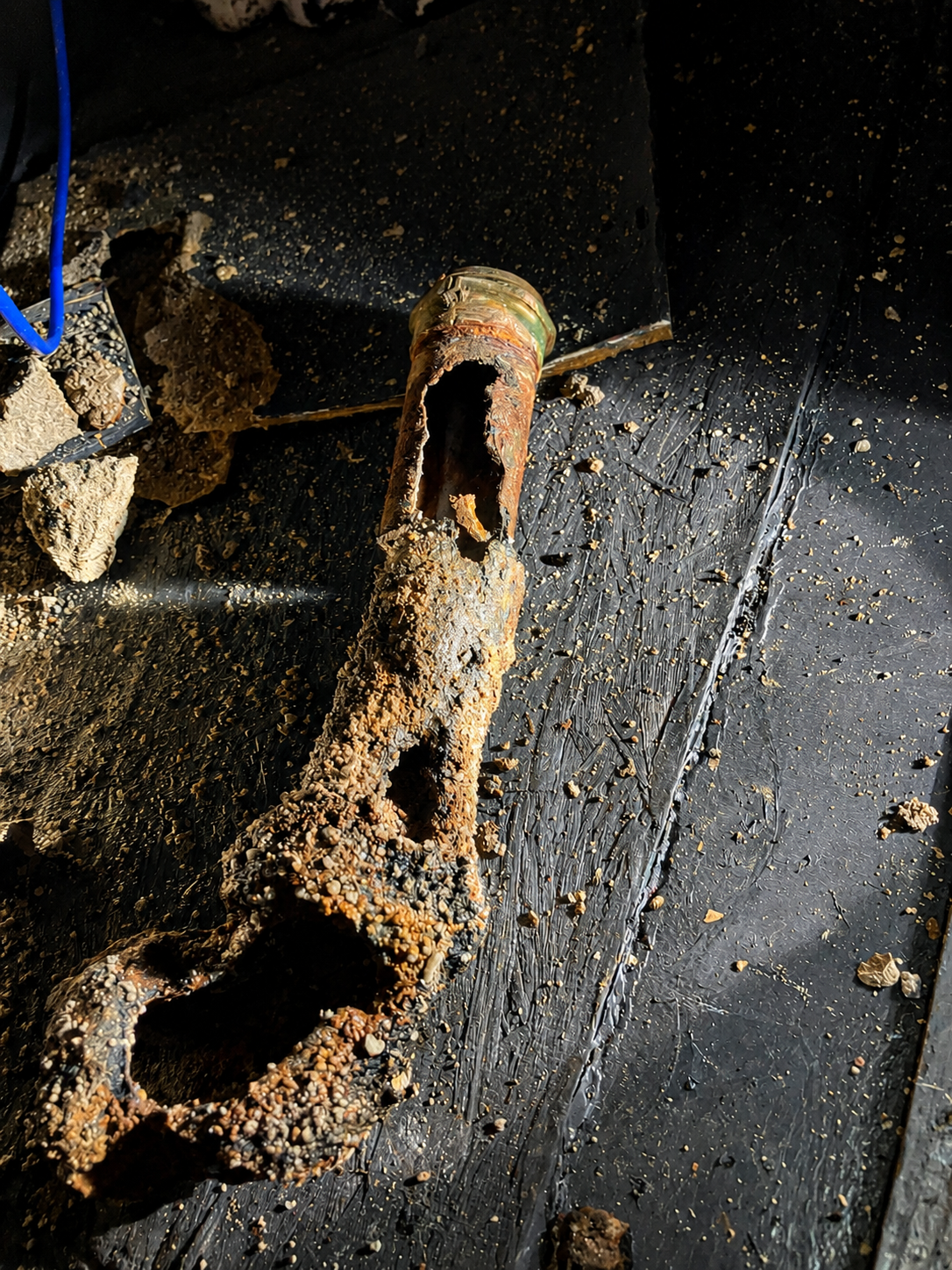
Anything that is new and was not there a month ago. A noise that has gotten louder or more frequent over weeks. Banging at multiple fixtures rather than just one. A hum or whistle that is in the walls rather than at a specific tap. Any sound accompanied by reduced pressure or discolored water.
Pipe sounds that are minor tend to stay minor until something in the system finally lets go. The banging that has been happening for two years has been stressing something for two years. Getting it looked at is almost always simpler and cheaper than whatever comes after it is ignored long enough.
Call us at 480-869-6952 or reach out online. We are based in Chandler and happy to talk through what you are hearing before scheduling anything. Pricing is always discussed before any work starts.