Thinking About Adding a Gas Appliance or an Outdoor Grill Line? Read This First.
This comes up a lot when homeowners are redoing a kitchen or finishing an outdoor space. They want to switch from electric to gas, or they are adding a grill station on the patio, or they bought a gas dryer and the hookup in the laundry room is electric only. The appliance is picked out. The space is ready. Then they realize there is no gas line where they need one.
Gas line work is one of those things that has to be done by someone licensed to do it. Not because it is necessarily complicated in every case, but because the consequences of it being done wrong are serious enough that this is not an area to cut corners. We handle gas line installations regularly and the questions people have before they call are usually the same ones.
What Actually Goes Into Running a New Gas Line
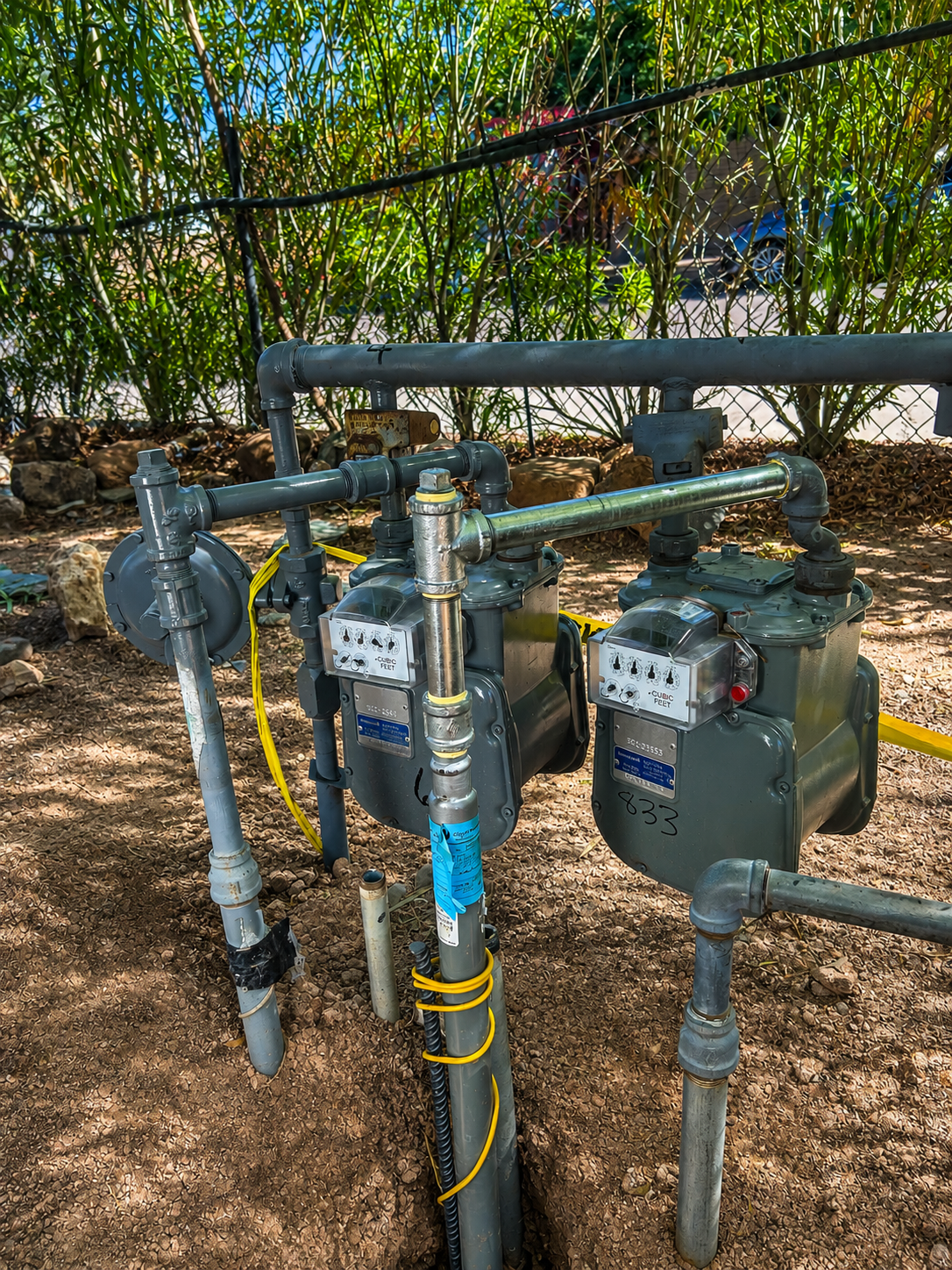
The starting point is always the existing gas supply in the home. Every house with natural gas has a main line coming in from the street and a distribution system that branches off to wherever gas appliances are already located. Adding a new line means tapping into that system and running a branch to the new location.
How involved that is depends entirely on where the new connection needs to go. Adding a gas range in a kitchen that already has a gas supply nearby is a much simpler job than running a line from the main through a finished wall to an outdoor patio. Both are doable. They just scope differently.
We always assess the existing gas system before quoting any new installation. The capacity of the existing line matters. If a home already has a gas furnace, water heater, and range all drawing from the same supply, adding a high-BTU appliance without verifying the line can support the additional load is something we catch before it becomes a problem after installation.
Permits are part of the process for gas line work in Chandler. That is not optional and it is not something we skip. A permitted installation gets inspected, which protects the homeowner as much as it protects anyone else. We handle the permit process as part of the job.
The Outdoor Grill Line Situation
Adding a natural gas line to an outdoor grill is one of the more popular installation requests we get, especially in the fall when people are setting up outdoor kitchens and patio spaces.
The appeal is obvious. No propane tank to refill, no running out of gas mid-cook, consistent pressure that a dedicated line provides. A lot of homeowners who do this say they use the grill more often afterward simply because the inconvenience of managing propane is gone.
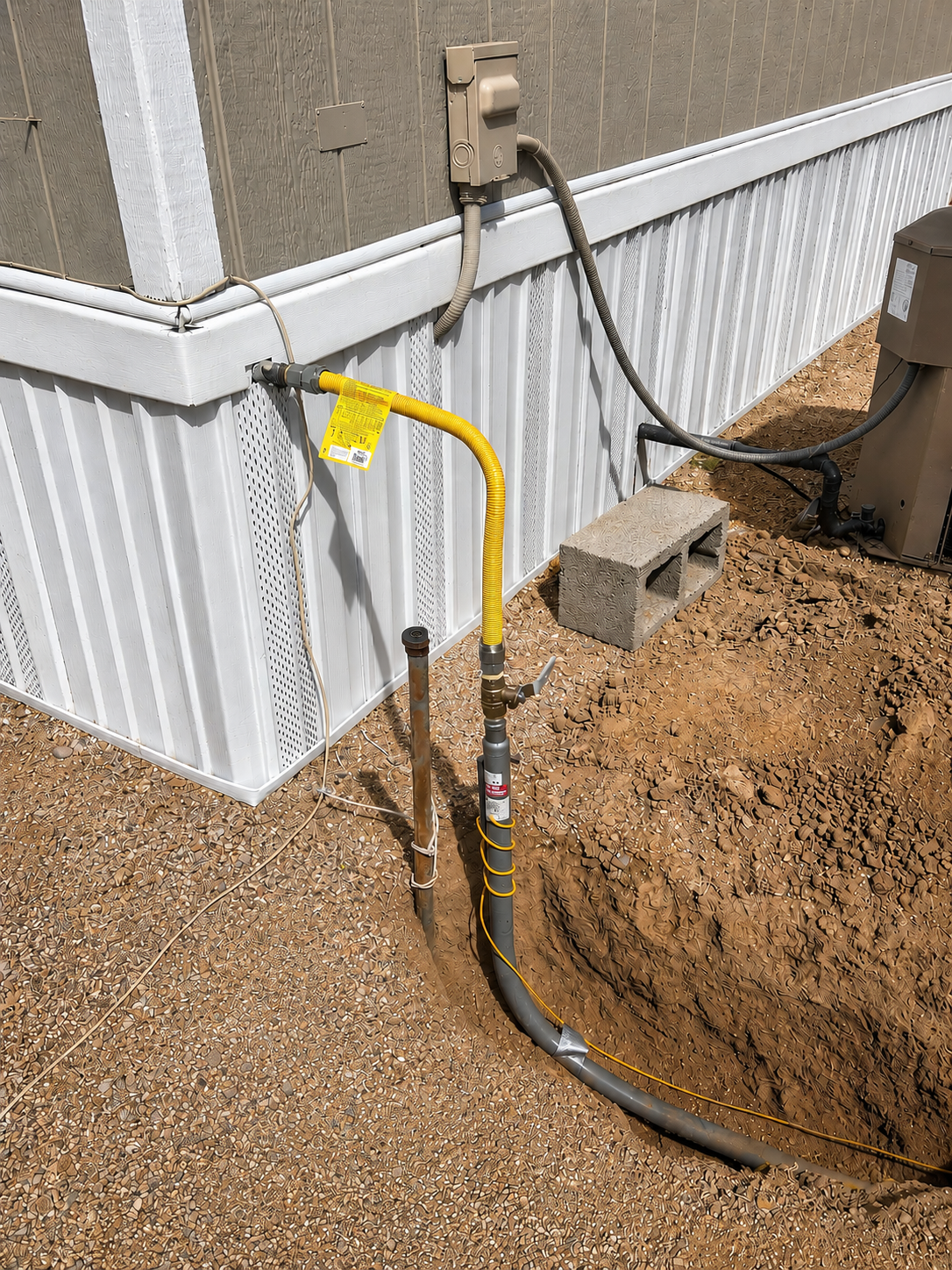
The work involves running a gas line from the interior supply to the outdoor location, installing a dedicated shut-off at the connection point, and pressure-testing the line before the grill is connected. Depending on the distance and the routing through exterior walls or under the patio, the complexity varies.
One thing worth knowing: we need to know what grill is being connected and what BTU rating it has. A standard residential grill and a commercial-style burner setup have different supply requirements, and the line gets sized accordingly.
Switching From Electric to Gas in the Kitchen
Homeowners doing a kitchen renovation sometimes want to make the switch from an electric range to gas. The cooking performance difference for people who cook seriously is significant, and the preference for gas over electric among people who spend real time in the kitchen is something we hear consistently.
The practical side is that the kitchen needs both a gas supply and a proper ventilation setup for a gas range. We handle the gas line side. If there is no existing gas supply in the kitchen, a line gets run from the nearest supply point, which is usually the garage or the utility area depending on the home's layout.
There is also the question of what happens to the existing 240-volt electric outlet for the old range. That outlet stays in the wall and does not interfere with the gas installation, but if the space is getting fully remodeled it is worth knowing it is there.
We have done enough kitchen gas conversions to know what the common snags are. The supply capacity question always gets checked. The routing through cabinets or walls gets planned before any cutting happens. The final connection at the range gets pressure-tested before the appliance is pushed into place.
Gas Dryer Lines
A lot of newer homes in Chandler were built with electric-only laundry rooms even when the rest of the house has natural gas. Whether that was a builder cost decision or just the way the layout worked out, homeowners who want to switch to a gas dryer need a line run to the laundry room.
Gas dryers tend to have lower operating costs than electric models because natural gas is generally cheaper per unit of heat than electricity. The installation is a gas line to the laundry room with a properly rated connection point. It is a job that typically takes a few hours depending on the distance from the nearest supply and the routing through the home.
One thing to confirm before installation: the laundry room needs adequate ventilation for a gas dryer, and the exhaust duct needs to run to the exterior. We check that as part of the installation to make sure the setup is code-compliant and safe before anything gets connected.
What to Expect When You Call Us for a Gas Line Job
We start with a conversation about what you are trying to do, where you need the supply, and what appliance is going in. From there we assess the existing gas system, figure out the routing, and give you a clear price before any work starts.
We pull the required permits, do the installation, and the work gets inspected before the line goes into service. That inspection step is built into the process and it is what gives you documentation that the installation was done to code.
If you have been putting off a gas line project because you were not sure how to start, a phone call is the easiest first step. We can tell you quickly whether the job is straightforward or whether there are factors that would affect the scope and price.
Call us at 480-869-6952 or reach out online. We are at 434 N. San Marcos Place in Chandler and happy to answer questions before you commit to anything.