How Often Should You Actually Get Your Plumbing Inspected? Here Is the Honest Answer
A homeowner asked us this a few weeks ago in a way that made us realize how often people are confused about it. She said she had lived in her house for eleven years and had never once had the plumbing looked at unless something was already broken. She was not asking out of negligence. She just had no idea that a checkup without a problem attached to it was even something people did.
It is. And the homeowners who do it consistently avoid a lot of the surprise repairs that the homeowners who do not do it end up calling us about.
Why a Plumbing Inspection Without an Obvious Problem Still Matters
Most people only think to call a plumber when something is already wrong. Water is pooling, a drain is slow, a bill spiked. That reactive pattern means by the time we get involved, whatever caused the issue has usually been developing quietly for a while.
A routine inspection flips that. We are looking at your plumbing before it is telling you something is wrong, which means we catch things in the early, cheap stage instead of the late, expensive one. A pressure regulator that is starting to fail. A water heater showing early sediment buildup. A shut off valve that does not fully close. None of these are emergencies yet. All of them become one eventually if nobody looks.
This is the same logic as a car getting an oil change before the engine has a problem, not after. Plumbing just does not get talked about the same way, so most people never set up that habit.
What We Actually Look At During an Inspection
We check the main shut off valve and confirm it closes and opens fully. A valve that has not been touched in years sometimes does not work when you actually need it, and that is not something you want to discover during an emergency.
We check water pressure at the street side and confirm the pressure reducing valve, if the home has one, is performing within a safe range. Pressure that is too high puts ongoing stress on every fixture and supply line in the house, and most homeowners have no idea what their pressure actually is.
We look at the water heater. Age, signs of sediment buildup, condition of the anode rod if it is accessible, and whether the unit is performing the way it should for its age. In Chandler, sediment from hard water is the single biggest factor that shortens a water heater's life, so this gets specific attention.
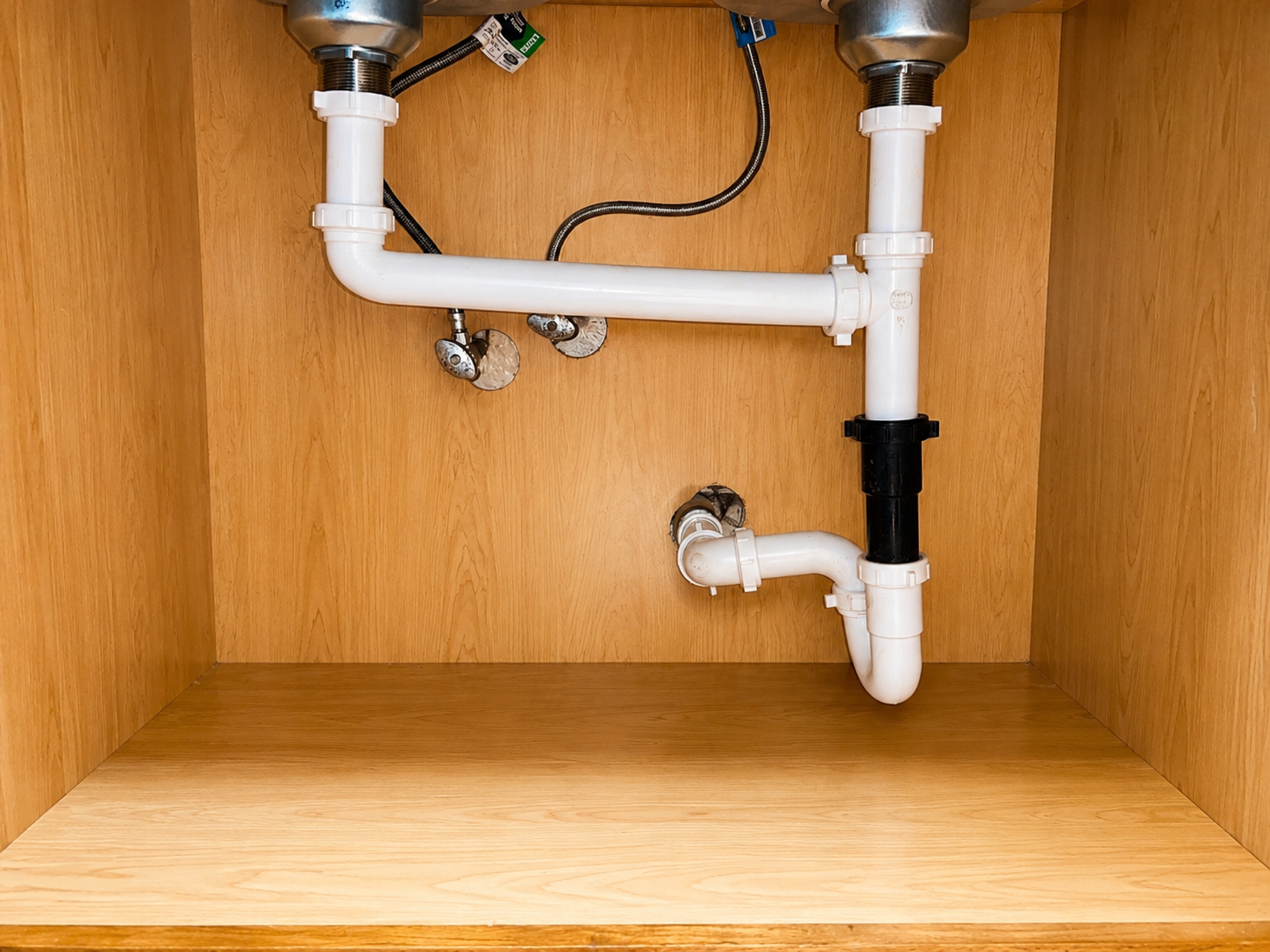
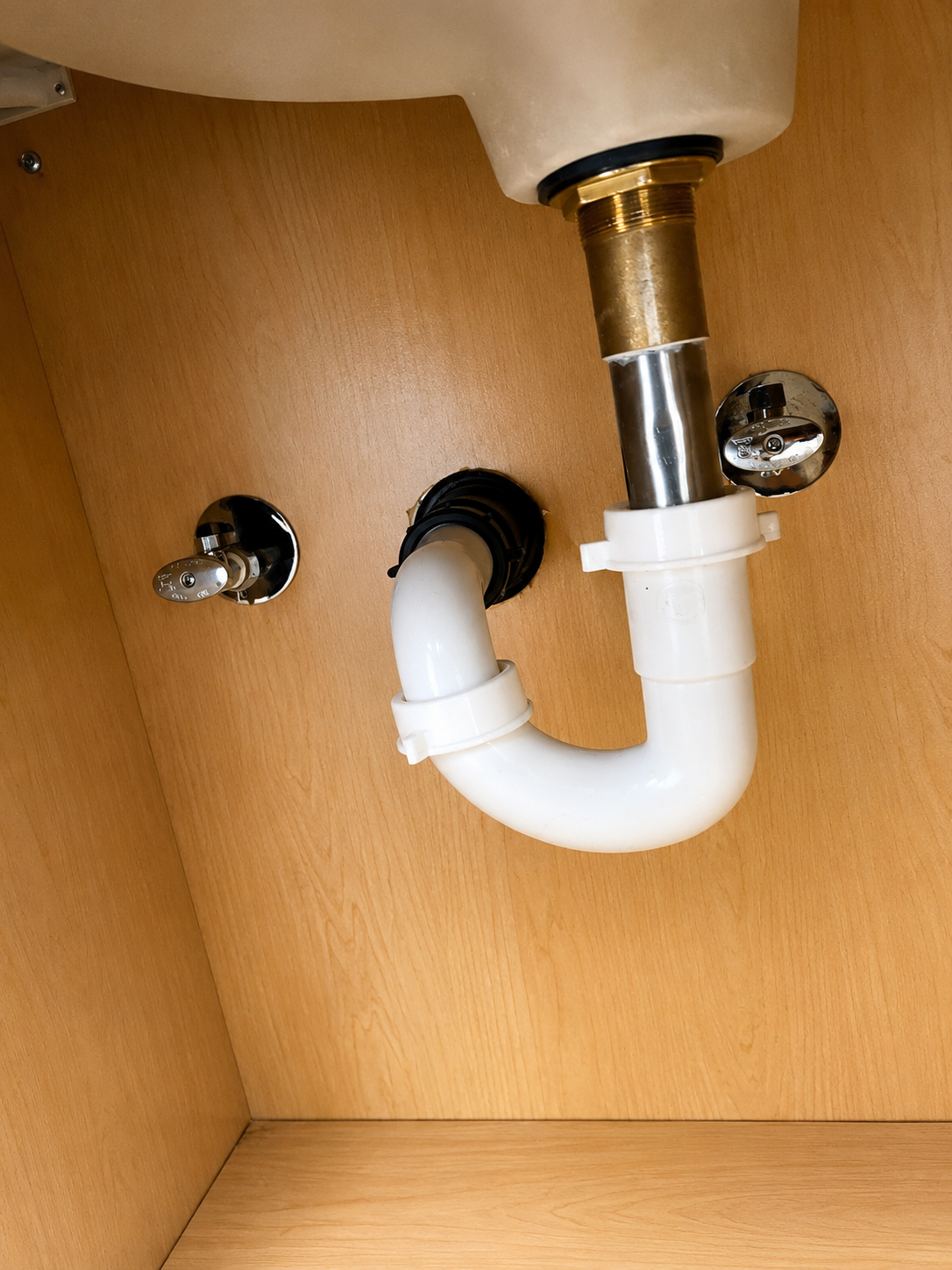
We check visible supply lines and fixture shut offs under sinks and behind toilets. Braided lines have a service life and we flag any that look like they are approaching it.
If there is any concern about the sewer line, especially in an older home or one with mature landscaping nearby, we talk about whether a camera inspection makes sense as a next step. A routine visual inspection does not replace a camera in the sewer line, but it tells us whether one is worth recommending.
How Often This Should Actually Happen
For most homes, once a year is a reasonable cadence. It is frequent enough to catch developing issues before they become expensive and infrequent enough that it is not a burden to schedule.
Older homes, anything before the 1990s, benefit from being a little more attentive, sometimes closer to every six months if the home has a history of plumbing issues or if major components have not been updated. Newer homes can sometimes stretch the interval slightly, though we would still recommend not going much past eighteen months without someone looking at it.
Homes with known risk factors deserve more frequent attention regardless of age. Mature trees near a sewer line, a history of slab leaks, a water heater that is already past ten years old. These are situations where waiting the full year is probably waiting too long.
Buying or Selling a Home? This Matters Even More
A standard home inspection during a real estate transaction covers visible and accessible plumbing, but it does not typically include a camera through the sewer line, and it often does not go deep into the condition of the water heater or supply lines beyond a surface check.
If you are buying a home in Chandler, especially one built before the 2000s, a plumbing inspection on top of the standard home inspection gives you a much clearer picture of what you are actually taking on. We have found things during pre purchase inspections that changed how a buyer negotiated, including aging pipe material and sewer lines with root intrusion that nobody else had caught.
If you are selling, the same logic works in your favor. An inspection ahead of listing means you know about issues before a buyer's inspector finds them, and you get to decide how to handle it on your terms instead of in the middle of a negotiation.
What Happens After the Inspection
You get a clear picture, not a sales pitch. If everything looks good, we tell you that and give you a reasonable timeline for the next check. If something needs attention, we explain what it is, how urgent it actually is, and what the options are.
Nothing gets fixed without your say. The inspection is information. What you do with it is up to you, and we are not going to manufacture urgency around something that can reasonably wait.
Worth Putting on the Calendar
If it has been a year or more since anyone looked at your plumbing, or if you cannot remember the last time someone did, that is usually a sign it is due. It does not need to wait until something breaks.
Call us at 480-869-6952 or schedule an inspection online. We are based in Chandler and we will give you an honest read on where things stand.