Burst Pipe at 2 A.M.? Here Is What to Do Before the Plumber Arrives
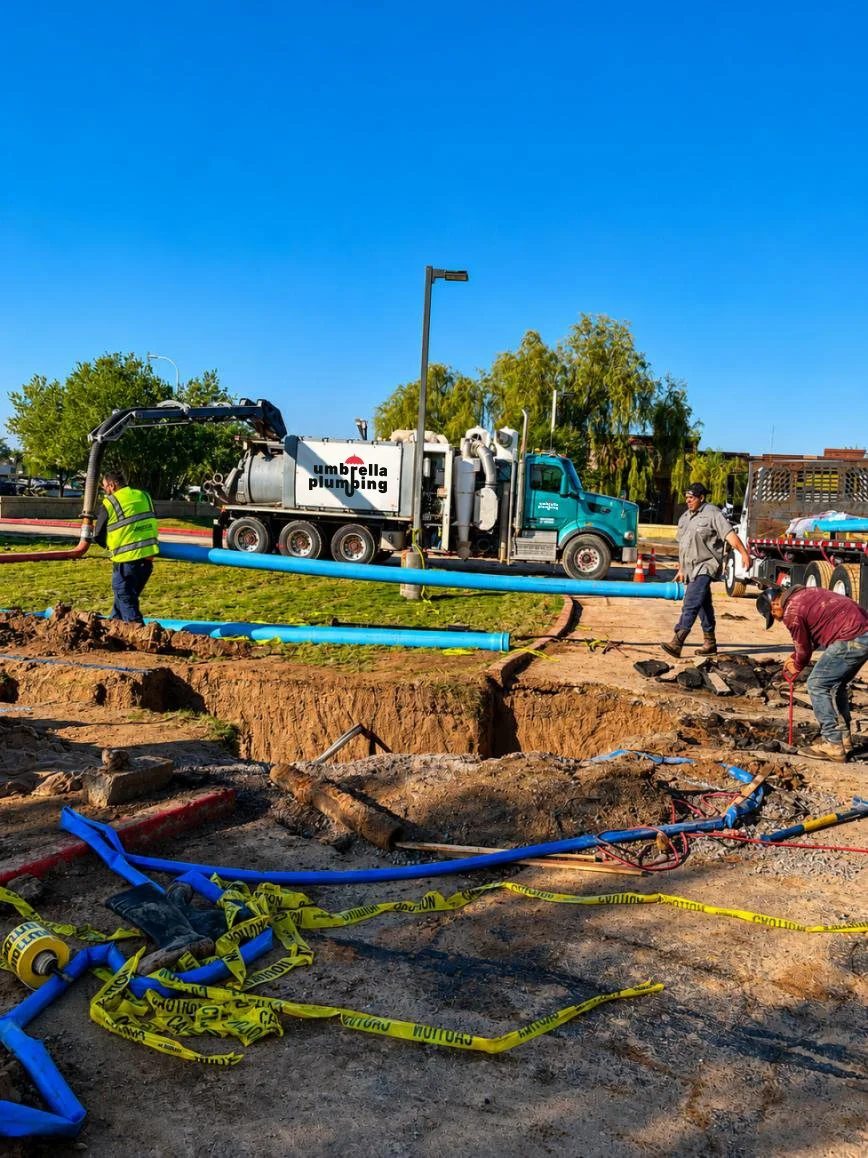
A homeowner called us once at almost midnight. A supply line under the kitchen sink had let go and water was coming out fast enough that she described it as a sound she had never heard in her own house before. She did not know where the main shut off was. By the time we walked her through finding it on the phone, water had already reached the hallway.
That call sticks with us because it was avoidable in one specific way. Not the pipe failure itself, those happen, but the panic and the extra damage that came from not knowing where the shut off valve was or what to do in the first sixty seconds.
The First Thing to Do Is Always the Same
Whatever the emergency is, a burst pipe, a water heater that is leaking, a toilet overflowing that will not stop, the first move is shutting off water to the source. Knowing where that valve is before you need it matters more than almost anything else in this article.
Every home has a main shut off valve, usually near where the water line enters the house, often in the garage, a utility closet, or outside near the foundation. Most fixtures also have their own shut off, a small valve under the sink or behind the toilet, which lets you stop water to one fixture without killing it to the whole house.
If you have never located your main shut off, do it this week. Not during an emergency. Walk through your house now, find it, and make sure it actually turns. Valves that have not been touched in years sometimes do not close all the way, which is its own problem worth knowing about ahead of time.
A Burst or Leaking Supply Line
This is the most common true emergency we get called for. A flexible supply line under a sink or behind a toilet fails, or a rigid line develops a crack, and water starts moving fast.
Shut off the fixture valve first if you can reach it safely. If the leak is bad enough that you cannot get to it, or if water is coming from somewhere you cannot identify quickly, go straight to the main shut off. Stopping the water is the priority. Figuring out exactly where it came from can happen after.
Once the water is off, move anything valuable out of the area if it is safe to do so, and start drying what you can. The faster standing water gets addressed, the less likely you are dealing with mold or warped flooring on top of the plumbing repair.
A Water Heater That Is Leaking or Making Unusual Noises
A water heater leaking from the bottom or the relief valve is usually nearing the end of its life, and in some cases the tank itself has failed. Shut off the water supply to the unit using the valve on the cold water line feeding it, and if it is a gas unit, you can also turn the gas control to the pilot or off position.
A water heater making loud popping or rumbling noises that are new is a sign of sediment buildup, common in Chandler given how hard our water is, and it is worth having looked at before it becomes a leak rather than after.
A Toilet That Will Not Stop Running or Overflowing
An overflowing toilet is more of an urgent inconvenience than a true emergency in most cases, but it needs fast action to avoid water damage. Lift the lid off the tank and push the flapper down manually to stop water from continuing to flow into the bowl. If that does not work, turn the shut off valve behind the toilet, which is usually a small oval handle low on the wall.
If the toilet is overflowing because something is blocking it rather than a running tank issue, stop using it entirely until a plumber can look at it. Repeated flushing to try to clear it usually makes the situation worse.
A Sewage Backup
This is the one that needs the most caution. If sewage is backing up into a tub, shower, or floor drain, stop using all water in the house immediately, including toilets, sinks, and any appliance that drains. Every fixture you run adds more water trying to push through a blocked line.
Sewage backups are also a health concern, not just a plumbing one. Keep people and pets away from the affected area until it has been cleaned and the underlying blockage has been cleared. This is not a situation to manage alone.
What to Have Ready Before You Call Us
When you call, it helps if you can tell us what you are dealing with, whether you have already shut off water to the area, and roughly how long the issue has been happening. None of this needs to be perfect. We just want to know what we are walking into so we can give you accurate guidance on the phone and arrive prepared.
If you are not sure whether something qualifies as an emergency, call anyway. We would rather talk you through it and tell you it can wait until morning than have you make a guess that turns a small problem into a bigger one.
Why Knowing This Now Matters More Than Knowing It Later
Every emergency call we get follows the same pattern. The damage that happens in the first few minutes, before anyone calls a plumber, is almost always more than the damage caused by the original failure itself. A pipe bursting is a repair. A pipe bursting and running for twenty minutes because nobody knew where the shut off was is a repair plus flooring, drywall, and sometimes mold remediation.
The few minutes it takes to locate your main shut off valve today could be the difference between a straightforward fix and a much larger one.
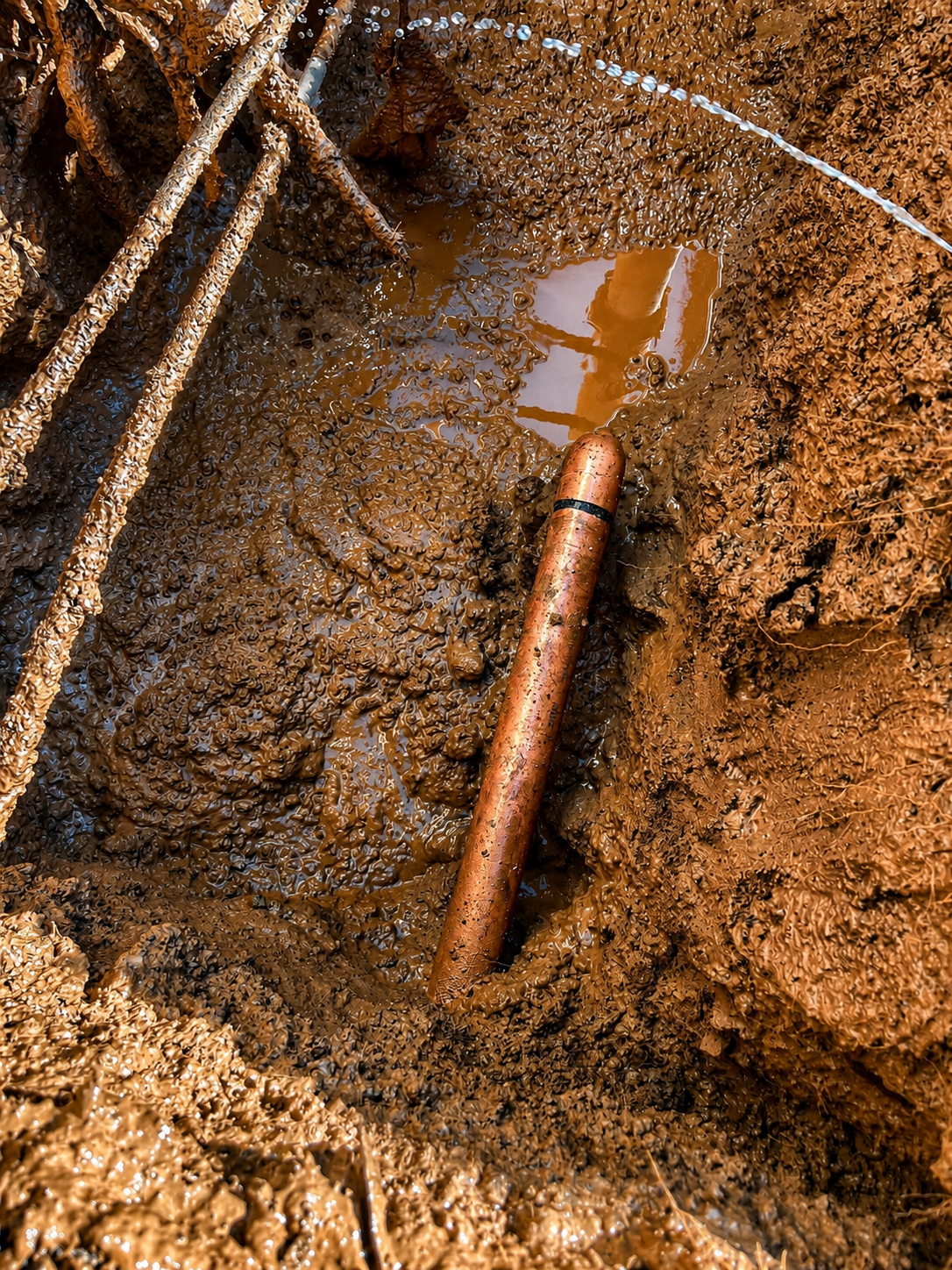
We Are Here When You Need Us
Plumbing emergencies do not wait for business hours, and neither do we. If something is happening at your home right now, call. If you want to walk through where your shut off valves are before anything goes wrong, we are happy to help with that too.
Call us at 480-869-6952 or reach out online. We serve Chandler and we treat every call, big or small, the same way: honestly and quickly.