Your Dishes Are Spotted, Your Skin Feels Off, and Your Pipes Are Slowly Paying the Price. Here Is Why.
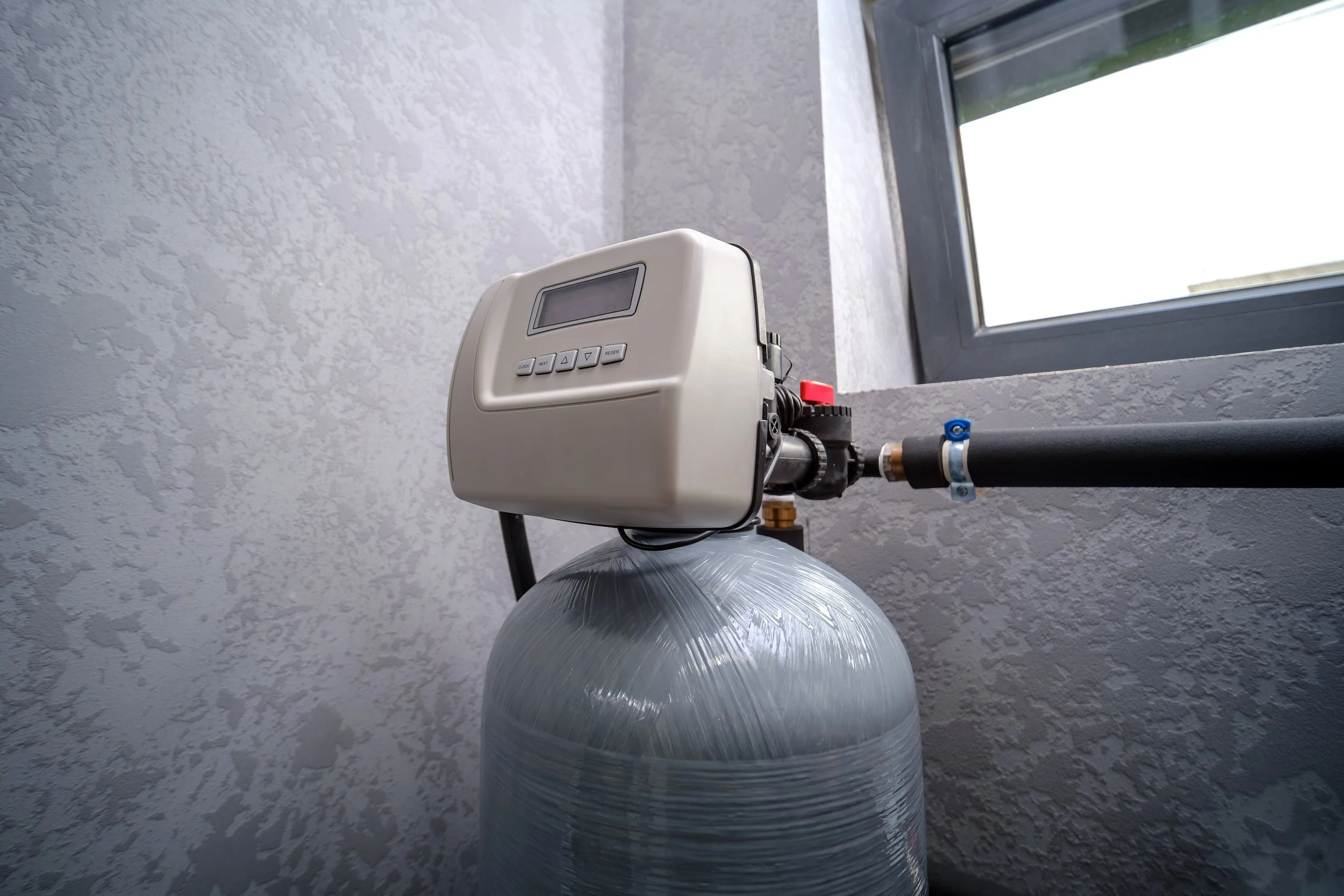
A customer we installed a water softener for about three years ago called us recently for an unrelated repair. While we were there she mentioned, almost casually, that she had not had to replace a showerhead since the softener went in. Before, she said, she was pulling them off and soaking them in vinegar every couple of months just to keep decent pressure. Now she does not think about it.
That is the kind of thing people notice after. Before the softener goes in, most homeowners in Chandler do not connect the showerhead buildup to the water itself. They think it is a cleaning problem or a cheap fixture problem. It is a water problem.
What Hard Water Is and Why Chandler Has So Much of It
Water picks up minerals as it moves through the ground. Calcium and magnesium are the main ones, and both are present in significant concentrations in the water supply serving Chandler and most of the Phoenix metro area. The combination of surface water and local groundwater that comes out of the tap here consistently tests in the very hard range, typically between 200 and 350 milligrams per liter. The threshold for very hard is 180. Most of the country sits well below that.
The minerals themselves are not a health issue. What they do to every surface, pipe, and appliance they run through over years is a different story.
What You Can See
The white crust around the base of faucets that comes back no matter how often you clean it. The spotted dishes out of the dishwasher on a clean cycle. The glass shower doors with a filmy haze that ordinary glass cleaner does not touch. The showerhead that used to put out real pressure and now sprays at an angle because half the nozzles are blocked.
These are all the same mineral deposit showing up on different surfaces. What people do not always register is that the same thing is happening inside every pipe and appliance in the house, just out of sight.
What You Cannot See
Scale builds up on the inside walls of supply pipes the same way it builds up on the outside of a faucet base. It happens slowly. Over years, the opening that water flows through gets narrower. Pressure drops. Flow rate drops. Homeowners notice it eventually but rarely connect it to the water until someone tells them.
Water heaters take the hardest hit. Sediment, mostly calcium carbonate, settles at the bottom of the tank. It sits between the burner and the water. The heater has to work harder and run longer to push heat through it. We have opened water heater tanks in Chandler homes where the sediment layer was an inch or two thick. Units at that stage are running significantly less efficiently than they were designed to, and they are usually closer to the end of their life than the age alone would suggest.
Appliances go the same way. Dishwashers, washing machines, coffee makers. Each one has valves, seals, and internal components that hard water degrades over time. A dishwasher running very hard water every day is not going to reach the same lifespan it would in a softer water area, and the performance issues usually show up before the outright failure does.
How a Water Softener Fixes This
A water softener runs the incoming water supply through a resin tank before it reaches anything in the house. The resin exchanges the calcium and magnesium ions in the water for sodium ions, which do not cause scale. What comes out of the other side is soft water, water that does not leave deposits on surfaces or build up inside pipes and appliances.
The practical changes people notice first are sensory. Soft water rinses clean. Skin does not feel like something is left on it after a shower. Hair behaves differently. Dishes come out without spots. Soap and shampoo lather the way they are supposed to instead of fighting the minerals in the water.
The changes that matter more over time are the ones happening inside the house. Pipes stay clear. The water heater hits its rated lifespan instead of falling short of it. Appliances perform longer. Fixtures stay clear. The ongoing maintenance costs that were accumulating quietly start to stop.
The Maintenance Side
A water softener uses salt to regenerate the resin tank, which is the part that actually removes the minerals. Most units go through a bag of salt roughly once a month depending on household size and water use. Keeping the salt topped off is essentially the whole maintenance requirement for most homeowners.
We do recommend having the system checked annually. Resin can degrade over time, and the settings that control regeneration frequency sometimes need adjusting if water conditions or household use changes. It is not a high-maintenance piece of equipment, but it is one that works best when someone confirms periodically that it is still dialed in correctly.
Pairing It With Reverse Osmosis for Drinking Water
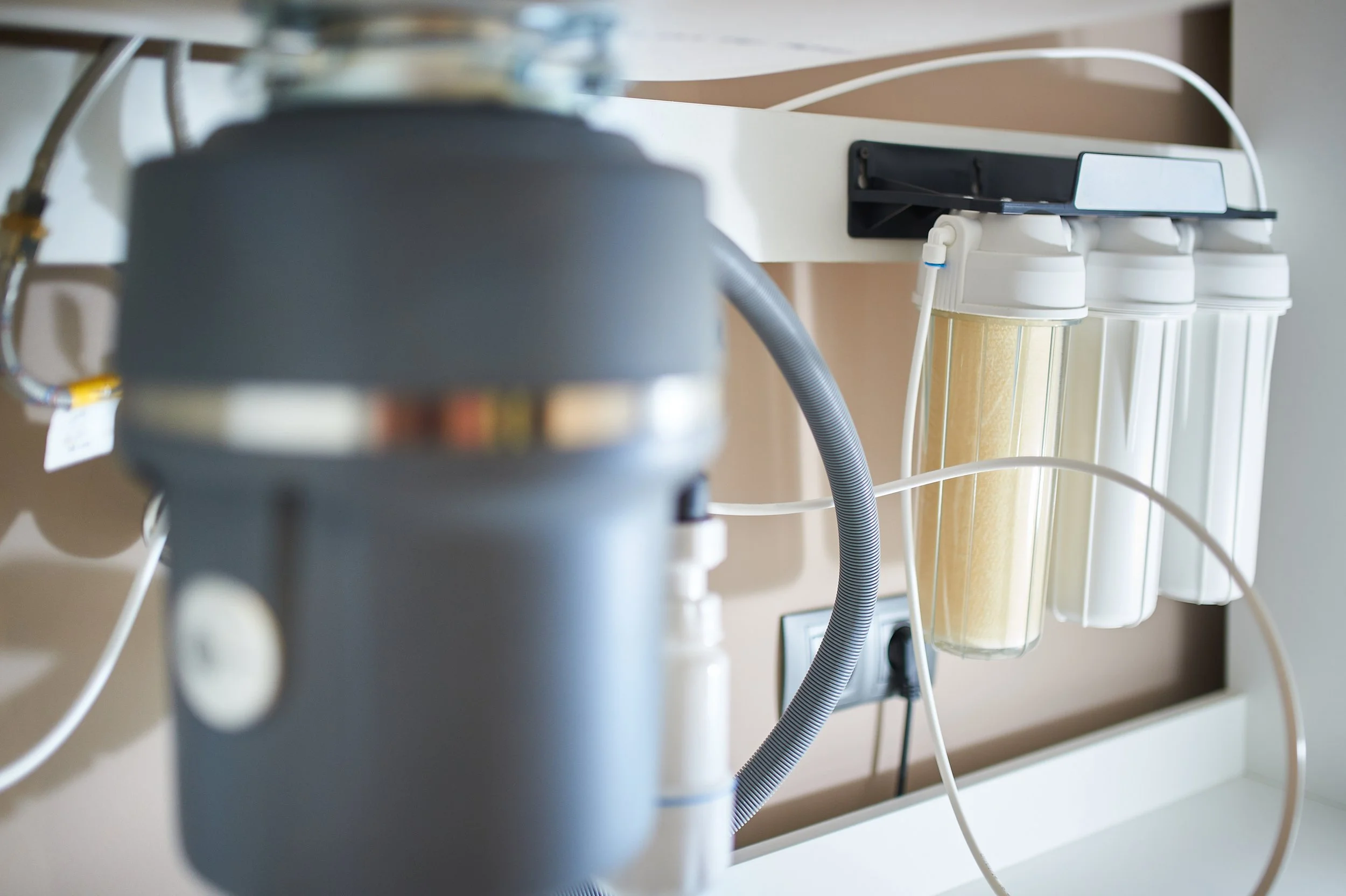
A water softener treats the water going through the whole house. What it adds in exchange for the calcium and magnesium is a small amount of sodium, which most people do not notice and which is well within normal ranges. For drinking and cooking, some homeowners also add a reverse osmosis system at the kitchen sink, which filters the water down further and removes virtually everything including the sodium the softener adds.
The combination gives you soft water protecting the plumbing and appliances throughout the house, and clean filtered water at the tap for drinking and cooking. We install both and often do them together. The cost difference between doing them at separate times versus together is meaningful enough that it is worth considering if you are already going to have us out.
We Are Currently Offering 10 Percent Off Water Filtration Systems
If you have been watching the buildup on your fixtures and wondering whether it is time to do something about the water, the answer is probably yes and now is a good time to act on it.
Call us at 480-869-6952 or schedule an installation online. We are based in Chandler and we will walk you through which system makes sense for your home and water use before anything gets scheduled.