Is the Water Coming Out of Your Tap Actually Clean?
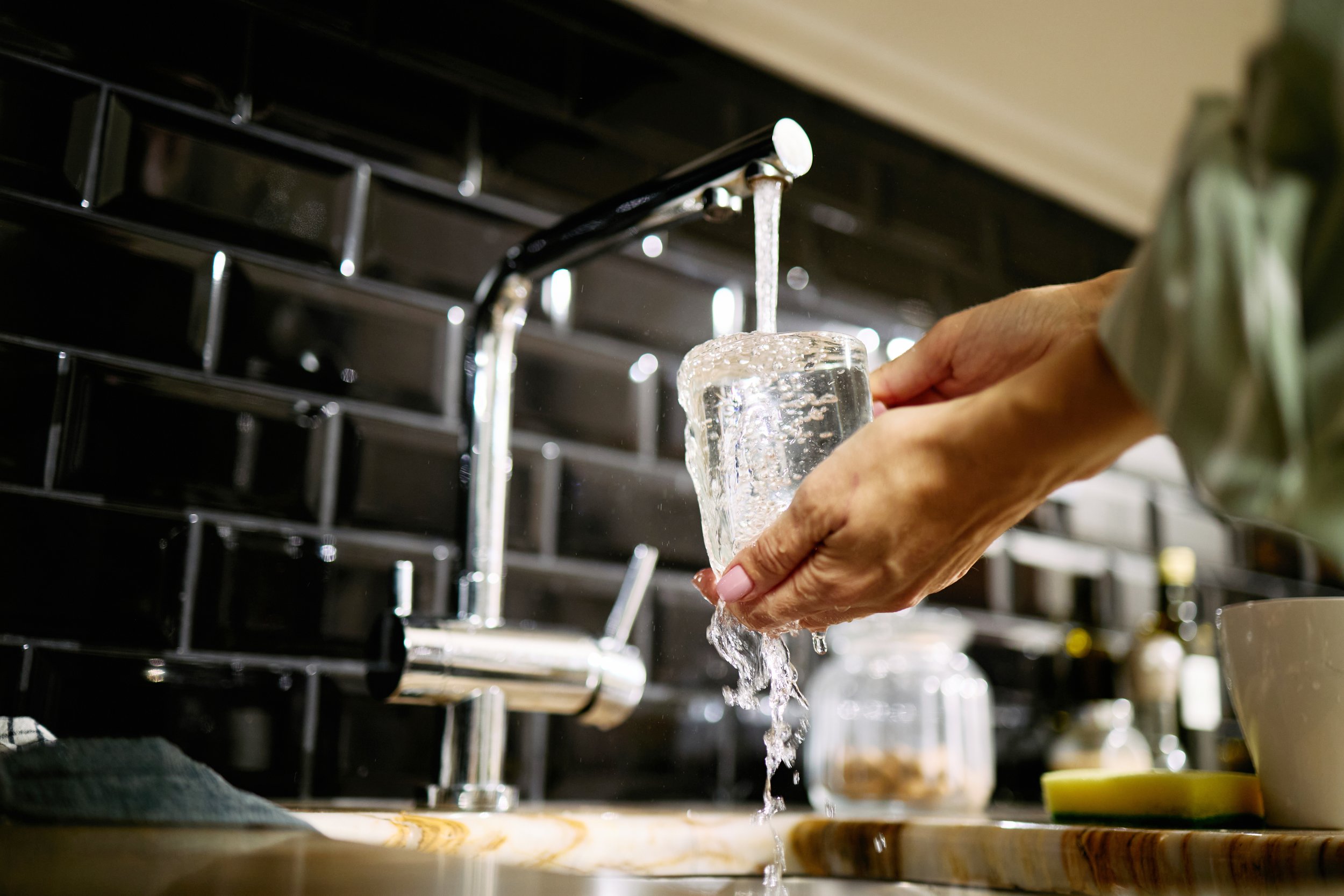
Most people in the Chandler area are on city water, which means the water coming into their homes goes through a treatment process before it gets to the tap. It is treated. It meets federal safety standards. By legal definition, it is safe to drink.
Safe is not the same thing as clean.
What comes out of a treated municipal supply still contains chlorine and chloramines added during treatment, trace minerals picked up from the distribution pipes, and dissolved solids that do not get filtered out before the water reaches your home. In the East Valley, the water also carries a significant mineral load from our naturally hard groundwater supply. You cannot taste all of it. You can taste some of it. And your body processes all of it every time you drink a glass or make a pot of coffee.
Reverse osmosis is how you get that out.
What Reverse Osmosis Actually Does
A reverse osmosis system pushes water through a semi-permeable membrane under pressure. The membrane has pores small enough that water molecules pass through but most dissolved contaminants do not.
What gets removed depends on the system, but a quality RO setup typically filters out:
What a Reverse Osmosis System Removes
Chlorine and chloramines added during municipal treatment Lead and heavy metals from aging pipes in the distribution system Nitrates from groundwater contamination Dissolved solids including calcium, magnesium, and sodium Certain pesticides and industrial chemicals Fluoride (most systems) Pharmaceutical traces present in some water supplies Sediment and particulates
What you are left with is water that tastes different. Most people notice it the first day. Water that has been through a good RO system is clean, flat, and neutral in a way that tap water almost never is. It is the difference between water that tastes like water and water that tastes like the pipes and treatment chemicals it came through.
The Standard Setup: Under the Kitchen Sink
Most residential RO systems install under the kitchen sink and connect to a dedicated faucet at the counter. The system processes water into a small storage tank so there is always a supply ready when you need it.
The whole setup takes up about the space of a large pot in the cabinet under the sink. Most homeowners barely notice it is there after the first week.
The dedicated faucet is typically a small separate tap next to your main kitchen faucet. You use it for drinking water, ice maker connection, coffee, cooking anything where water quality actually affects the outcome.
The Difference RO Makes in Your Daily Routine
Coffee and tea taste better because the water is not competing with what you are brewing Ice cubes come out clear instead of cloudy, which happens when minerals freeze into the ice Cooking with cleaner water means the flavor of food comes through more accurately You stop buying bottled water, which most families do within the first month Pets drinking filtered water show better coat health over time, according to many owners we have heard from
What About the Water Softener?
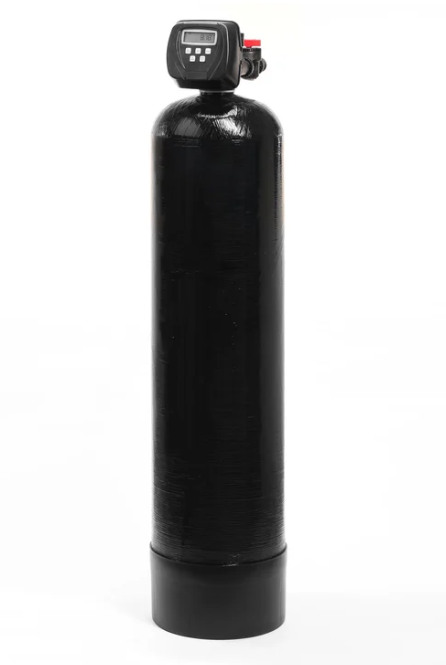
We install a lot of water softeners in this area because the hard water problem is real and it damages pipes and appliances. A water softener and a reverse osmosis system do different jobs and most households benefit from both.
The water softener treats the water going through your whole house. It removes the hardness minerals before they reach your pipes, your water heater, your appliances, and your showerheads. It protects your plumbing system.
The RO system treats the water you are drinking and cooking with. It takes filtration further than a softener does, removing contaminants a softener is not designed to address.
Running them together is the most complete solution. Softened water going into the RO system also extends the life of the RO membrane because you are not pushing mineral-heavy hard water through it constantly.
How We Install It and What to Expect
Installation is typically done in one visit. We connect the system to your cold water supply under the sink, run the dedicated drain line, and install the countertop faucet. If you want the ice maker connected as well, we can run a line to the refrigerator at the same time.
The system requires filter changes about once a year for the pre-filters, and the membrane itself typically lasts two to three years depending on how much water the household uses and the incoming water quality. We can set you up with a maintenance reminder so it does not fall through the cracks.
Quick Facts: Reverse Osmosis in the East Valley
Chandler water hardness regularly exceeds 200 mg/L, well above the national average The EPA considers water above 120 mg/L moderately hard to very hard RO systems remove 95 to 99 percent of dissolved solids in most cases Average household saves $600 to $1,200 per year by eliminating bottled water purchases System lifespan with proper maintenance is 10 to 15 years Most installations are completed in under two hours
Who Calls Us for This
We get calls from all kinds of households. Young families who want their kids drinking filtered water. Homeowners who just moved from a city with noticeably better tap water and cannot adjust to what is coming out of the tap here. People who drink a lot of water and pay attention to how it tastes. Homeowners whose water softener is already installed and want to complete the picture.
We also get calls after people visit a home that has an RO system and drink a glass of water from the kitchen. They ask about it on the way out the door.
Ready to Stop Thinking About Your Water and Just Trust It?
We are based in Chandler and serve the local community. Installation is straightforward, the difference is immediate, and we stand behind the systems we install.
Call us at 480-869-6952 orcontact us online to schedule an installation or ask questions about which system makes sense for your home.