Thinking About Replacing Your Water Heater? Here Is What We Tell Our Customers
Last month we replaced a water heater for a family in Chandler whose unit had been limping along for two years. They kept patching it. By the time they called us, it had already leaked once, the recovery time was terrible, and two people in the house couldn't shower back to back without one of them getting hit with cold water.
When we got there, the first thing they asked was whether they should just get the same thing again or finally go tankless.
That question comes up constantly. So we figured it was worth writing down what we actually tell people when they ask.
There Is No Wrong Answer, But There Is Probably a Better One for Your Home
A tank water heater is what most homes around here already have. Big cylinder in the garage, holds 40 to 80 gallons, keeps it hot all day. You use some, it heats more. Works fine until you hit the bottom of the tank, and then you're standing in a cold shower waiting for it to catch up.
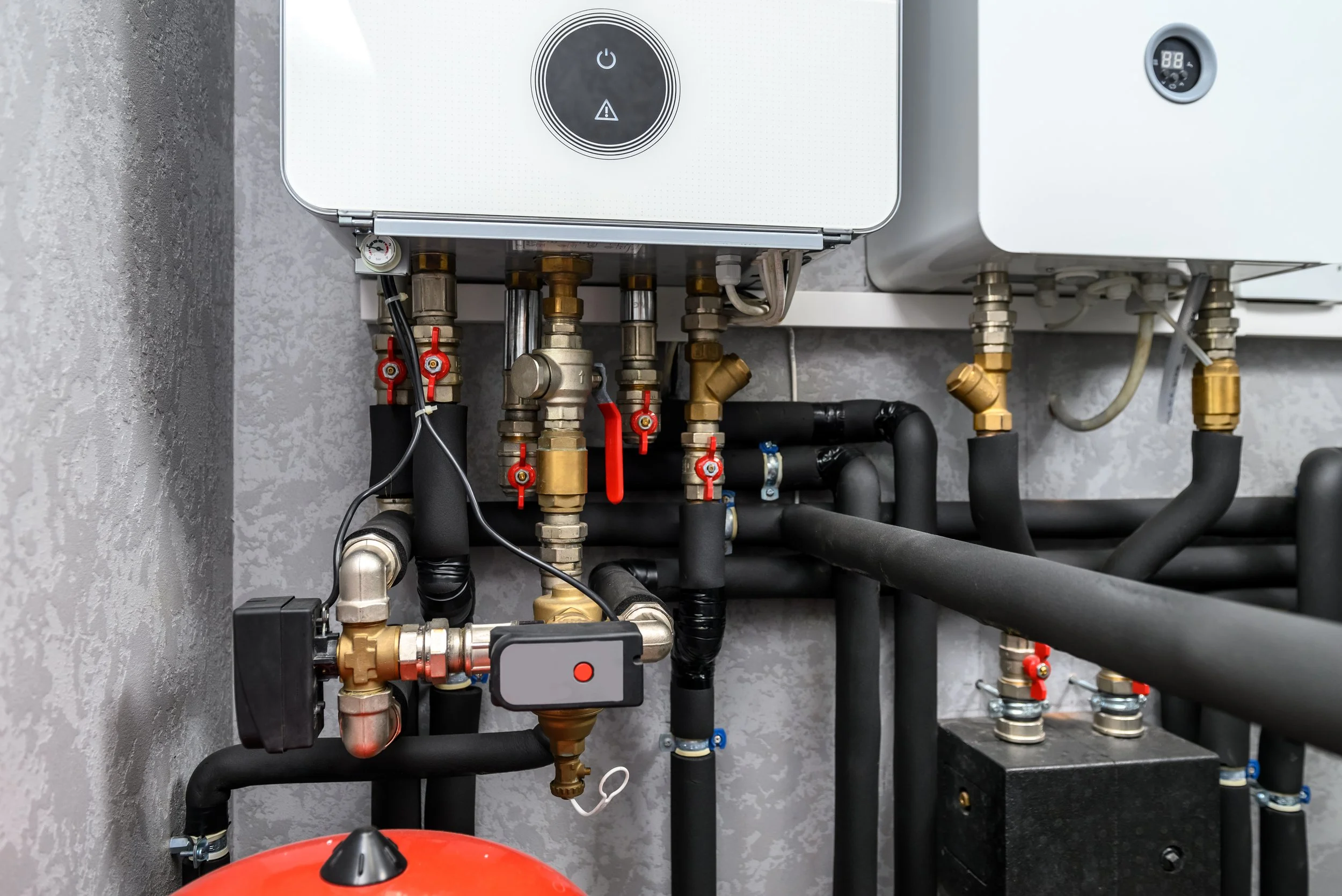
A tankless unit skips the storage part entirely. It's mounted on the wall, does nothing while you're not using it, and kicks on the second you open a hot water tap. Water goes in cold, comes out hot, shuts off when you're done. No tank, no standby heating, no cold showers because your teenager used all the hot water before you got up.
That's the basic difference. But the details matter a lot depending on your situation.
The Family With Four People and One Morning Rush
We do a lot of tankless installs for households where running out of hot water is a regular complaint. Four people, one bathroom, everybody needs to be somewhere by 7:30. With a tank, somebody loses. With a tankless unit sized right for the house, everyone gets hot water and nobody has to time their shower around anyone else.
The efficiency piece is real too. Your tank heater is running all night to keep water hot even when you're asleep. Tankless units only fire when a tap is open. The Department of Energy puts the savings in the range of 24 to 34 percent for average households. We hear from customers after a full billing cycle and a lot of them notice it right away on their APS bill.
Tankless units also tend to last longer, closer to 15 to 20 years compared to 8 to 12 for a standard tank. We've serviced units well past their expected age that were still running fine because the homeowner kept up with the maintenance.
The Part That Catches People Off Guard: Maintenance Is Not Optional
We have to talk about this because we've seen it go badly enough times that we bring it up on every tankless install we do.
Tankless water heaters need to be descaled every year. Not every few years. Every year. In Chandler and most of the East Valley, the water is hard, meaning it carries a lot of calcium and minerals. That stuff builds up inside the heat exchanger, slowly narrows the passages, and eventually kills the unit from the inside out.
We went out to a home in Gilbert not long ago where the tankless unit had failed at around 9 years old. Should have lasted at least 15. Nobody had ever descaled it. The homeowner didn't even know it needed to be done. The installer never mentioned it.
That's money left on the table, and it's avoidable.
If you're planning to go tankless, you need to build annual service into the plan. We offer maintenance plans that cover exactly this so it doesn't fall through the cracks. A unit that gets serviced every year will run the distance. One that doesn't is on borrowed time from pretty early on.
Tank heaters need maintenance too, annual flushing helps clear out sediment. But the stakes are different. Skip a year on a tank and it might shave some time off the lifespan. Skip it repeatedly on a tankless and you're looking at a much earlier failure than you paid for.
What About the Cost?
Tank replacements cost less upfront. That's just true. The unit is cheaper and the install is usually more straightforward.
Tankless units run higher. Sometimes the install also needs extra work, like upsizing a gas line or adding a dedicated circuit. Not every home needs those things and we always check before we quote anything, but it's something to go in with eyes open about.
Where tankless catches up is over time. Lower energy costs every month, fewer replacements over the years, and if you factor in the $500 we're currently taking off tankless installation, the gap shrinks quite a bit.
If cash is tight right now, a tank replacement is a perfectly solid choice. It'll work well and serve your family for the next decade. We're not going to talk you into something that doesn't fit your budget. But if you can swing the tankless, most people we talk to are glad they went that direction.
One More Practical Thing: Space
A 50-gallon tank is a big piece of equipment. Tankless units mount flat on the wall and are about the size of a large backpack. If your garage is already packed or your utility space is tight, that's worth thinking about.
If Your Water Heater Is Already Showing Signs, Don't Wait
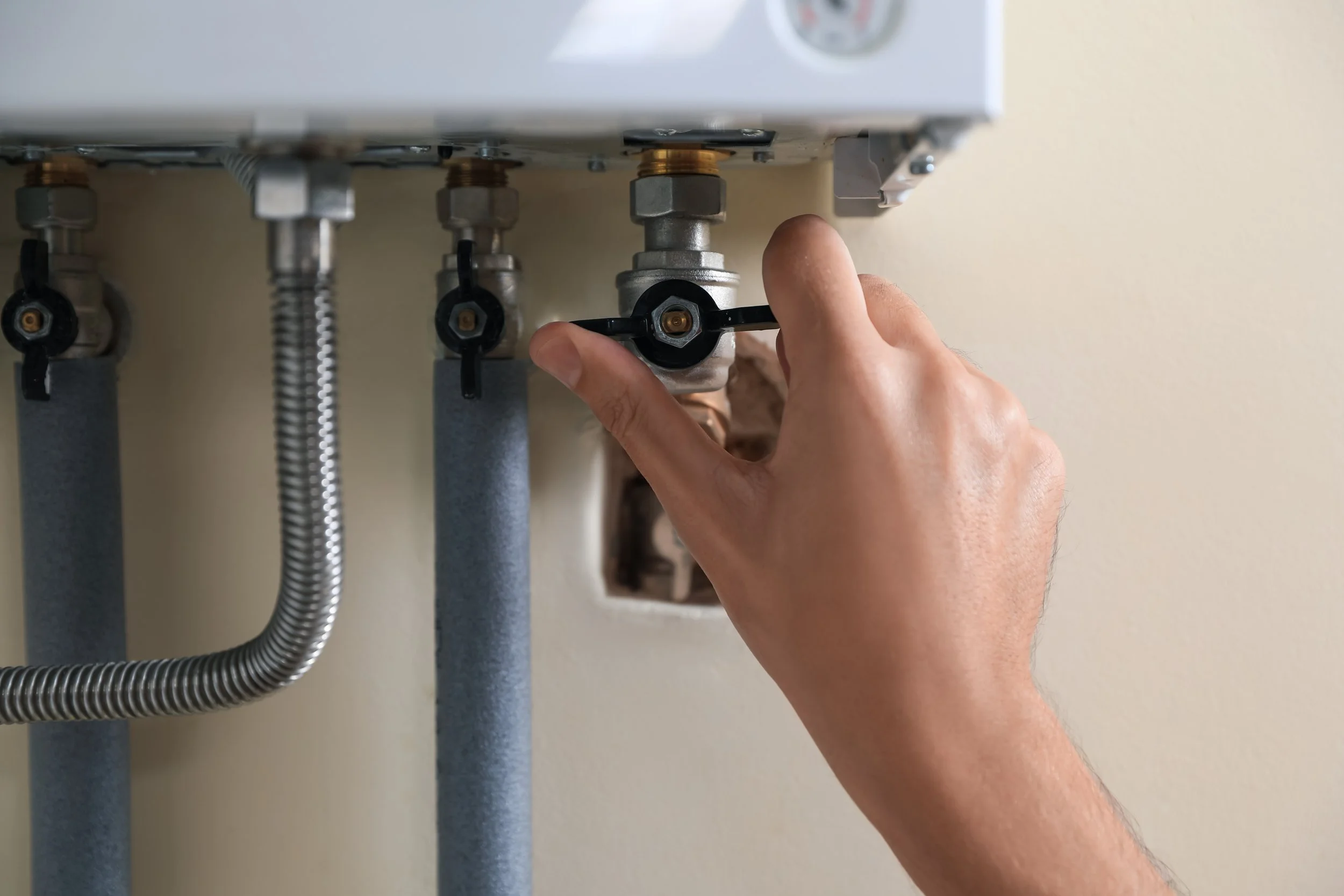
Rumbling or popping sounds when it's heating up, water that looks slightly rust-colored, a unit that takes forever to recover, a noticeable drop in how long the hot water actually lasts. Any of those are signs things are heading in the wrong direction.
The family we mentioned at the start, they would have saved themselves a lot of headaches and cold showers if they'd called a couple years earlier. Water heaters rarely get better on their own.
We'll come out, take a look at what you have, and walk you through the options honestly. No pressure, no sales pitch. We install and service both and we'll tell you what we'd actually do if it were our house.
Call us at 480-869-6952 or schedule online. We're based in Chandler and cover the surrounding East Valley area.