What Is Hydrojetting and Why Are More Homeowners Asking for It by Name?
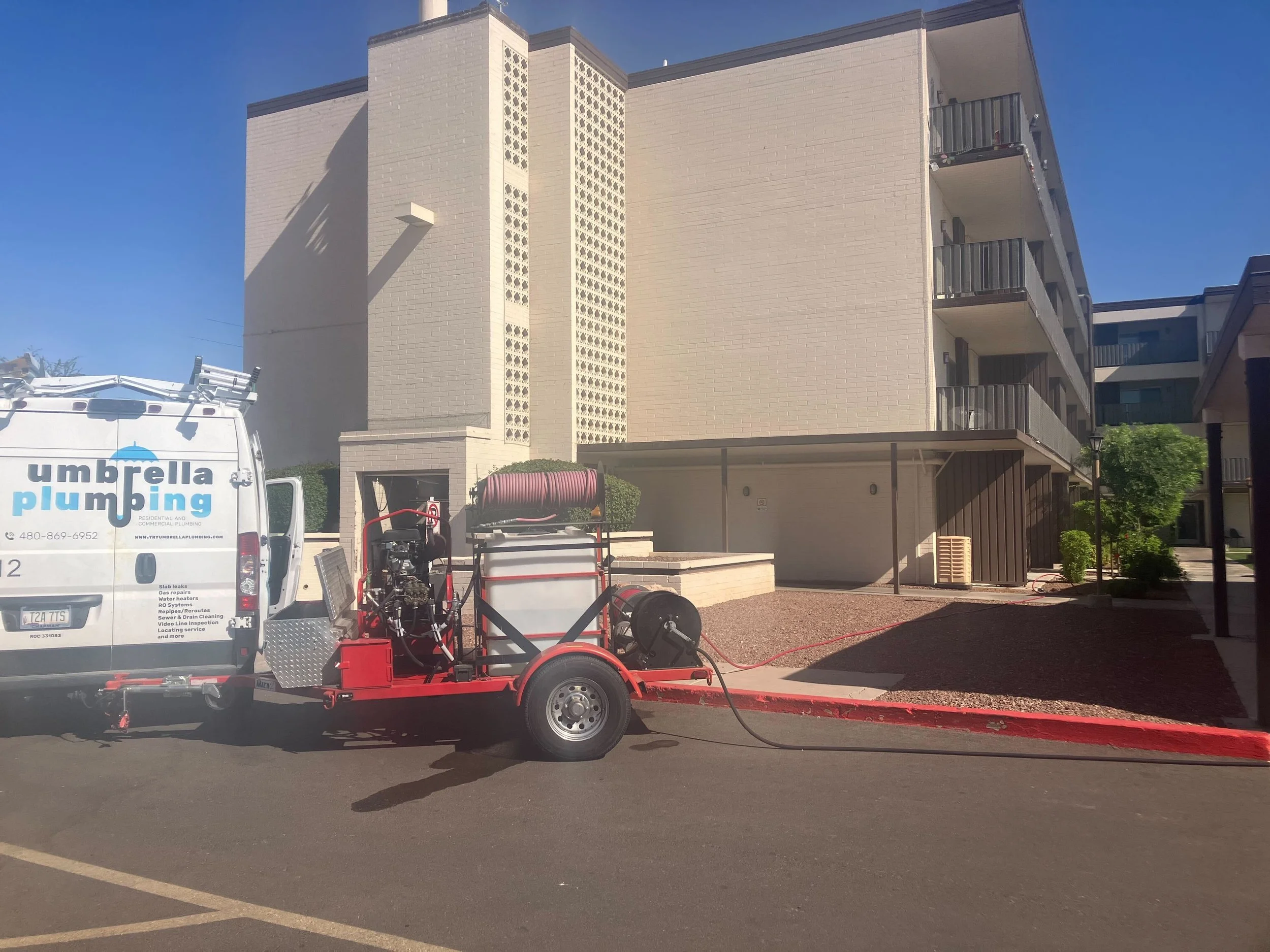
A few years ago, almost nobody called us and asked specifically for hydrojetting. They called because a drain was slow or a line was backed up, and we would assess the situation and recommend it when it was the right tool.
Lately that has changed. We get calls regularly from homeowners and property managers who already know what they want. They have heard about it from a neighbor, or a contractor mentioned it, or they looked it up after dealing with a drain problem that kept coming back. They are not calling to ask what is wrong. They are calling because they already have a sense that a standard drain cleaning is not going to be enough.
If you are in that same spot and want to understand what hydrojetting actually is and whether it is the right call for your situation, this is for you.
The Honest Version of What Is Living Inside Your Pipes
Before getting into what hydrojetting does, it helps to understand what it is working against.
Every drain in your home carries waste, water, grease, soap, hair, food particles, and minerals out of the house. Over years of use, that material does not all make it out cleanly. Grease coats the inside walls of kitchen drain lines and hardens. Soap scum and hair collect in bathroom pipes. Mineral scale, especially in the East Valley where our water is loaded with calcium, builds up on pipe walls the same way it builds up on your showerhead.
None of this happens overnight. It is a slow process. The pipe works fine, then it works a little slower, then it needs to be cleared, then it needs to be cleared again three months later.
What most people do not realize is that a standard drain snake only punches a path through whatever is blocking the pipe. The buildup that coats the walls on all sides? The snake barely touches it. The drain flows again, the debris that was coating the walls keeps collecting new material, and the cycle repeats.
What Hydrojetting Actually Does
A hydrojetting machine pushes water through a specialized nozzle at pressures between 1,500 and 4,000 PSI depending on what the pipe situation calls for. The nozzle is not just pointed forward. It sprays in multiple directions simultaneously, including backward at an angle, so as it moves through the pipe it is hitting the walls from every direction at once.
The effect is that material gets stripped off the pipe walls, not just pushed aside. Grease that has been hardening in a kitchen drain line for years comes off. Mineral scale gets blasted loose. Root intrusions that have worked their way into a sewer line get cut back. All of it gets flushed down and out of the system.
What you are left with is a pipe that is as close to clean as it is going to get without being replaced. Not just a hole punched through a blockage, but actual walls cleared of everything that has been accumulating on them.
How We Know What We Are Dealing With Before We Start
We do not show up, hook up the machine, and start jetting without knowing what is in the pipe. Every hydrojetting job we do starts with a camera inspection.
A small camera goes through the line and shows us exactly what we are working with. Where the buildup is concentrated. Whether roots have gotten in and how extensive they are. Whether the pipe has any structural damage, cracks, or sections that have shifted. Whether the problem is localized near the fixture or runs the length of the line.
That inspection matters for a few reasons. It tells us how much pressure to use and what nozzle configuration makes the most sense for the pipe. It also tells us whether hydrojetting is the right call at all. Pipes that are already significantly cracked or have sections that have collapsed are not good candidates for high-pressure jetting. If a pipe is in that kind of condition, we will tell you what actually needs to happen before we run a machine through it.
No surprises. You see what we see before anything starts.
Who Calls Us for Hydrojetting
Homeowners with kitchen drain problems. Grease is the main culprit in kitchen lines and it responds exceptionally well to hydrojetting. If your kitchen drain has been slow for months or you have had it snaked and it came back, the grease buildup was never cleared.
Homeowners dealing with main line issues. When backups are happening across multiple drains, the problem is usually in the main sewer line. Tree root intrusion is very common in the East Valley, and hydrojetting is one of the most effective ways to clear roots and restore flow in a main line.
People buying or selling a home. A hydrojetting service before a home goes on the market, or before closing on a purchase, gives everyone a clean baseline. The pipes get fully cleared and inspected, and there are no surprises about drain performance waiting for the new owner.
Property managers and landlords. Multi-unit buildings with shared drain lines accumulate buildup faster than single-family homes because more waste is moving through the same pipes every day. Scheduling hydrojetting on a regular maintenance cycle is significantly less disruptive and expensive than responding to emergency backups.
Restaurant and commercial kitchen operators. Commercial kitchen drain lines deal with volumes of grease that residential pipes never see. A restaurant that does not hydrojet its lines on a regular schedule is not a matter of if it backs up but when. We work with commercial customers on maintenance plans so it gets handled on a schedule rather than in the middle of a dinner rush.
How Long Does It Last?
This is one of the most common questions we get. The honest answer is that it depends on the pipe, what is in it, and what is going down it going forward.
For a residential kitchen drain in a home where grease management is reasonable, a hydrojetting job can keep the line clear for several years. For a main sewer line with active root growth nearby, roots will eventually start working their way back in and annual maintenance is not an unreasonable expectation.
The difference from snaking is meaningful. A snake gets you weeks or months before the same buildup collects again. A thorough hydrojetting job removes the material those future clogs would be building onto, which extends the time significantly.
What It Costs and Whether It Is Worth It
Hydrojetting costs more than a standard snaking job. That is straightforward.
What it is worth depends on your situation. If your drain has been cleared twice in the last year and you are in the same spot again, you have already spent money on a fix that did not fix it. Hydrojetting that line once and actually cleaning it out is a better use of money than paying for recurring band-aids.
For commercial operations or rental properties, the cost of hydrojetting on a maintenance schedule is reliably less than the cost of emergency plumbing calls, the lost business during a kitchen shutdown, or the tenant complaints and damage that come with a serious backup.
We give real pricing before anything starts. If you call us and describe the situation, we can give you a general sense of what to expect before we even come out.
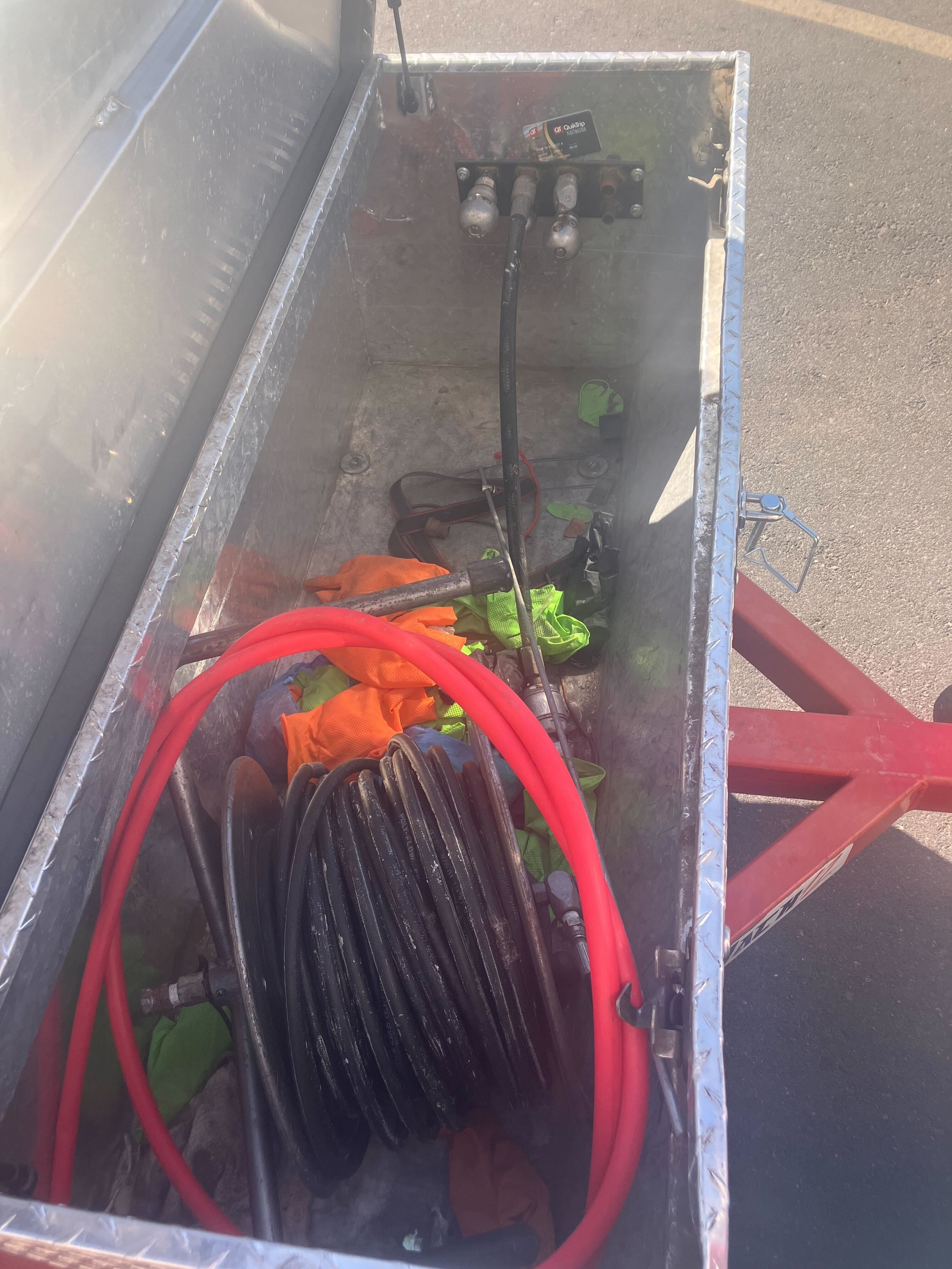
Ready to Get This Handled?
If your drains have been giving you trouble, or you manage a property and want to get ahead of issues before they become emergencies, give us a call.
We will run a camera through the line, show you exactly what is in there, and tell you honestly whether hydrojetting is the right move.We are currently offering 10% off drain cleaning services, which includes hydrojetting
Call us at 480-869-6952 orschedule online. We are based in Chandler and cover the surrounding East Valley.