
How to Create a Plumbing Maintenance Budget for Your Commercial Property
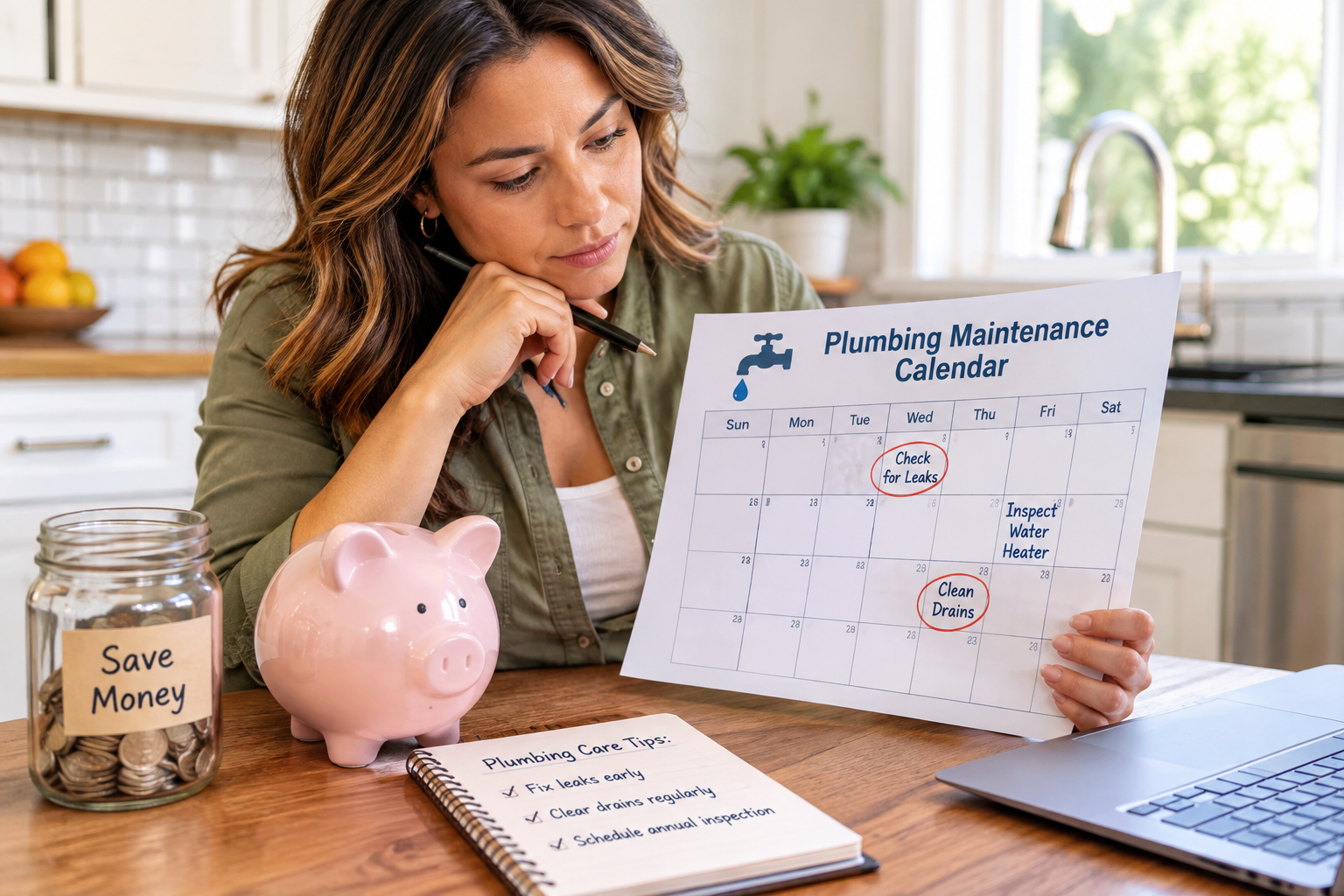
A plumbing maintenance budget is a spending plan for inspections, servicing, repairs, and future replacements at your commercial property. Build it from your equipment inventory, service history, current quotes, and operational priorities—not an arbitrary allowance. The process below helps you organize those costs, protect essential maintenance funding, and prepare a clearer scope for a plumbing contractor.
What do you need before building your budget?
Start with maintenance records, utility bills, an equipment list, and a clear description of which plumbing systems your property team manages. Use a full year of records when available so your starting point reflects different operating periods. If documentation is incomplete, identify those gaps and arrange an assessment rather than treating missing expenses as zero.
Gather these materials in one shared folder:
Service records: Invoices, inspection reports, unresolved recommendations, and warranty documents.
Asset details: Equipment location, installation date if known, condition, and service instructions.
Operating information: Occupancy, opening hours, tenant needs, and planned changes in building use.
Financial records: Approved maintenance spending, actual invoices, outstanding purchase orders, and utility consumption.
Responsibility assignments: Your internal allocation of tasks and costs between ownership, property management, and tenants.
Keep water consumption alongside billing amounts. EPA recommends tracking water use and costs over time to help identify unusual consumption and potential leaks. A higher bill alone does not tell you whether usage or pricing changed.
Build your budget in eight steps
Define the plumbing portion of property maintenance.
Create a dedicated plumbing category within the overall property maintenance budget. Keep it visible alongside other building needs, such as roofing, electrical systems, HVAC, and grounds maintenance. This gives your team a specific spending plan without treating plumbing as disconnected from maintaining the property.
For planning purposes, separate routine operating maintenance from major replacement projects. Put inspections, servicing, and minor repairs in the first group; list substantial replacements separately for review with your accounting team. Track related restoration, access work, and cleanup as distinct project costs so they are not overlooked or counted twice.Inventory assets and document existing problems.
Walk the property with your maintenance lead and record fixtures, water heaters, accessible piping, drains, shutoff locations, and other plumbing equipment. Give each item or area an identifier that can also appear on service requests and invoices. Add photos and note where access requires tenant coordination.
Look and listen for dripping fixtures, continuously running toilets, unexpected discharge, and unexplained wet areas. EPA recommends routine building walkthroughs to identify these signs of water waste. Record observations without guessing at the cause, then request professional investigation where needed.Establish a realistic spending baseline.
Sort historical invoices into preventive service, corrective repairs, emergency response, and replacement work. Flag one-time projects rather than automatically repeating them in next year's maintenance allowance. Also note repairs that were recommended but never completed; excluding them would make the new budget look artificially comfortable.
Review the records by asset and location, not just by contractor. If the same restroom or drain appears repeatedly, make that a specific assessment item. Where records are missing, request a condition-based scope and current estimate. Use those findings as your provisional baseline, clearly marking assumptions that need confirmation before final approval.Rank work by consequence and urgency.
Use a written priority system so cosmetic requests do not displace essential repairs. Have the appropriate professional assess suspected safety or sanitation problems promptly rather than placing them in an ordinary backlog. For other work, document what would happen if you delayed it and who would be affected.
A practical allocation order is:Immediate response: Suspected safety concerns, active damaging leaks, or loss of essential service.
Near-term correction: Recurring faults and identified defects requiring scheduled attention.
Preventive care: Inspections and servicing supported by equipment instructions and professional recommendations.
Planned improvements: Optional upgrades with a documented operational or maintenance benefit.
For a restaurant, ask the operator which plumbing-dependent activities must remain available and when service access is possible. Build that information into scheduling decisions.
Price a property-specific maintenance schedule.
Ask local plumbers to quote the same written scope. Specify the assets, requested inspections, known problems, access arrangements, and expected reporting. Ask them to recommend service intervals based on equipment instructions, observed condition, and actual use rather than applying one schedule across the building.
Compare what each proposal includes: labor, materials, diagnostics, travel, after-hours work, reporting, and exclusions. Request clarification where wording is broad. Cost-effective plumbing starts with a suitable scope and transparent pricing, not simply the lowest initial quote. Before approving a contract, decide how additional work will be proposed and who must authorize it.Separate planned spending from contingency funding.
Build an annual worksheet with distinct lines for scheduled maintenance, known repairs, an emergency contingency, and contributions toward identified future replacements. Keep ordinary water and sewer charges visible in the broader operating budget without disguising them as contractor maintenance expenses.
Use this planning formula:
Annual plumbing funding target = scheduled maintenance + approved repairs + contingency + planned replacement contributions.
Choose the contingency through a documented review of unresolved conditions, prior unplanned expenses, and your organization's ability to fund an urgent response. Avoid presenting a generic percentage as a property-specific answer. Record the reasoning so the next reviewer can understand and update it.Assign ownership and control approvals.
Name one person to maintain the budget and another authorized contact for urgent decisions. Set your own approval limits, purchase-order process, and escalation procedure. Give staff a clear way to report problems, including the location, time observed, symptoms, and photos when safe to obtain. Review committed costs as well as paid invoices before approving further spending.Review performance and update the forecast.
Schedule a monthly review of spending, open work orders, repeat faults, and upcoming service. Compare water consumption with expected operating conditions, including occupancy and seasonal uses. EPA recommends reviewing meter readings and bills for unexpected increases that could indicate a leak.
At each review, update the expected year-end total rather than only recording last month's invoices. Explain significant variances and move approved work into realistic service windows. Before renewing the annual budget, reassess unresolved problems and replacement plans. Keep a short decision log so future managers can see why spending priorities changed.
What should you do when costs exceed the plan?
Identify the cause before cutting scheduled work. Separate a one-time incident from an incomplete original scope, repeated repairs, or a change in property use. Then ask the contractor to explain the available options, immediate needs, and consequences of postponement.
Use a short corrective review:
Confirm the variance: Compare the invoice with the authorized scope and investigate differences.
Reassess priorities: Protect urgent work while reviewing genuinely deferrable improvements.
Investigate recurring faults: Request a diagnosis and compare repair and replacement proposals where appropriate.
Revise the forecast: Show the funding gap and seek approval rather than hiding it in another category.
For unexplained consumption, consider whether better monitoring would help the investigation. EPA notes that leak-detection and flow-monitoring devices can identify unusual water use or provide alerts; suitability depends on the application.
Turn your budget into a service plan with Umbrella Plumbing
Umbrella Plumbing lists commercial maintenance, repairs, system upgrades, and installations among its services for businesses in Chandler, Arizona. Those services provide a starting point for discussing the work identified in your property assessment and budget. Confirm availability, scope, and pricing directly before committing funds.
Bring your inventory, service history, recurring problems, and funding priorities to that discussion. Ask for an itemized proposal distinguishing immediate repairs from scheduled maintenance and longer-term projects. Request documentation that your team can attach to the budget worksheet after service.
When choosing a provider, look beyond a phrase like “the trusted name everyone calls.” Ask how recommendations will be explained, additional work approved, and completed work documented. Contact Umbrella Plumbing to discuss your commercial property's needs and request a scope you can review against your maintenance budget.
