
How a Faulty Pressure Regulator Can Affect Your Plumbing System
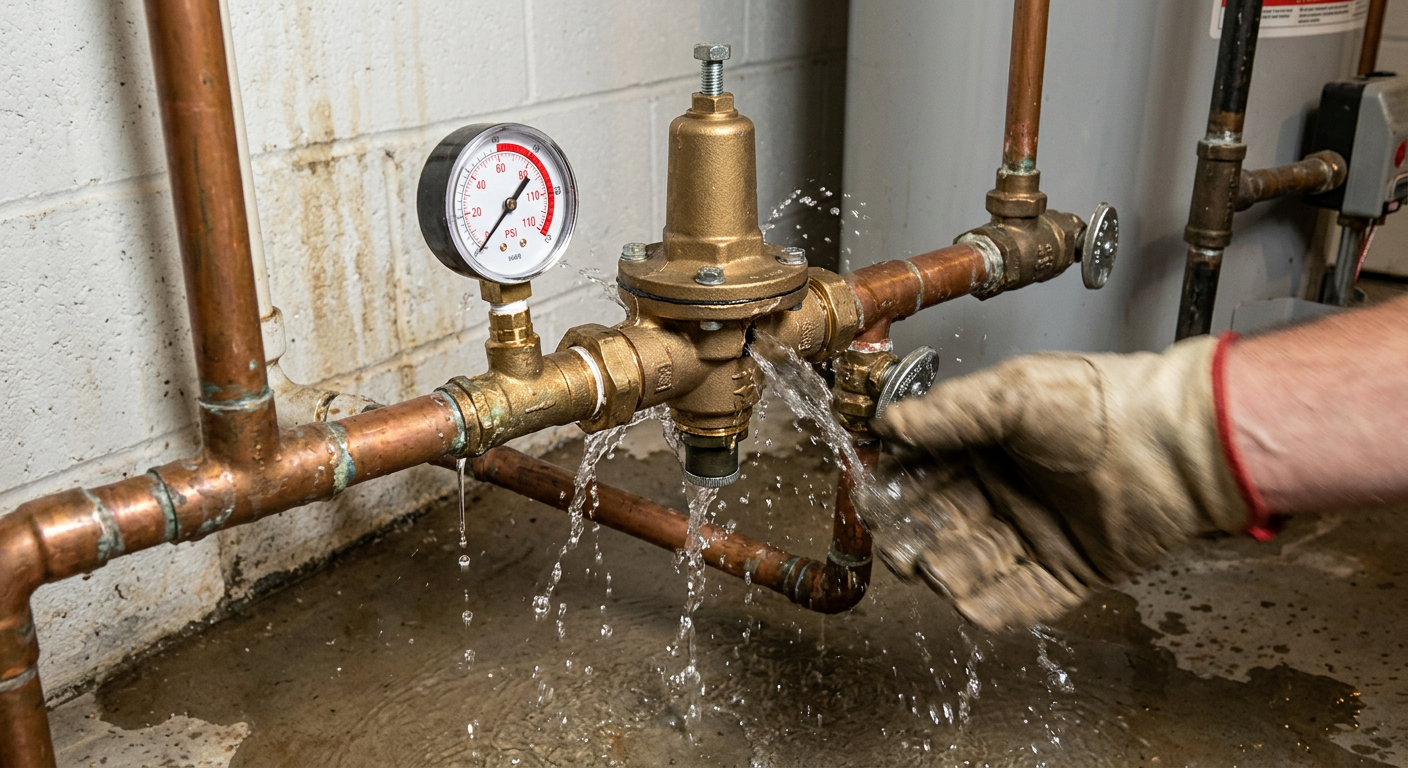
A faulty water pressure regulator can expose a commercial building to excessive pressure, restrict water delivery, or create inconsistent performance across fixtures. For multifamily properties and restaurants, those problems can turn into leaks, equipment trouble, and interruptions to daily operations. Understanding the warning signs helps property managers arrange targeted testing instead of repeatedly repairing symptoms.
How does a faulty pressure regulator affect a commercial plumbing system?
A pressure regulator, also called a pressure-reducing valve, lowers incoming supply pressure to a controlled downstream level. When it malfunctions, it may allow pressure to climb above its setting or restrict the flow available to building fixtures. A valve that is incorrectly sized for the building's demand can also produce noise or poor performance, even without a broken component.
The distinction matters: stronger pressure is not automatically better service. The regulator must accommodate the building's operating conditions, including changing demand. Selecting or replacing one based only on the connecting pipe size can overlook the flow range it actually needs to handle.
Warning Signs That Deserve Investigation
Pressure regulator issues rarely identify themselves with one unmistakable symptom. Look for patterns across the building, particularly whether problems affect several fixtures or appear during specific operating periods. Manufacturer troubleshooting guidance identifies excessive downstream pressure, reduced flow, and unusual valve noise as conditions worth investigating.
Record these observations before calling for service:
Pressure that rises during quiet periods: Note whether an installed gauge climbs when fixtures are not being used. Debris at the valve seat can prevent a tight seal.
Reduced flow across multiple fixtures: Record which areas are affected and whether the problem developed gradually. Accumulated debris can restrict a regulator's screen.
Chattering or high-pitched noise: Note whether noise occurs during low or high demand. Either pattern can help identify a sizing problem.
Recurring leaks or banging pipes: Document locations and timing. Excessive pressure can contribute to component wear and worsen hydraulic shock.
Treat this list as a reporting tool, not a diagnosis. Give local plumbers the observations rather than requesting a valve replacement before testing begins.
Excessive Pressure Can Turn Small Defects Into Repeated Repairs
Excessive pressure puts additional stress on plumbing components. Leaking connections, dripping fixtures, and equipment problems can follow when operating conditions exceed what the system should experience. Repairing the visible leak without checking pressure may leave the underlying problem unresolved.
For a building manager, the practical concern is the pattern of work orders. If several unrelated fixtures need attention, ask whether they share a pressure zone or supply path. Bring previous repair records to the service visit so the plumber can consider the system rather than treating every failure as an isolated event.
Higher pressure can also increase water flow through outlets that do not adequately limit it. That makes unnecessary consumption another possible consequence, although actual costs depend on fixture design, usage, and operating conditions. Avoid assuming that a regulator repair will deliver a particular percentage of savings.
Banging pipes deserve similar caution. Water hammer occurs when moving water stops abruptly; excessive pressure can make the resulting shock more severe. Pressure correction may be part of the solution, but noise alone does not establish that the regulator has failed.
Different Buildings Need Different Diagnostic Priorities
Multifamily Properties: Map the Pattern Across the Building
For a multifamily property, organize reports by floor, area, time, and affected fixture. Ask whether the issue appears everywhere, in one section, or only when demand increases. This creates a useful starting point for evaluating shared supply components without assuming every complaint has the same cause.
Prepare a simple marked-up building plan if necessary. Include accessible valve locations and any known pressure zones, but label uncertain information clearly. The goal is to help the technician choose representative test locations, not to direct an unverified repair.
Restaurants: Connect Symptoms to Operating Demand
For restaurants, record what is running when service deteriorates. A useful report might describe reduced flow during simultaneous kitchen activities rather than simply stating that pressure is sometimes low. A regulator that cannot accommodate peak demand requires a different assessment from one that fails to control pressure during quiet periods.
Make equipment manuals available and identify which tasks are being interrupted. Request testing that reflects the operating conditions behind the complaint. Before scheduling an interruption, agree on which kitchen activities must pause and who will confirm that equipment is ready to return to service.
How do plumbers confirm whether the regulator is faulty?
Plumbers confirm a suspected regulator problem by measuring pressure under relevant conditions and checking competing explanations. A high reading by itself does not prove valve failure: thermal expansion and debris at the valve seat can both produce elevated downstream pressure. Testing should establish when pressure changes and how the regulator responds.
A useful service discussion should cover:
Inlet and outlet measurements. Ask how the incoming supply compares with pressure downstream of the regulator. Appropriate gauges help establish the valve's operating conditions.
Readings with and without demand. Request checks during quiet periods and representative operating loads. This helps distinguish pressure control problems from flow-related performance issues.
Thermal expansion assessment. Heating water in a closed system can raise pressure. The expansion-control arrangement needs consideration before blaming the regulator.
Inspection for restrictions or seat contamination. Depending on the valve design, debris may interfere with sealing or reduce available flow. Follow the manufacturer's servicing procedure.
Do not use a water heater's temperature-and-pressure relief valve as routine expansion control, and never plug its discharge. A. O. Smith specifically warns against depending on that safety valve to handle thermal expansion. Persistent discharge requires investigation rather than an improvised workaround.
Pressure Regulator Repair Should Address the Cause
Pressure regulator repair may involve cleaning serviceable components or installing manufacturer-approved replacement parts. Replacement may be more appropriate when the valve's condition or operating range does not suit the application. The right decision depends on inspection and the manufacturer's guidance, not merely on the presence of a pressure complaint.
Adjustment also requires verification. Watts instructs users to check the pressure setting with a gauge whenever the valve is adjusted. Turning an adjustment screw without measurement does not establish that the system is operating correctly.
Before authorizing work, request a scope that explains:
What testing identified as the likely cause.
Why cleaning, component repair, or replacement is recommended.
Which building areas or restaurant activities will lose water service.
What measurements will confirm successful operation afterward.
Ask for the final readings and service details in writing. Keep them with maintenance records so future technicians have a baseline rather than starting from a vague description of previous pressure trouble.
Professional Plumbing Services You Can Rely On
Umbrella Plumbing provides commercial plumbing services in Chandler, Arizona, including maintenance, repairs, system upgrades, and installations. Its service information also covers commercial water supply and water heating systems, making those relevant areas to discuss when arranging help for pressure-related concerns.
For a multifamily building or restaurant, use the initial conversation to explain the affected areas, operating schedule, previous repairs, and any available pressure readings. Ask Umbrella Plumbing to confirm the assessment and repair scope appropriate to your equipment. Describe the symptoms plainly instead of relying on a broad label such as faulty pressure regulator plumbing.
Request a plan covering diagnosis, any necessary shutdown, the proposed correction, and verification afterward. That keeps the conversation focused on restoring dependable operation rather than replacing a part without establishing why it failed.
Make Pressure Testing Part of the Solution
A regulator problem should be confirmed, not guessed from a noisy pipe or weak fixture. Excessive pressure, restricted flow, sizing problems, and thermal expansion require different responses.
Gather your building's symptom history and contact Umbrella Plumbing to discuss an assessment. Clear observations and measured results provide a stronger basis for protecting equipment and planning repairs with less uncertainty.
