
Main Line Clog Solutions & Plumbing Maintenance Guide
What is a main line clog?
A main line clog is a blockage in the primary sewer pipe that carries wastewater away from your home. Unlike a single slow sink or shower drain, a main line problem can affect multiple fixtures at once and may lead to sewage backups, odors, and water damage if it is ignored. The good news is that there are practical main line clog solutions, from careful at-home checks to professional plumbing solutions such as camera inspections, cable machine, hydro jetting, and pipe replacement when needed.
If your toilets, tubs, sinks, or floor drains are acting strange at the same time, do not treat the problem like an ordinary clog. A main sewer line issue needs fast attention, smart diagnosis, and the right equipment to clear the blockage without damaging the plumbing system.
How do you know it is a main line clog?
A main line clog usually shows up through problems in more than one drain because the main sewer line is the shared pathway for wastewater leaving the home. If one bathroom sink is slow, the issue may be local. If the toilet bubbles when the washing machine drains or water rises in the shower after a flush, the blockage may be deeper in the system.
Look for warning signs such as:
Multiple slow drains at once: Several sinks, tubs, or toilets drain poorly at the same time.
Cross-fixture backups: Flushing a toilet causes water to come up in a tub, shower, or floor drain.
Gurgling sounds: Air trapped by a blockage may bubble through toilets or drains.
Sewage odors: Persistent foul smells can mean wastewater is not flowing properly.
Water at the cleanout: If your outdoor or basement sewer cleanout has standing water or overflow, stop using water and call a plumber.
Wet or sunken yard areas: In some cases, a damaged underground sewer line can create soggy patches outside.
A helpful at-home check is to run water from a fixture on the lowest level of the home while watching nearby drains. If water appears where it should not, or if toilets bubble during the test, shut the water off and avoid using other fixtures. This does not replace a professional diagnosis, but it can help you explain the symptoms clearly when you call for service.
Why main sewer line clogs happen
Main line blockages usually build over time, although they can feel sudden when the symptoms finally appear. Grease, soap residue, food particles, hair, wipes, and other debris can collect inside pipes until wastewater has little room to move. Even items labeled “flushable” can contribute to sewer clogs because they may not break down quickly enough in real plumbing systems.
Tree roots are another common cause, especially when sewer pipes have small cracks, loose joints, or older materials. Roots naturally seek moisture and can grow into tiny openings, then trap paper and debris as they expand. Once roots are inside the line, ordinary plunging will not solve the problem.
Pipe condition also matters. Older pipes may sag, corrode, crack, or shift because of soil movement. A low spot in the pipe, sometimes called a belly, can hold water and solids instead of allowing everything to flow smoothly. In those cases, clearing the blockage may provide temporary relief, but the same section can clog again unless the underlying pipe problem is addressed.
What should you do first when a main line clog is suspected?
If sewage is backing up or water is coming out of a cleanout, stop using all water immediately. Do not run the dishwasher, washing machine, showers, sinks, or toilets, because every gallon sent into the system can increase the backup and spread contaminated water.
Next, protect the affected area if it is safe to do so. Keep people and pets away from sewage, move valuables out of the path of water, and avoid using chemical drain cleaners. Harsh chemicals are often ineffective against main line blockages and may create extra risk for your pipes, your home, and the technician who later opens the line.
Then call a professional plumbing service. Main sewer line clogs are not the best place for trial-and-error repairs. A trained plumber can determine whether the blockage is grease, roots, collapsed pipe, foreign objects, or another issue, then choose the safest clearing method.
Professional main line clog solutions that actually target the problem
The right solution depends on the location, severity, and cause of the blockage. That is why professional diagnosis is so important. A plumber is not just trying to “make the water go down”; the goal is to restore flow while understanding whether the pipe is healthy enough to keep working.
Common professional plumbing solutions include:
Video sewer camera inspection A small camera is sent through the line to locate the clog and inspect the pipe condition. This helps identify roots, heavy buildup, cracks, offsets, bellies, or collapsed sections. It is especially useful when clogs keep coming back.
Mechanical augering or snaking A sewer machine uses a rotating cable and cutting head to break through or retrieve blockages. This can be effective for many low-to-medium severity clogs and is often the first clearing method used when the pipe is accessible.
Hydro jetting Hydro jetting uses high-pressure water to scour the inside of the pipe. It can remove stubborn grease, sludge, scale, and some root intrusion more thoroughly than basic snaking. However, the pipe should be evaluated first, because fragile or damaged lines may not be good candidates.
Root cutting and follow-up maintenance If tree roots are causing the clog, specialized cutting equipment may be used to reopen the line. A camera inspection can help determine whether the pipe also needs repair to prevent roots from returning.
Pipe repair or replacement When the sewer line is broken, badly misaligned, collapsed, or repeatedly clogging because of structural damage, clearing alone may not be enough. In those cases, replacement may be the most dependable long-term fix.
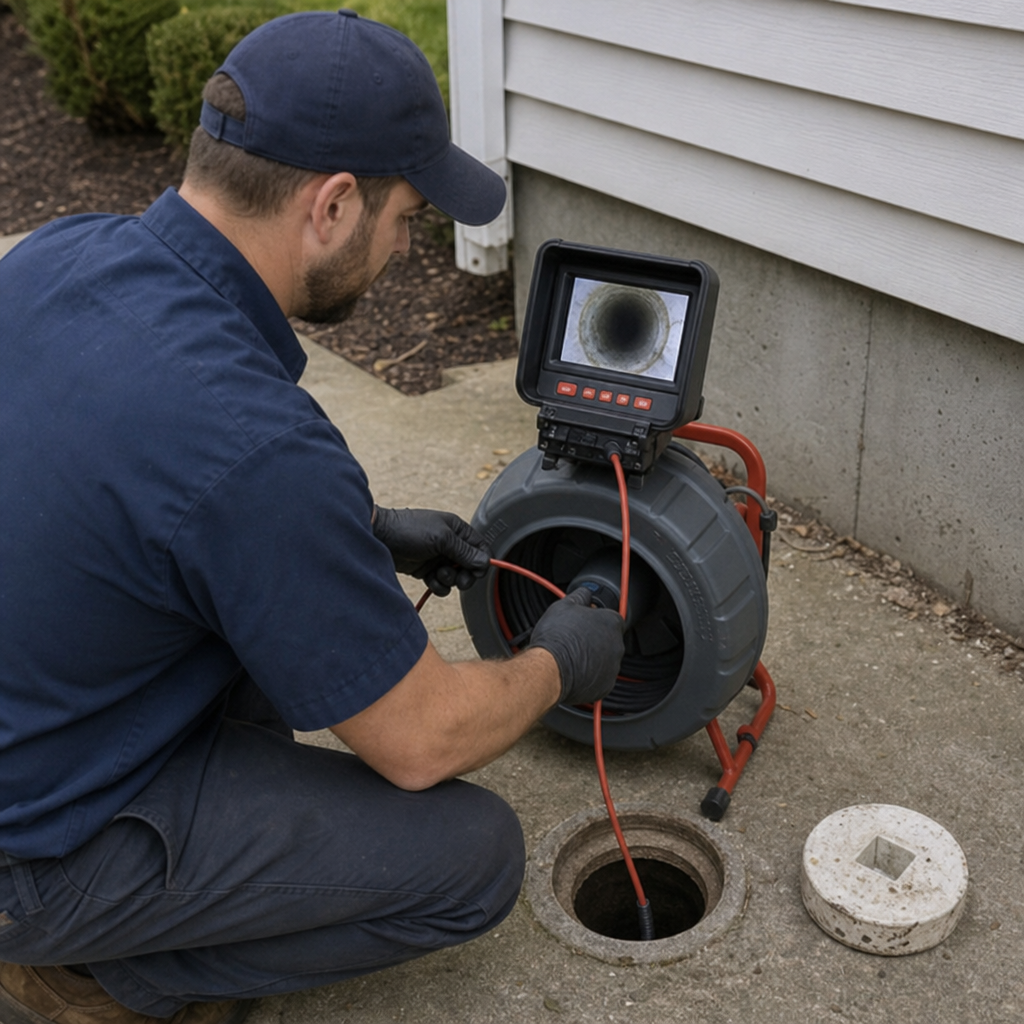
Replacement jobs are handled too, so call the service provider
Sometimes the best repair is not another cleaning. If the sewer line has collapsed, separated, severely root-damaged sections, or recurring clogs caused by pipe failure, replacement may be the smarter solution. A qualified plumbing team can evaluate the line, explain the available repair or replacement options, and help you choose the approach that fits the condition of your home’s plumbing.
Umbrella Plumbing can handle replacement jobs as well as clearing and diagnostic work. If you have been dealing with repeat backups, sewage odors, or a main line that will not stay open, call the service provider and schedule an inspection. The trusted name everyone calls- Umbrella Plumbing is ready to help you move from temporary relief to a more dependable plumbing solution.
Prevention starts with everyday plumbing maintenance
Good plumbing maintenance can reduce the chance of a main line clog and help you catch trouble before it becomes an emergency. You do not need to treat your plumbing delicately every minute, but you do need to be mindful of what enters the drains.
Use this simple prevention checklist:
Keep grease, fats, and cooking oils out of sinks.
Scrape food waste into the trash before rinsing dishes.
Avoid flushing wipes, cotton products, dental floss, paper towels, and hygiene products.
Use drain strainers in showers, tubs, and kitchen sinks.
Run plenty of water when using a garbage disposal.
Schedule professional drain or sewer inspections if clogs return or the home has older plumbing.
Ask about maintenance options if tree roots have entered the line before.
Homes with mature trees, older sewer pipes, or a history of backups benefit from a more proactive plan. A periodic camera inspection can reveal buildup, roots, or pipe defects before the line is fully blocked. Preventive care is almost always less stressful than discovering the problem during a sewage backup.
Choosing the right help matters
Main line clogs are disruptive because they affect the whole home. They can stop normal routines, create cleanup concerns, and turn small symptoms into major damage if wastewater has nowhere to go. The right plumber brings equipment, experience, and judgment, not just a bigger drain snake.
When you call for help, describe the symptoms clearly: which drains are slow, where water backs up, whether toilets gurgle, and whether the cleanout is overflowing. A good technician will use that information to decide whether to inspect, snake, jet, repair, or recommend replacement. That careful process leads to better decisions and more reliable results.
If you suspect a main sewer line problem, do not wait for the next flush or laundry cycle to make it worse. Reach out to Umbrella Plumbing for professional plumbing solutions, practical guidance, and service that addresses the real cause of the clog.
The takeaway
A main line clog is more serious than a single blocked drain because it affects the shared sewer pathway for the entire home. The clearest signs include multiple slow drains, gurgling toilets, cross-fixture backups, sewage odors, and water at the cleanout. While small drain issues may respond to basic DIY care, true main line clog solutions usually require professional equipment and diagnosis.
Act quickly, avoid chemical shortcuts, stop water use during backups, and call a trusted plumber when the symptoms point to the main sewer line. With the right clearing method, repair plan, and ongoing plumbing maintenance, you can protect your home and reduce the risk of repeat problems.
