
Water Heater Replacement Tips: Tank vs. Tankless
Essential Guide to Water Heater Replacement
A reliable water heater is easy to ignore until showers turn cold, laundry stalls, or a leaking tank threatens the floor. This guide explains how to approach water heater replacement with fewer surprises, from recognizing failure signs to comparing tank, tankless water heater, and hybrid options. You'll also learn what professional water heater installation typically includes, what costs can affect the final price, and how to prepare before installation day.
How do you know it is time to replace your water heater?
It is usually time to consider replacement when the unit is leaking, producing rusty water, making loud rumbling or popping noises, failing to keep water hot, or struggling to supply enough hot water for normal household use. A single repair may make sense for a newer unit with a simple component issue, but recurring problems often point to a bigger reliability, safety, or efficiency concern.
A leaking tank deserves quick attention because the tank itself generally cannot be repaired in a lasting way. Rust-colored water may point to corrosion inside the tank or connected plumbing. If your hot water runs out faster than it used to, the heater may be undersized, losing efficiency, or nearing the end of its useful service life.
Other warning signs are less dramatic but still important. A pilot light that keeps going out, unusual electrical issues, slow recovery after use, or water that never reaches the right temperature can all indicate that the system needs professional evaluation. Acting before a complete breakdown gives you more time to compare models, schedule installation, and avoid rushed decisions.
The real cost of replacement goes beyond the unit
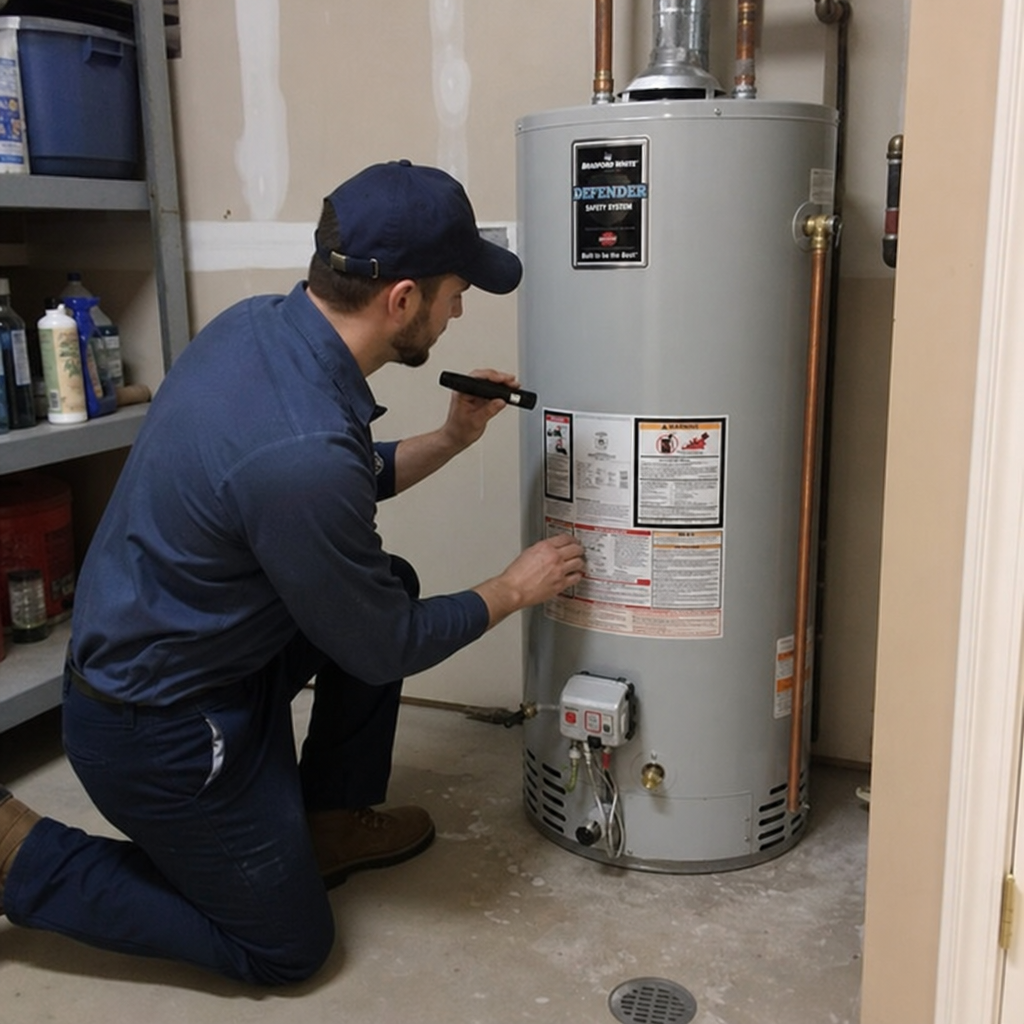
The price of water heater replacement includes more than the appliance sitting in your garage, basement, closet, or utility area. The final cost can include the water heater, labor, permit fees, removal and haul-away of the old unit, new valves, venting changes, drain pan upgrades, expansion tank requirements, electrical work, gas line adjustments, or other code-related improvements.
Basic tank water heaters may fall in the lower overall range, while more complex systems cost more because they require additional materials and labor. As a broad planning guide, a basic tank replacement may land around $600 to $1,650, depending on size, fuel type, installation conditions, and local requirements. A tankless system can cost up to $4,500 or more with professional installation, especially if the home needs upgraded venting, gas capacity, electrical service, or plumbing changes.
Hybrid or heat pump models often have a higher upfront cost, but they may offer better long-term efficiency for the right home. Some homeowners may also qualify for rebates or tax credits, depending on the equipment and available programs. Because incentives and code requirements can change, it is wise to ask your installer what applies in your area before choosing a model.
Common factors that affect cost include:
Fuel type: Gas, electric, propane, and hybrid systems have different equipment and installation needs.
Capacity: Larger households usually need greater hot water capacity or faster recovery.
Location: Tight closets, attics, basements, and hard-to-access areas can increase labor time.
Conversion work: Switching from tank to tankless or from electric to gas may require extra upgrades.
Code compliance: Permits, shutoff valves, venting, drainage, seismic strapping, and expansion control may be required depending on the home and local rules.
Old unit removal: Delivery, disposal, and haul-away are often included by professional installers, but it is still worth confirming.
The best estimate is one that separates equipment, labor, permit-related items, and optional upgrades. That clarity helps you compare quotes fairly instead of choosing the lowest number and discovering missing costs later.
Choosing between tank, tankless, and hybrid models
Water heaters are not one-size-fits-all. The right choice depends on household size, daily hot water patterns, utility setup, available space, budget, and how long you plan to stay in the home. A good water heater installation starts with matching the system to real usage, not simply replacing the old unit with the same size by default.
Traditional tank water heaters
A tank water heater stores heated water and keeps it ready for use. It is often the most familiar and straightforward option, especially when replacing a similar unit in the same location. Installation is usually simpler than a conversion, and many homes are already designed around tank-style systems.
The main limitation is capacity. Once the tank is depleted, you must wait for it to recover. This can be frustrating for larger households, back-to-back showers, or simultaneous hot water use in bathrooms, laundry, and kitchen areas.
Tankless water heater systems
A tankless water heater heats water on demand instead of storing it in a tank. This can save space and reduce standby energy loss because the system is not constantly maintaining a full tank of hot water. It can be a strong fit for homeowners who want efficient operation and a compact design.
The important detail is flow rate. A tankless unit must be sized to handle the number of fixtures that may be used at the same time. A poorly sized unit can disappoint, especially during winter when incoming water is colder or when multiple showers and appliances run together.
Hybrid and heat pump water heaters
Hybrid water heaters use heat pump technology to move heat rather than only generate it directly. They can be efficient in suitable spaces, but they need enough surrounding air volume and may not fit every location. They can also produce some noise and cooler air around the unit, which matters in small indoor areas.
For homeowners focused on long-term energy savings, a hybrid model is worth discussing. The higher initial cost should be weighed against efficiency, available incentives, space needs, and household usage.
What should professional water heater installation include?
Professional water heater installation should include safe disconnection of the old unit, proper placement and connection of the new system, code-compliant plumbing, fuel or electrical connections, venting where required, testing, cleanup, and explanation of basic operation. A qualified installer should also help with permits, inspections, and manufacturer requirements that protect warranty coverage.
Most standard tank-to-tank replacements can be completed in a few hours when the site is accessible and no major upgrades are needed. Tank-to-tankless conversions or fuel-type changes usually take longer because they may involve new venting, electrical circuits, gas line changes, condensate handling, or wall mounting. The schedule should be discussed before work begins so you know what to expect.
Professional installation matters because water heaters combine pressurized water, high temperature, electricity, gas, combustion, or exhaust venting. Mistakes can create leaks, carbon monoxide risks, fire hazards, scalding risk, or code violations. DIY work may also cause permit problems, failed inspections, or warranty issues if the manufacturer requires qualified installation.
If you want the job handled start to finish by a licensed team, we can help. The trusted name everyone calls- Umbrella Plumbing can assess your current setup, recommend the right system, and complete a code-compliant replacement. Call us to schedule your water heater replacement.
Before hiring an installer, ask practical questions:
Are permits included in the quote, and who schedules any required inspection?
Is old water heater haul-away included?
What labor warranty is provided, and what does it cover?
Are parts, valves, venting, pans, expansion tanks, or code upgrades included or separate?
Will the installer confirm the correct size for your household?
What happens if hidden issues are found after the old unit is removed?
A clear installer will welcome these questions. The goal is not only to get hot water back, but to ensure the system is safe, efficient, and acceptable under local requirements.
Preparing for installation day reduces delays
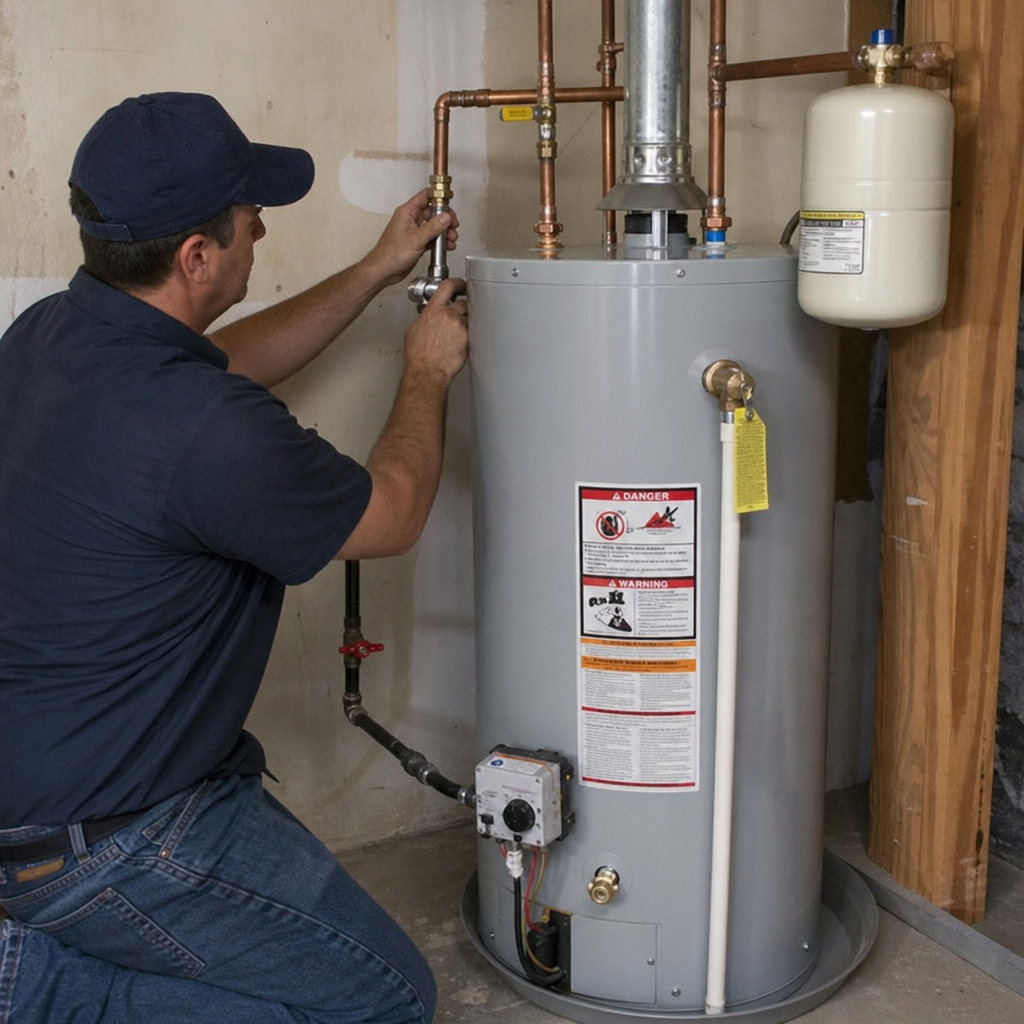
A smooth replacement starts before the installer arrives. Clear access helps the crew work safely and keeps the appointment moving. If the heater is in a garage or closet, move stored items, boxes, cleaning supplies, bikes, and anything blocking the path from the entrance to the unit.
You should also know where your main water shutoff, electrical panel, and gas shutoff are located. The installer will handle the technical work, but easy access can save time. If you live in a condo, townhome, or managed property, check whether building approval, elevator access, parking instructions, or water shutdown notices are needed.
A simple homeowner checklist:
Clear a wide path to the water heater.
Remove fragile or valuable items near the work area.
Secure pets away from the installation zone.
Ask how long hot water will be unavailable.
Confirm payment, financing, or deposit details before the appointment.
Review the quote for permits, haul-away, and possible code upgrades.
Keep an adult available to approve changes if hidden issues appear.
Hidden issues are not always avoidable. Corroded pipes, old shutoff valves, inadequate venting, cramped access, or mismatched previous work may only become visible during replacement. Planning for that possibility helps reduce frustration if the installer recommends additional work.
Financing and quote comparisons can make the decision easier
Water heater replacement is often urgent, which makes it tempting to approve the first quote quickly. If you have time, compare more than just the total price. Look closely at what each quote includes, how the installer handles permits, what warranty is offered, and whether the recommended model fits your household rather than simply matching what was there before.
Financing options may help homeowners spread out the cost, especially for higher-efficiency, tankless, or hybrid systems. Some companies may also offer price-match policies or seasonal promotions. Ask for the terms in writing so you understand interest, payment timing, eligibility, and whether any discount affects warranty coverage or installation scope.
A better quote is not always the cheapest quote. It is the one that clearly explains the equipment, labor, safety upgrades, warranty, timeline, and responsibilities. Transparency is especially valuable when a failed water heater has already disrupted your day.
When you need help choosing the right water heater or replacing an aging or failed unit, Umbrella Plumbing can help you compare your options and handle the replacement from assessment through installation. Contact our team to discuss your water heater needs and get a clear, professional quote.
Final takeaway
Replacing a water heater is part comfort decision, part safety decision, and part long-term home investment. The best approach is to recognize failure signs early, compare tank, tankless water heater, and hybrid options honestly, and choose professional water heater installation that includes permits, code compliance, and warranty protection.
If your current unit is leaking, unreliable, or no longer meeting your household's needs, start with a detailed assessment rather than a rushed replacement. The trusted name everyone calls- Umbrella Plumbing is here to help with water heater replacement, installation, and professional guidance on choosing the right system for your home.
If you are experiencing water heater problems or are ready to replace an aging unit, call Umbrella Plumbing to schedule an assessment and discuss your replacement options. Our team can help you avoid hidden pitfalls and restore dependable hot water with fewer surprises.
