
Efficient Underground Leak Detection & Repair Services
Detecting and Repairing Underground Leaks Efficiently
An underground leak can waste water, damage soil, weaken paved areas, and create plumbing problems long before you see obvious signs inside your home or business. Efficient repair starts with recognizing the warning signs early, using proper water leak detection methods, and choosing a repair approach that solves the source of the problem instead of guessing. With the right process, many leaks can be located with less disruption and repaired before they become larger, more expensive issues.
What are the signs of an underground leak?
The most common signs of an underground leak are unexplained water usage, damp or sunken areas in the yard, reduced water pressure, and the sound of running water when fixtures are off. You may also notice greener patches of grass, cracks in concrete, musty odors, or soft ground near the service line. One sign alone may not confirm a leak, but several together are a strong reason to schedule professional leak detection services.
Underground plumbing is out of sight, which means leaks often develop quietly. A small crack, loose fitting, corrosion, root intrusion, or shifting soil can allow water to escape below the surface. Over time, that water can erode the surrounding ground, create voids under walkways or driveways, and strain the rest of the plumbing system.
If your water bill rises without a clear reason, do a quick check before assuming it is a billing issue. Make sure indoor and outdoor fixtures are turned off, then look at the water meter. If the meter continues moving, there may be a hidden leak somewhere in the system.
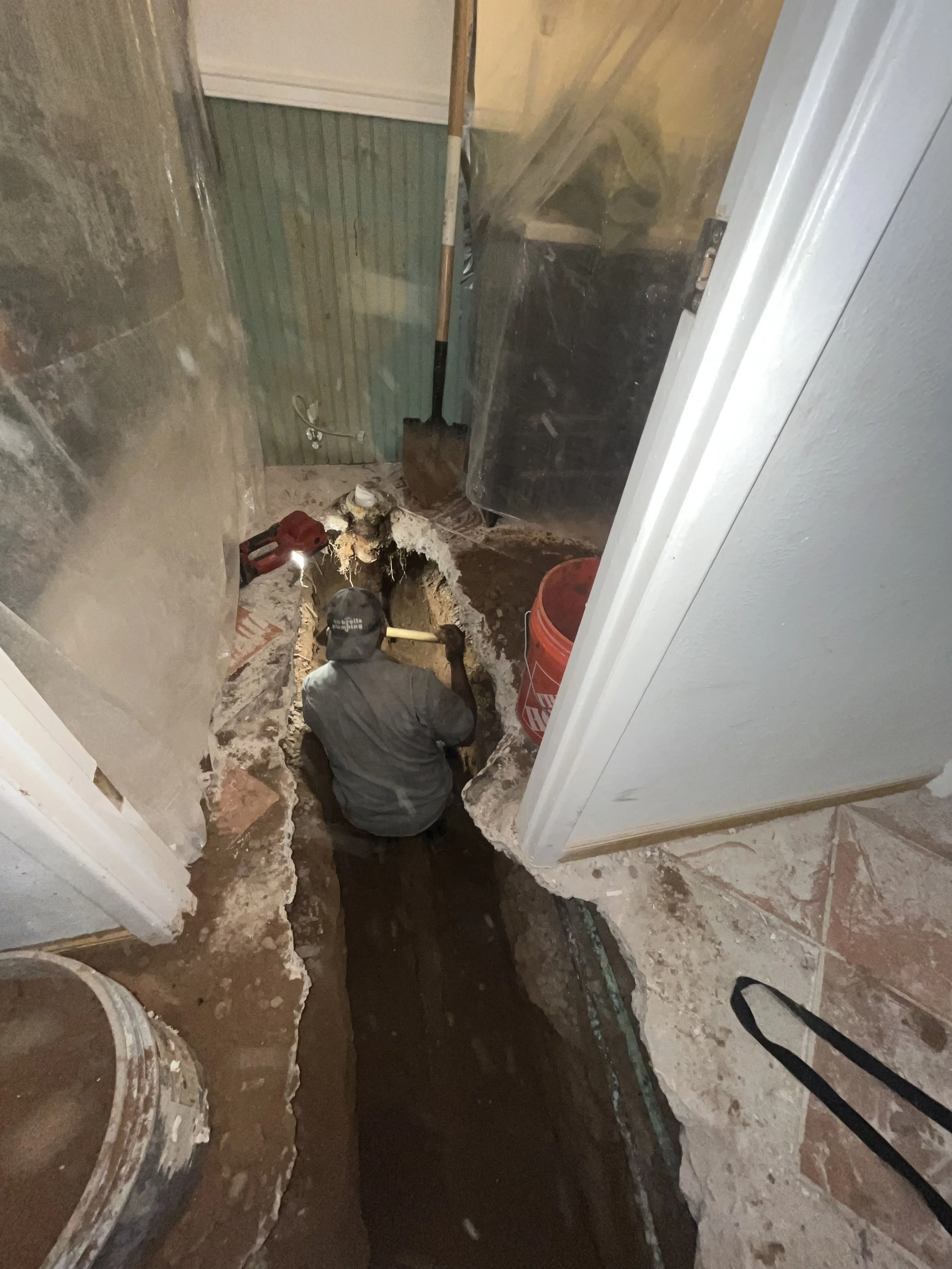
Early detection protects your property
Fast water leak detection matters because underground water does not stay neatly in one place. It follows the easiest path through soil, gravel, concrete gaps, and utility trenches. By the time water appears at the surface, the leak may have already affected a wider area than expected.
Efficient detection helps limit unnecessary digging. Instead of tearing up large sections of landscaping or concrete, trained technicians use tools and field experience to narrow down the likely leak location. This saves time, reduces mess, and helps guide a more accurate repair plan.
Early action can also reduce secondary damage. Moist soil can attract pests, compromise hardscaping, or cause muddy areas that make outdoor spaces difficult to use. In commercial settings, leaks can disrupt access, create safety concerns, and interfere with daily operations.
How professionals locate leaks below the surface?
Professionals locate underground leaks by combining observation, system testing, acoustic equipment, pressure checks, and other diagnostic methods. The goal is not simply to find wet ground; it is to identify where the plumbing is losing water and determine whether the line can be repaired or should be replaced. This step-by-step approach helps avoid guesswork.
A typical detection process may include:
Visual inspection: Looking for wet spots, soil movement, cracks, unusual plant growth, or water surfacing near the suspected line.
Meter testing: Confirming whether water is moving through the system when fixtures are off.
Pressure testing: Checking whether a pipe section can hold pressure or is losing water underground.
Acoustic listening: Using sensitive equipment to detect sounds created by water escaping under pressure.
Line tracing: Identifying the approximate path of buried piping before excavation or repair begins.
No single method works perfectly in every situation. Soil type, pipe material, depth, background noise, and the size of the leak can all affect detection. That is why experienced leak detection services rely on multiple clues instead of one quick test.
When does replacement make more sense?
Replacement makes more sense when the underground line is aging, has repeated leaks, shows widespread deterioration, or runs through an area where future repairs would be highly disruptive. A single repair may stop today’s problem, but it may not be the most efficient choice if the rest of the pipe is close to failing. In those cases, replacing the affected line can provide a more complete solution.
This is especially important when leaks keep returning in the same service line. Repeated repairs can add up in cost, time, and property disturbance. If the pipe condition suggests ongoing problems, replacement may reduce the cycle of digging, patching, and worrying about the next leak.
Replacement does not always mean unnecessary damage to your property. Depending on the site, technicians may be able to plan access points carefully, protect landscaping where possible, and restore the work area after the line is repaired or replaced.
We can manage the replacement for you
If your underground leak turns out to require more than a minor repair, our team can guide you through the next step. We handle replacements, including planning the work, exposing the damaged line as needed, replacing the affected piping, and helping restore normal service as efficiently as possible.
You do not have to sort through the problem alone or decide between repair and replacement without expert input. Call us to schedule leak detection services and talk through the best solution for your property. The trusted name everyone calls- Umbrella Plumbing is here to help you move from uncertainty to a clear repair plan.
A smarter approach saves time and stress
Underground leaks are frustrating because the source is hidden, but the solution should not be a guessing game. Watch for warning signs, act early, and rely on proper detection before major digging begins. When the leak is found accurately and repaired with the right method, you protect your plumbing, your property, and your peace of mind.
