
Why Is Water Coming Up Drain? Solutions & Prevention
Why Is Water Coming Up Through My Bathtub or Shower Drain?
Water coming up through a bathtub or shower drain usually means wastewater is not moving through your plumbing system the way it should. In many homes, the tub or shower is one of the lowest drain openings, so it can be the first place where a clog, blockage, or sewer line issue shows up. If you are asking, “Why is water coming up through my bathtub or shower drain?”, the safest answer is to stop using nearby fixtures and get the problem checked before it becomes a messy backup.
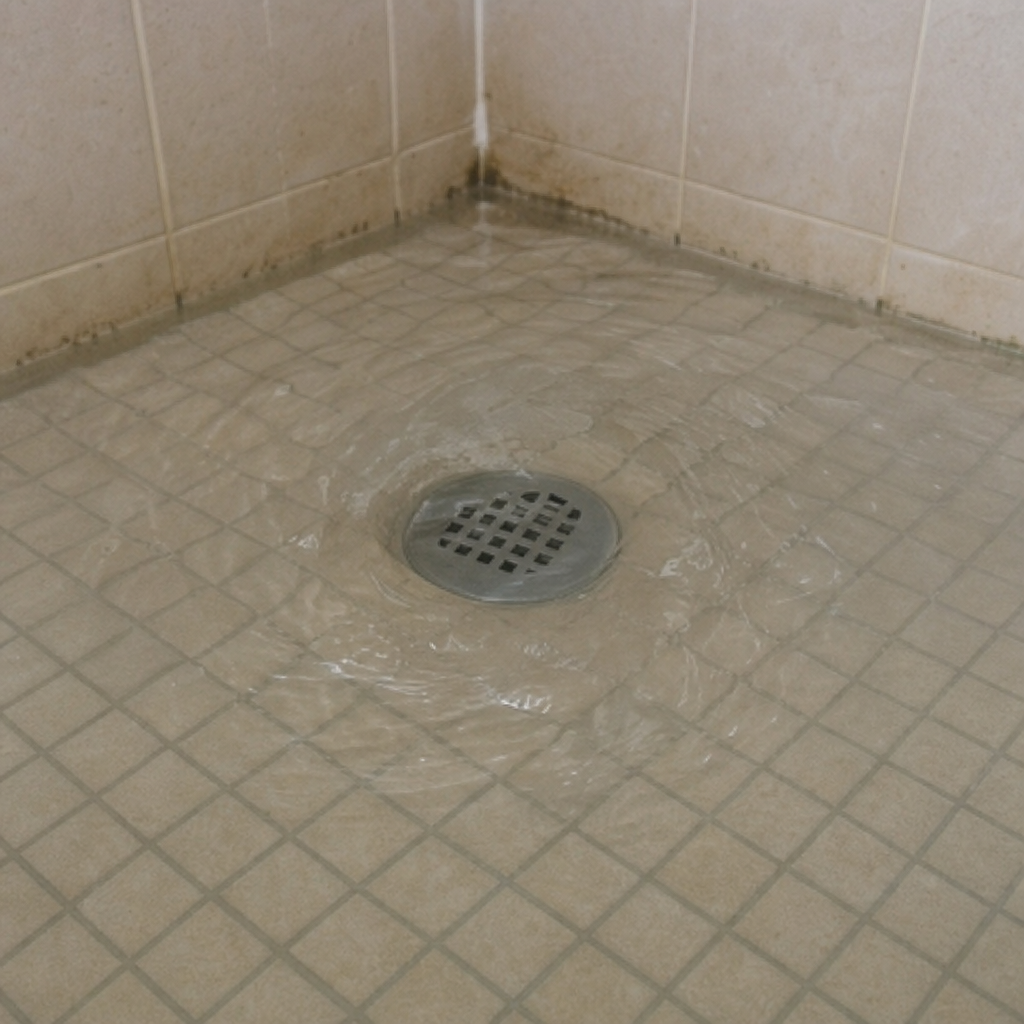
What does water backing up into a tub or shower mean?
Water backing up into a tub or shower means there is likely a blockage downstream from that fixture, and water is being forced to escape through the lowest available drain. This can happen when a clog forms in a bathroom drain line, a shared branch line, or the main sewer line that carries wastewater away from your home.
The location of the clog matters. If only one shower drains slowly, the issue may be close to that fixture. If flushing a toilet, running a washing machine, or using a sink causes water to rise in the tub, the blockage may be deeper in the system. That second scenario is more urgent because multiple fixtures may be trying to push wastewater through the same restricted pipe.
Common causes of water coming up through the drain
A backup rarely happens for no reason. Plumbing systems are designed to carry water in one direction, so reverse flow usually points to a clog, poor drainage, or a bigger sewer problem.
Hair, soap, and bathroom buildup
Showers and tubs collect hair, soap residue, shaving products, conditioner, and body oils every day. Over time, these materials can stick to the inside of the drain and create a dense blockage. Water may still pass through at first, but the drain becomes slower until it finally backs up.
This type of clog is often local to the bathroom. You may notice standing water during showers, gurgling sounds, or a drain that clears slowly after use. Chemical drain cleaners can be harsh on pipes and may not remove the full obstruction, especially if the clog is thick or located farther down the line.
Toilet or nearby fixture backups
If water rises in the tub when you flush the toilet, the toilet and tub may share a drain line that is partially blocked. The flushed water has to go somewhere, and if it cannot move forward, it may push back through the tub or shower drain.
This is a sign to stop flushing and avoid running more water. Continued use can make the backup worse and may introduce contaminated wastewater into the bathroom. A professional plumber can determine whether the blockage is in the toilet trap, bathroom branch line, or a larger drain pipe.
Main sewer line obstruction
A main sewer line blockage can affect several fixtures at once. You may see water come up in the shower when the washing machine drains, hear bubbling in toilets, or notice multiple slow drains throughout the home. Because the main line serves as the exit path for wastewater, a blockage here can quickly become a whole-house problem.
Common contributors include grease buildup, flushed wipes, foreign objects, pipe scale, collapsed pipe sections, or tree roots entering damaged lines. The exact cause is not always visible from inside the home, which is why diagnosis matters before choosing a repair.
Venting problems and pressure issues
Drain lines need proper venting so air can move through the plumbing system. When vents are blocked or poorly functioning, drains may gurgle, empty slowly, or behave unpredictably. A venting issue alone may not always cause dirty water to rise in a tub, but it can contribute to drainage problems and make existing clogs more noticeable.
A plumber can tell the difference between a simple clog and a system issue. That distinction helps prevent repeat backups after a temporary fix.
Signs the problem needs immediate attention
Some drain problems can wait a short time, but bathtub or shower backups should be treated seriously. Watch for these warning signs:
Water appears when another fixture is used. This suggests the issue may be in a shared line or main drain.
More than one drain is slow. Multiple affected fixtures often point to a larger blockage.
The water smells like sewage. This may indicate wastewater is backing up, not just clean water.
Toilets bubble or gurgle. Air trapped by a blockage can force bubbles through toilet water.
The backup returns after plunging. A deeper clog may need professional clearing or inspection.
Water rises quickly. Fast-rising water can overflow and damage flooring, walls, and cabinetry.
If any of these are happening, avoid running sinks, toilets, showers, dishwashers, or washing machines until the cause is identified.
What should you do first?
First, stop using water in the affected area and try to identify whether the backup is isolated or happening across multiple fixtures. If the water looks or smells contaminated, keep people and pets away from it and do not attempt messy repairs without proper protection.
A few simple checks can help you explain the situation when you call for service:
Note which fixture caused the backup. Did it happen after flushing, showering, laundry, or no obvious trigger?
Check nearby drains. Look for slow drainage in sinks, tubs, toilets, or floor drains.
Listen for gurgling. Gurgling can help point to trapped air or a blockage.
Avoid repeated plunging if water is rising. Too much pressure can make a backup spread.
Do not rely on chemical cleaners. They may not solve the cause and can create safety risks for anyone working on the drain later.
These steps will not replace a professional diagnosis, but they can reduce damage and help the technician narrow down the issue faster.
Why professional diagnosis matters
A drain backup can look simple from the surface, but the underlying cause may be hidden several feet away or outside the home entirely. Clearing a visible drain opening may only provide temporary relief if the real blockage is in a branch line, main line, or damaged pipe.
Professional plumbers can inspect the system, clear the right section of pipe, and recommend repairs only when needed. In some cases, the solution may be drain cleaning. In others, recurring backups may require pipe repair or replacement to restore reliable flow.
This is where experience and proper equipment make a difference. Guessing at the cause can lead to repeated clogs, water damage, and unnecessary frustration.
Preventing future tub and shower backups
You cannot prevent every plumbing issue, but good habits can reduce the chance of another backup. Use drain strainers to catch hair, clean visible debris regularly, and avoid rinsing grease, heavy soaps, wipes, or hygiene products down drains. Even products labeled flushable can contribute to clogs in real plumbing systems.
It also helps to pay attention to early warning signs. A shower that drains slowly, a toilet that bubbles, or a sink that makes unusual sounds may be giving you time to act before water comes back up through the tub.
Get help before the backup gets worse
If you are still wondering, “why is water coming up through my bathtub or shower drain?”, it is time to have the plumbing system checked. Backups can involve clogged drains, sewer line trouble, or damaged piping, and the right fix starts with the right diagnosis.
Contact the company for professional diagnosis, repair, or replacement services before the issue turns into a larger cleanup. The trusted name everyone calls- Umbrella Plumbing can help identify the source of the backup and recommend the next practical step.
The main takeaway is simple: water coming up through a tub or shower drain is not normal, and it should not be ignored. Stop using nearby fixtures, protect the area, and bring in a qualified plumber to resolve the cause safely and thoroughly.
