
DIY Plumbing: Mistakes That Cost You
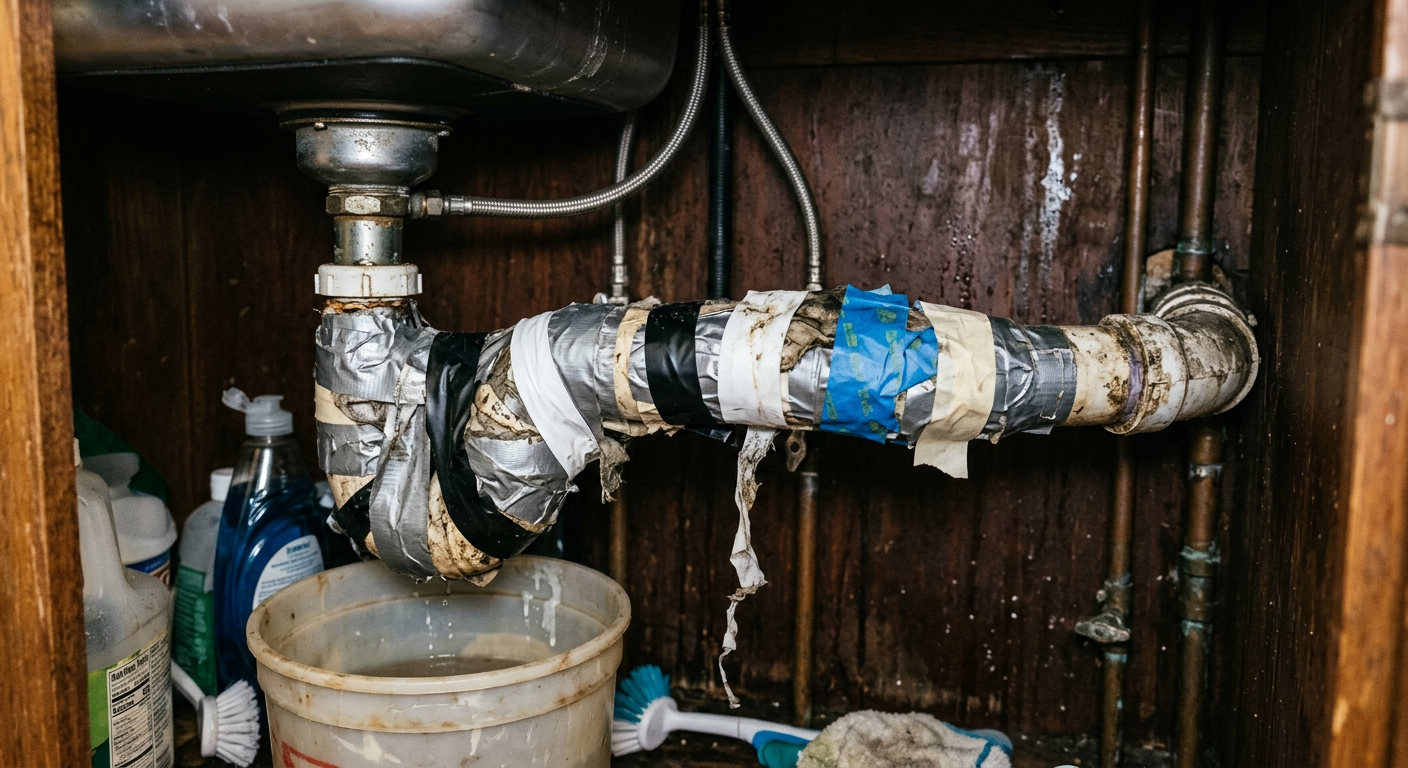
A quick plumbing fix can feel satisfying, especially when a leak slows down or a clog finally clears. The problem is that many DIY repairs only hide the symptom while the real issue keeps growing behind walls, under sinks, or beneath floors. Understanding the consequences of doing DIY in plumbing that only cause temporary fixes can help you decide when a simple repair is safe and when it is time to call a professional.
Why do temporary plumbing fixes become expensive?
Temporary plumbing fixes become expensive because water problems rarely stay contained. A small drip, loose seal, or partially cleared drain can keep damaging cabinets, flooring, drywall, and pipe connections long after the visible issue seems solved. What starts as a low-cost weekend repair can turn into water damage, mold risk, repeat parts purchases, and a larger repair bill when the underlying problem is finally uncovered.
Plumbing systems are connected. Pressure, drainage, venting, pipe material, slope, and seals all work together. When a DIY fix addresses only one visible point, it can shift stress elsewhere in the system. That is why some DIY plumbing mistakes look successful for a few days, then return as a bigger leak, slower drain, or recurring odor.
The hidden cost of “good enough” repairs
One of the most common DIY plumbing mistakes is assuming that “stopped for now” means “fixed.” A bucket under a pipe, extra tape around a fitting, or chemical cleaner down a slow drain may buy time, but it does not always solve the cause. In many cases, it simply delays the moment when the problem becomes unavoidable.
Temporary repairs often create three kinds of cost. First, there is the direct cost of buying parts and tools more than once. Second, there is the damage caused while the issue continues in the background. Third, there is the cost of undoing the temporary repair before the proper repair can begin.
A rushed patch can also make diagnosis harder. If a fitting has been overtightened, sealed with the wrong product, or altered from its original layout, the next person working on it may have to spend extra time figuring out what changed. That added complexity can turn a straightforward repair into a longer job.
Common DIY plumbing mistakes that cause bigger problems
Some plumbing tasks look simple until the system is under pressure again. The following issues are among the most common DIY plumbing mistakes homeowners make when trying to save time or avoid a service call:
Overtightening connections: Too much force can crack plastic fittings, crush washers, or damage threads. A connection may seem secure at first, then start leaking later.
Using the wrong sealant or tape: Not every joint needs a plumber’s tape, and not every leak can be fixed with putty or caulk. The wrong material can fail quickly or contaminate the connection.
Relying on chemical drain cleaners: Harsh cleaners may open a small channel through a clog, but they often leave buildup behind. Repeated use can also be hard on older pipes.
Ignoring shutoff valves: Working without confirming the right shutoff point can turn a minor repair into an emergency if water starts spraying.
Mixing incompatible materials: Certain metals and fittings should not be combined without the right transition pieces. Poor material choices can lead to corrosion or early failure.
Forgetting about drainage slope: Drain lines need proper pitch. If a replacement section is installed too flat or too steep, waste and water may not move correctly.
These mistakes are not always dramatic at first. That is what makes them risky. A repair that appears fine on the surface can quietly weaken the system until the next clog, pressure change, or heavy use exposes it.
How long does plumbing last when repairs are done properly?
How long does plumbing last depends on the pipe material, water quality, installation, maintenance, and the amount of wear the system receives. Properly installed and maintained plumbing generally lasts much longer than plumbing that has been repeatedly patched with short-term fixes. Temporary repairs, poor connections, and untreated leaks can shorten the useful life of pipes, fixtures, valves, and drains.
The more often a system is disturbed, forced, clogged, or exposed to moisture outside the pipe, the more likely it is to fail early. For example, a slow leak beneath a sink may damage the cabinet and loosen nearby fittings. A clog that is only partly cleared may keep stressing the drain line. A toilet that rocks because it was not reset correctly can eventually damage the wax seal and the floor around it.
Good plumbing work is not only about stopping water today. It is about protecting the system so it continues working reliably tomorrow.
Warning signs that your DIY fix did not solve the problem
A temporary repair may look successful at first, so it helps to know what to watch for afterward. If any of these signs appear, the original issue may still be active:
The same leak returns. Even a small drip means the seal, fitting, or pipe may still be compromised.
Water stains spread. Discoloration on walls, ceilings, or cabinet floors suggests moisture is still escaping.
A drain slows again quickly. Recurring clogs often point to deeper buildup, improper slope, venting issues, or a blockage farther down the line.
You notice musty odors. Persistent damp smells can signal hidden moisture or trapped waste inside the plumbing system.
Water pressure changes. Sudden pressure drops or surges after a repair may mean something was not reconnected correctly.
A fixture moves or shifts. Loose faucets, toilets, or pipes can break seals and create leaks over time.
These warning signs should not be ignored simply because the first repair seemed easy. Water damage often develops slowly, then becomes expensive all at once.
Which common DIY plumbing mistakes that I should avoid matter most?
If you are wondering, “What are the common DIY plumbing mistakes that I should avoid?” focus first on mistakes that involve active leaks, sewer connections, water heaters, main lines, and anything inside walls or floors. These areas carry the highest risk because a failed repair can damage your home quickly or affect sanitation and safety. Cosmetic or simple fixture tasks may be manageable for careful homeowners, but hidden or pressurized plumbing deserves more caution.
Before starting any plumbing task, ask yourself a few practical questions:
Do I know where the shutoff valve is, and does it work?
Can I clearly see the entire problem area?
Do I understand what caused the issue, not just where the symptom appeared?
Am I using the correct parts for this pipe, fixture, or drain?
Will a failed attempt create water damage or leave the home without essential plumbing?
If the answer to any of these questions is uncertain, pausing is the smarter choice. Guessing with plumbing can be costly because water keeps moving even when the repair is wrong.
Smarter ways to handle small plumbing problems
Not every plumbing issue requires panic, and not every DIY effort is a mistake. The safer approach is to separate basic maintenance from repairs that need experience. Cleaning a faucet aerator, replacing a simple showerhead, or checking for visible moisture under a sink can be reasonable tasks. Opening walls, altering pipe runs, replacing shutoff valves, or repeatedly treating the same clog should be handled with more care.
Use this simple checklist before making a repair:
Turn off the water before loosening any supply connection.
Take photos before removing parts so you know how everything was assembled.
Use manufacturer-compatible replacement parts when possible.
Avoid forcing fittings that do not line up naturally.
Test slowly after the repair and watch the area for several minutes.
Recheck the area later, because some leaks appear only after use.
The goal is not to avoid learning basic home maintenance. The goal is to avoid turning a manageable problem into a hidden, repeated, or more destructive one.
The takeaway
DIY plumbing can be useful when the job is simple, visible, and low risk. The costly problems begin when temporary fixes are treated as permanent repairs. By understanding common DIY plumbing mistakes, watching for warning signs, and knowing when a problem needs professional attention, you can protect your home from avoidable water damage and longer-term plumbing failure.
Call us at 480-869-6952 or contact us online. We are at 434 N. San Marcos Place in Chandler and we are set up to work with business and commercial accounts directly.
