
Hot Weather Plumbing: Best Practices Explained
Hot weather plumbing care focuses on protecting exposed pipes, checking temperature limits, and catching leaks before they waste water. Heat can affect plastic piping’s pressure capacity, while sunlight creates a separate concern for materials sensitive to ultraviolet exposure. Understanding both helps you choose practical protection rather than assuming every pipe needs replacement.
Can hot weather damage plumbing pipes?
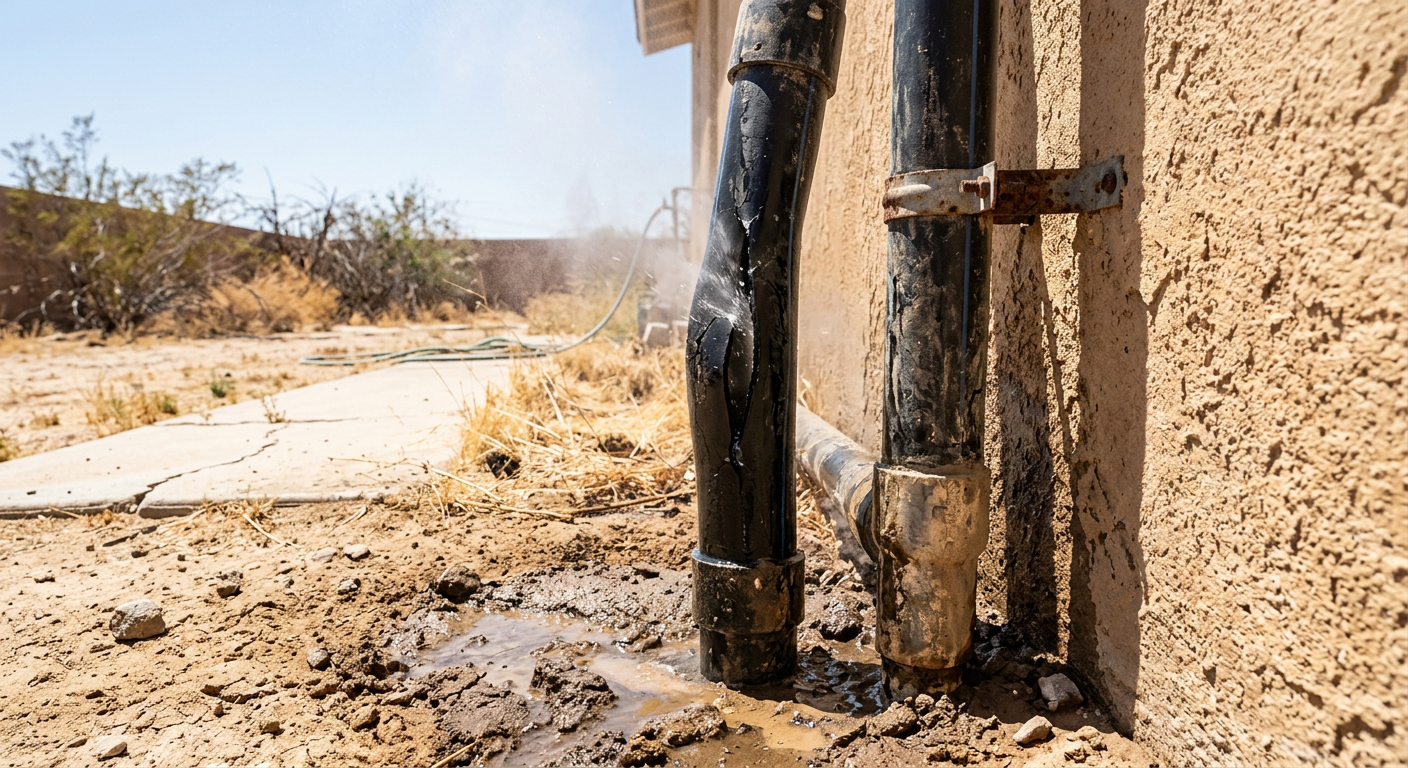
Yes, hot weather can affect plumbing pipes, particularly when temperature changes are not accounted for in the installation. Plastic piping expands and contracts as temperatures change, and its allowable operating pressure can decrease at higher temperatures. That makes material selection, installation layout, and actual operating conditions more useful considerations than the outdoor forecast alone.
Heat and sunlight should not be treated as the same problem. PVC’s temperature affects its pressure rating and stiffness, while prolonged UV exposure can affect its surface and impact resistance. PEX has different limitations: its short-term UV resistance rating does not mean it is intended for permanent exposure to sunlight.
For homeowners concerned about hot weather damaging plumbing pipes and how to prevent it, start with identification. Note the pipe material, whether sunlight reaches it, and where any leaks appear. Use that information to request a targeted assessment instead of replacing otherwise serviceable plumbing without a diagnosis.
Which heat-resistant pipes suit your home?
Suitable heat-resistant pipes are products rated for the application’s temperature, pressure, and exposure conditions—not simply products marketed as durable. Check the specific manufacturer’s documentation before choosing a replacement. PVC and CPVC pressure ratings depend on operating temperature, so a room-temperature rating alone is not enough for evaluating a hot installation.
Treat material selection as a system decision. Ask your installer to explain:
Temperature suitability: What conditions will the pipe encounter, and how do those compare with its published limits?
Pressure capacity: What operating pressure is allowed at the expected temperature?
Sunlight protection: Does the product need shielding, a compatible coating, or a different installation route?
Installation compatibility: Which fittings, supports, and protective materials does the manufacturer specify?
These questions help separate heat tolerance from outdoor suitability. PEX illustrates the distinction: excessive UV exposure can reduce its long-term performance even though the tubing is used in hot-water systems. A product’s ability to carry hot water is not permission to leave it exposed outdoors.
Protect exposed piping without creating new problems
Begin your hot weather plumbing pipes prevention routine with a daylight walk around the property. List visible pipe runs, missing protective covers, and areas you cannot confidently identify. Photograph markings and existing protection so a plumber can review the actual installation rather than guess from a description.
For permanently exposed PVC, the Plastics Pipe and Fittings Association recommends a compatible, light-colored, water-based paint. It advises against oil-based paints. Confirm the pipe manufacturer’s instructions before applying anything, and do not assume guidance for PVC also applies to PEX or another plastic.
Protection must also preserve the installation’s ability to accommodate movement. Temperature changes cause dimensional changes in piping; inadequate allowance can contribute to overstressed supports or leaking joints. Have a professional evaluate sagging or strained runs rather than adding tight restraints as a quick fix.
Keep a record of the product used, the manufacturer’s instructions, and the installation date. That record gives the next person working on the plumbing something concrete to check. It also avoids repeating the same material-identification work during every repair.
Build a summer leak-check routine
Summer often brings greater outdoor water use, particularly for landscaping. That makes it worth checking irrigation operation before simply increasing watering time. EPA recommends inspecting for leaks, broken heads, and spray directed onto pavement instead of plants.
Use this checklist during a scheduled inspection:
Watch each irrigation zone operate. Look for tilted heads, incomplete coverage, and water spraying in unintended directions.
Inspect between watering cycles. Pooling water can indicate an underground leak rather than a need for more irrigation.
Check valve boxes and connections. Look for seepage and valves that fail to stop water completely.
Record the location of each problem. Flagging a faulty sprinkler helps you or an irrigation professional find it again.
Include hose connections in the inspection. Phoenix advises checking garden hoses and replacing worn washers in Arizona’s extreme climate. Also walk the yard for unexplained soggy ground, which can indicate leaks in irrigation or other underground water lines.
When should you call a plumber?
Call a plumber when you find a persistent leak, unexplained pressure changes, or piping whose temperature and exposure suitability you cannot verify. Do not assume a pressure problem is caused by heat. EPA recommends checking incoming service pressure with a gauge and seeking professional adjustment when pressure is substantially above its recommended range.
If you are searching for “plumbing AZ,” give the contractor more than a description of the weather. Share photographs, pipe markings, when the problem occurs, and whether irrigation was running. Ask for the suspected cause and proposed correction in writing so you can distinguish a necessary repair from an optional upgrade.
Leave backflow-preventer repairs to a qualified professional. Phoenix specifically cautions that this equipment can contain water under extreme pressure. An outdoor location does not make it a suitable DIY repair.
Make prevention specific to your property
Build your maintenance plan around the pipes and equipment you actually have. Identify exposed materials, verify suitable protection, and keep a repeatable leak-check checklist. If a problem returns, bring your inspection notes to a professional rather than adding another temporary patch. The goal is a clear diagnosis and an appropriate repair—not a blanket replacement driven by summer temperatures.
