
Clogged Drains Plumbing Checklist: Tips & Solutions
Essential Plumbing Checklist for Clogged Drains
A slow sink, standing shower water, or gurgling kitchen drain can turn a normal day into a messy one fast. This clogged drains plumbing checklist walks you through safe first steps, practical clogged drain solutions, and the point where it makes sense to stop guessing and call a professional.
What should you check first when a drain clogs?
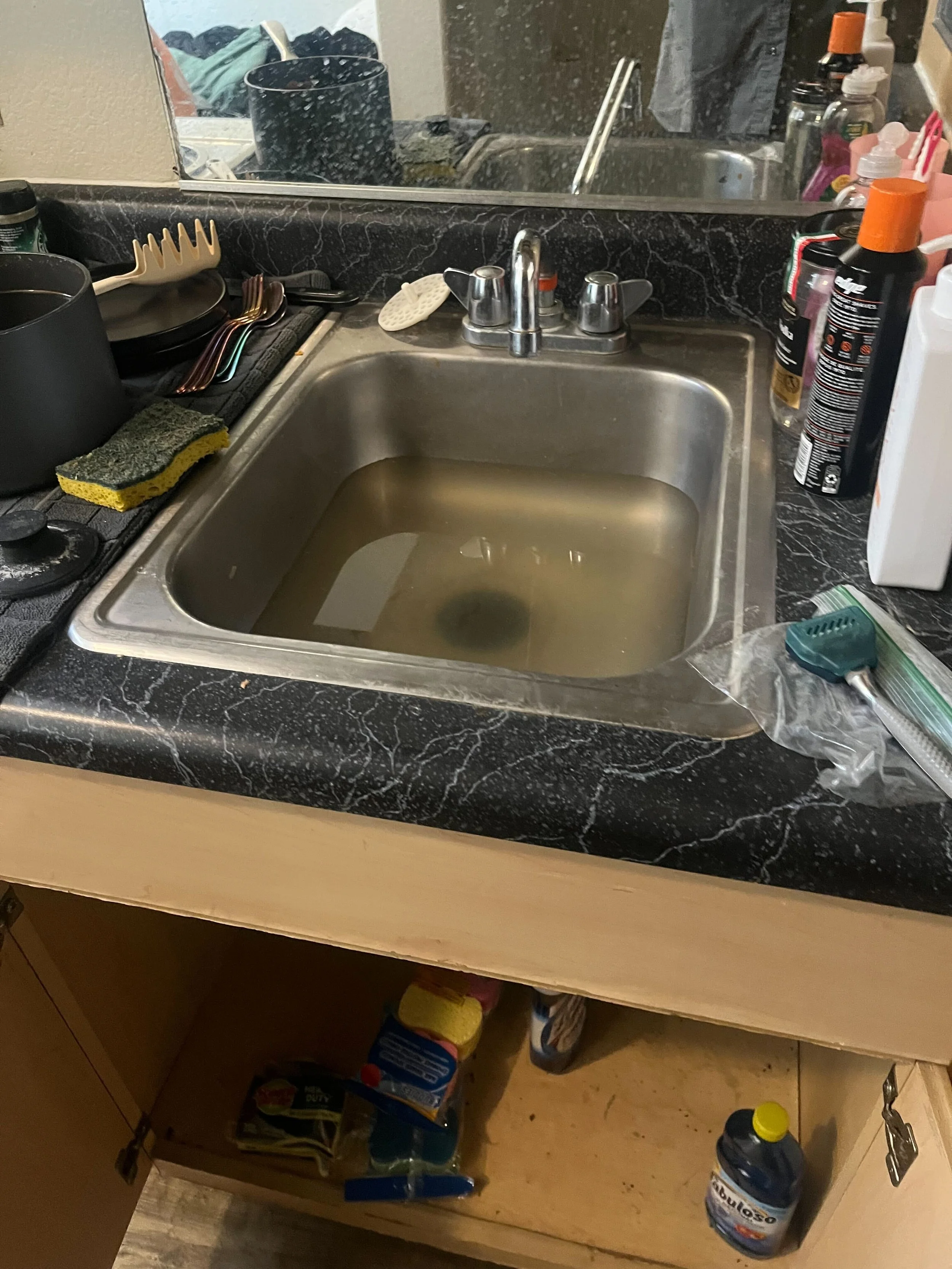
Start with the simplest, safest possibilities before reaching for aggressive tools or chemicals. Many clogs sit close to the drain opening, especially in bathroom sinks, showers, and tubs where hair, soap residue, and toothpaste buildup collect over time.
Use this quick checklist before taking anything apart:
Look for visible debris. Remove hair, food scraps, or buildup from the drain cover or stopper.
Check nearby drains. If only one fixture is slow, the clog may be local. If several drains are backing up, the problem may be deeper in the plumbing system.
Listen for gurgling. Gurgling can point to trapped air, venting issues, or a blockage further down the line.
Avoid running more water. If water is already backing up, adding more can make the mess worse.
Skip harsh chemical drain cleaners. They can damage pipes, irritate skin and lungs, and may not clear the real obstruction.
These basic plumbing troubleshooting tips help you understand whether you are dealing with a minor blockage or a bigger warning sign.
Safe clogged drain solutions to try at home
For many simple clogs, gentle methods work better than panic. A plunger is often the best first tool, especially for sinks, tubs, and toilets. Make sure there is enough water to cover the plunger cup, create a firm seal, and use steady pressure rather than wild force.
For sink drains, you can also remove and clean the stopper if it is designed to come out easily. Hair and grime often wrap around the mechanism, causing slow drainage even when the pipe itself is mostly clear. In kitchens, grease is a common culprit, so avoid pouring fats, oils, or coffee grounds down the drain.
A simple home approach may include:
Remove the drain cover or stopper if accessible.
Clear visible buildup with gloves or a plastic drain tool.
Plunge the drain several times with a tight seal.
Flush with warm water if drainage improves.
Stop if water backs up, smells foul, or affects multiple fixtures.
When does snaking make sense?
Snaking makes sense when a clog is beyond the drain opening but still reachable with the right tool. A drain snake can break up or pull out material that plunging cannot move, such as hair clumps, soft blockages, or compacted debris.
That said, snaking is not always simple. Pushing too hard can scratch fixtures, damage older pipes, or drive the blockage deeper. If you feel strong resistance, keep pulling back dirty material, or the clog returns quickly, it is time to bring in help rather than repeat the same fix.
Warning signs you need a plumber
Some drain problems are more than an inconvenience. Call a professional if several drains clog at once, sewage odors appear, water backs up into another fixture, or toilets bubble when nearby sinks run. These signs can point to a main line problem, not just a single clogged drain.
If you are looking for plumbers AZ that are trusted, choose a licensed professional who can inspect the issue, explain the repair, and avoid unnecessary damage. A good plumber can also identify whether recurring clogs come from pipe condition, poor drainage habits, or a deeper obstruction.
Keep drains clearer with small habits
The best clogged drain solutions are often preventive. Use drain screens, scrape plates before washing dishes, keep grease out of the sink, and rinse bathroom drains regularly. A few small habits can save you from bigger plumbing headaches later.
Keep this clogged drains plumbing checklist handy for the next slow drain. Start simple, stay safe, and call a plumber when the symptoms suggest something deeper than a basic clog.
