
Hotel & Resort Boilers AZ: Boost Efficiency & Reliability
Energy Efficiency in Hotel Boiler Systems
Hotels depend on reliable boiler systems for guest showers, laundry, kitchens, pools, spas, and space heating. When those systems run inefficiently, energy waste can show up in utility costs, comfort complaints, equipment strain, and unexpected downtime. For Arizona properties, where seasonal demand can shift between domestic hot water, pool heating, and building comfort, a practical efficiency plan starts with smarter operation and consistent professional care.
Why does boiler efficiency matter for hotels and resorts?
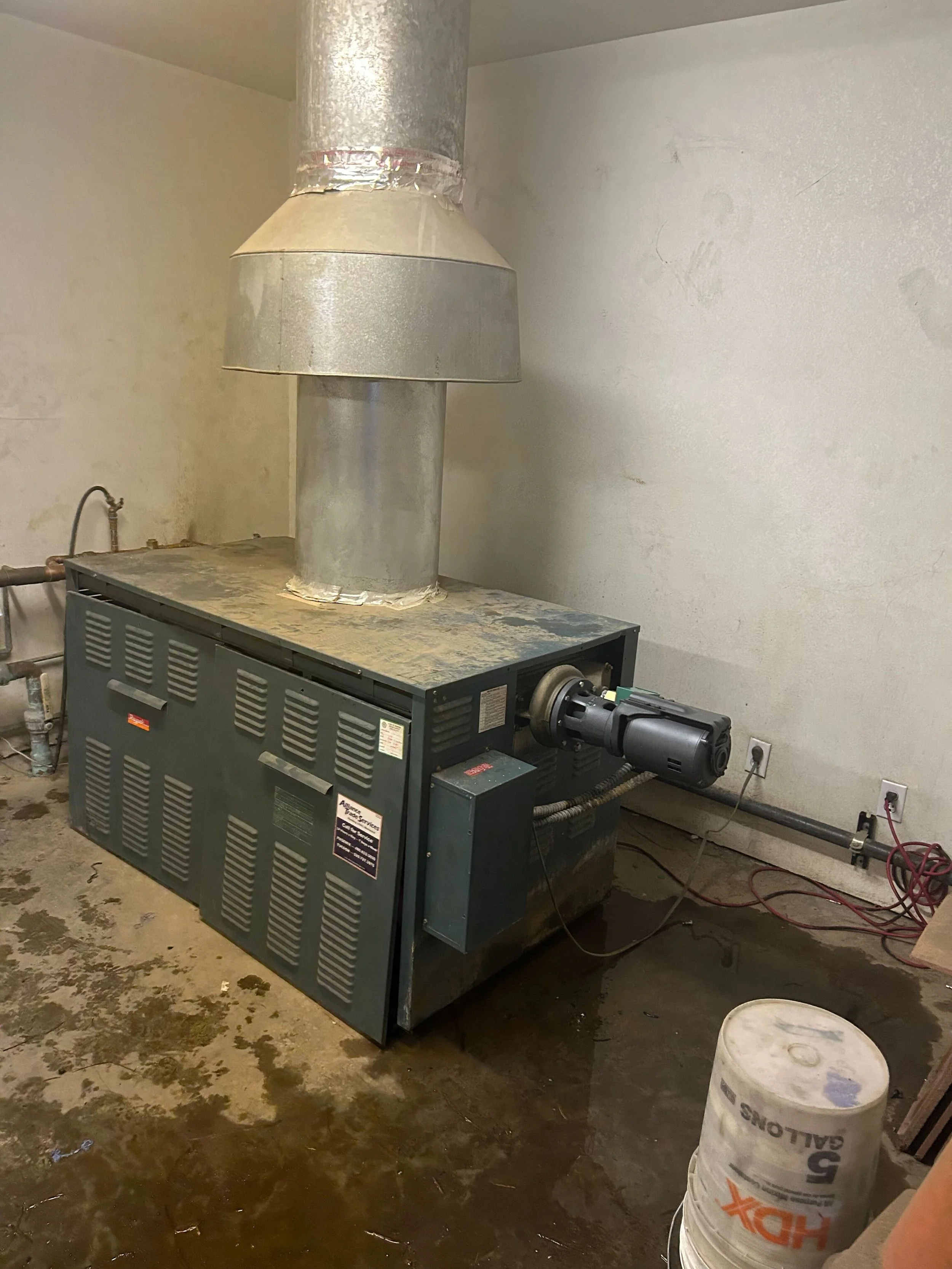
Boiler efficiency matters because hotels cannot simply “use less hot water” without affecting the guest experience. Guests expect hot water on demand, laundry teams need consistent temperatures, and hospitality operations often run across long service windows. An efficient boiler system helps meet that demand with less wasted fuel, fewer performance surprises, and better control over operating costs.
For properties searching for hotel and resort boilers az, the conversation should go beyond equipment size. The right approach considers load patterns, maintenance history, control settings, water quality, venting, distribution piping, and backup capacity. A boiler that is technically working may still be short-cycling, overheating water, losing heat through poor insulation, or struggling because the system around it has not been maintained.
Efficiency also supports reliability. When a boiler runs under unnecessary stress, parts can wear faster, safety controls may trip more often, and small issues can become disruptive. In hospitality, that risk is especially important because boiler problems rarely happen at a convenient time.
The main causes of wasted energy in hotel boiler systems
Energy waste in hotel boiler systems usually comes from a combination of operational habits and mechanical conditions. A system may have been designed correctly years ago, but changes in occupancy, renovation, added amenities, or deferred service can make the original setup less effective.
Common efficiency problems include:
Short cycling: The boiler turns on and off too frequently, wasting energy and increasing wear.
Incorrect temperature settings: Water may be heated hotter than necessary, especially when controls are not adjusted for real demand.
Scale and sediment buildup: Mineral deposits can reduce heat transfer and force the boiler to work harder.
Poor combustion performance: Burners that are dirty or improperly adjusted may use more fuel than needed.
Heat loss in the system: Uninsulated piping, leaking valves, or inefficient distribution can waste heat before it reaches the point of use.
Neglected controls: Outdated, bypassed, or poorly calibrated controls can prevent the system from responding efficiently to demand.
These issues often overlap. For example, a property may raise temperature settings to compensate for slow hot water delivery, when the real issue is circulation, storage, mixing, or distribution. That quick fix can increase fuel use without solving the root problem.
Practical ways to improve boiler efficiency
Improving efficiency does not always begin with a major replacement. Many hotels can start by tightening up maintenance, controls, and daily operating practices. The goal is to make the system deliver the required hot water and heat with the least unnecessary run time.
A useful efficiency checklist includes:
Review operating temperatures. Confirm that setpoints match the property’s actual needs and safety requirements rather than old habits.
Inspect combustion performance. Burner condition, air-fuel ratio, and venting should be evaluated by qualified technicians.
Check for leaks and failed valves. Even small leaks can waste water, heat, and energy over time.
Clean heat transfer surfaces. Soot, scale, and buildup reduce efficiency and can contribute to uneven performance.
Evaluate insulation. Exposed hot water piping, tanks, and fittings can lose heat into mechanical rooms and utility spaces.
Test controls and sensors. Controls should respond accurately to demand, temperature, pressure, and safety conditions.
Track service trends. Repeated resets, rising fuel use, or frequent part replacement may signal a deeper issue.
This is where boiler maintenance az becomes more than a routine service search term. In Arizona hospitality environments, proactive maintenance helps properties adapt to changing usage patterns, hard water concerns, and the constant expectation of guest-ready hot water.
When should a hotel consider upgrading its boiler system?
A hotel should consider an upgrade when maintenance no longer restores dependable performance, energy waste is persistent, or the system cannot keep up with current demand. Age alone is not the only factor; the better question is whether the boiler system still supports the property’s operating needs efficiently and safely.
Warning signs can include uneven hot water delivery, frequent emergency calls, repeated control failures, visible corrosion, unusual noises, rising fuel consumption, and difficulty sourcing replacement parts. If staff members have built workarounds into daily operations, such as timing laundry around hot water availability or manually resetting equipment, the system may be limiting the business.
An upgrade conversation should include more than a new boiler quote. Hotels and resorts should look at the entire system, including storage, pumps, controls, venting, piping, water treatment, and redundancy. A properly planned replacement can improve efficiency, but only when the new equipment is matched to the real load profile of the property.
For hotel and resort boilers az, this system-wide view is especially important. Resorts may have spas, pools, restaurants, event spaces, and laundry operations all drawing from related mechanical infrastructure. Oversizing can waste energy, while undersizing can create guest service problems. The best solution balances efficiency with resilience.
The role of professional commercial boiler services
Professional commercial boiler services help hotel teams move from reactive repairs to planned performance management. A qualified service provider can inspect the system, identify efficiency losses, recommend maintenance intervals, and help prioritize repairs based on operational risk.
Good service is also practical. Hotel managers need clear explanations, realistic scheduling, and recommendations that respect occupancy, guest comfort, and budget planning. A service visit should not just end with a repaired part; it should provide insight into why the issue happened and what can reduce the chance of recurrence.
For many properties, a planned service program may include seasonal inspections, combustion testing, safety control checks, cleaning, water quality review, pump and valve inspections, and documentation of system condition. That record becomes valuable when budgeting for future repairs or deciding whether replacement is the smarter investment.
Building an efficiency plan that works in daily hotel operations
The best boiler efficiency plan is one that fits the way the property actually operates. A boutique hotel, full-service resort, extended-stay property, and event-focused venue may all have different demand patterns. The plan should reflect peak usage times, laundry schedules, kitchen needs, pool or spa heating, and guest expectations.
Hotel teams can start with a simple internal process:
Assign responsibility. Make sure someone tracks boiler performance, service dates, and unusual issues.
Document complaints and patterns. Guest hot water complaints, staff observations, and equipment resets can reveal trends.
Coordinate maintenance with occupancy. Planned service should be scheduled to reduce disruption.
Review utility data. Sudden changes in fuel or water use may point to inefficiency or leaks.
Plan capital improvements early. Waiting for total failure often limits options and increases pressure on decision-making.
Efficiency is not a one-time project. It is an ongoing practice that combines equipment condition, trained service, accurate controls, and informed management. When those pieces work together, the boiler system becomes less of a hidden risk and more of a controlled asset.
Final takeaway
Energy efficiency in hotel boiler systems is about protecting comfort, controlling waste, and reducing avoidable strain on critical equipment. For Arizona hotels and resorts, the strongest results often come from combining routine maintenance, system evaluation, and professional commercial boiler services. With the right plan, a property can support dependable hot water and heating while making smarter long-term decisions about repair, operation, and replacement.
