
Why You Should Know the Location of Your Main Water Shutoff Valve
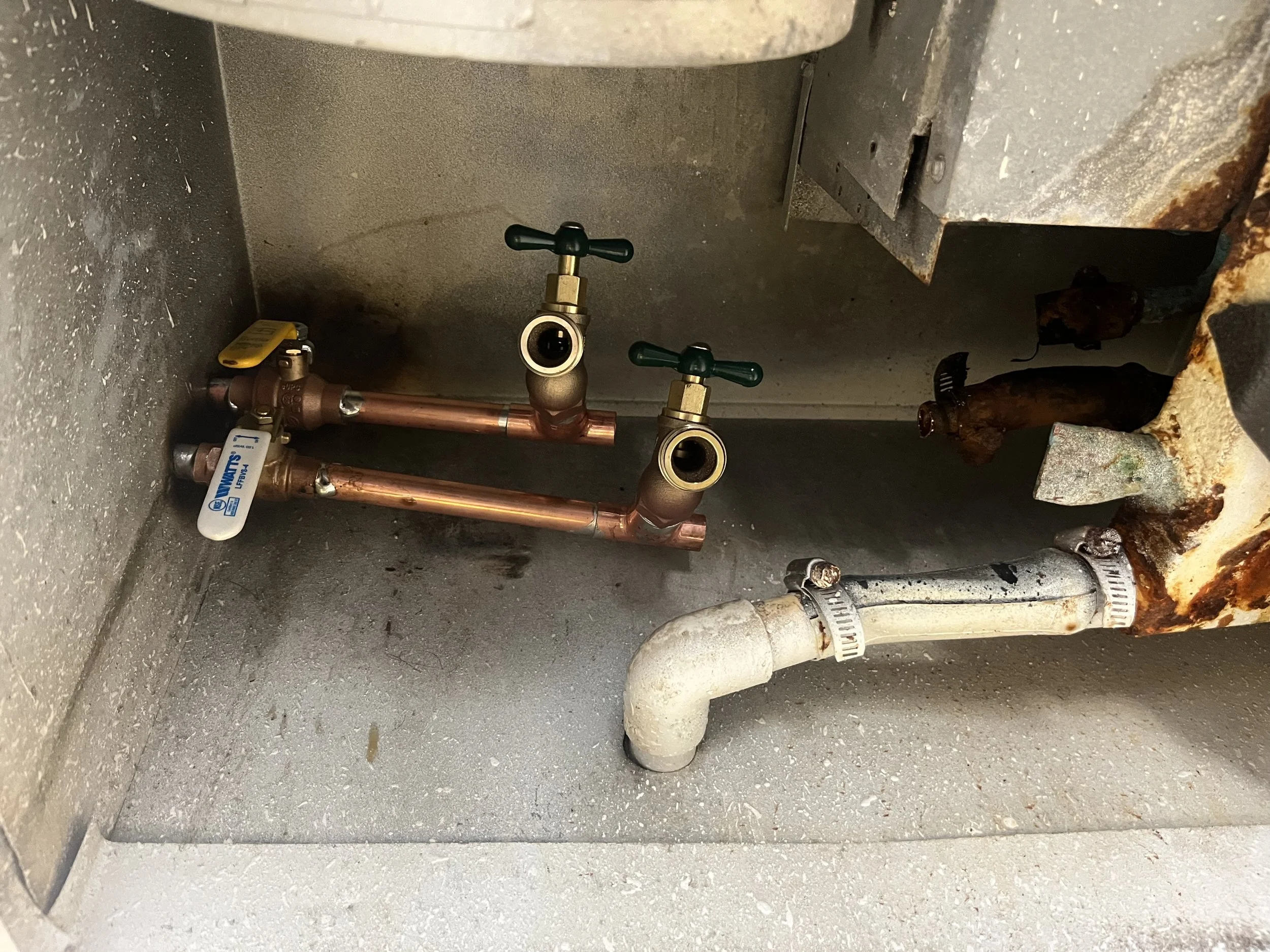
Knowing where your commercial property’s main water shutoff valve is—and who can safely operate it—helps your team respond when a fixture or supply line breaks. Locating and labeling it before an emergency can help limit flooding damage. Umbrella Plumbing offers commercial plumbing repairs and inspections that give property managers a practical starting point for addressing fixture problems and reviewing shutoff readiness.
Why does the main water shutoff valve matter when a fixture breaks?
The main water shutoff valve controls incoming water to the plumbing it serves. When a broken fixture keeps releasing water and its local shutoff cannot stop the flow, the correct upstream shutoff becomes the next way to isolate the problem. Knowing its location means staff can follow an established response instead of searching while water continues escaping.
A faucet’s operating handle and its supply shutoff are not the same thing. For example, a damaged supply connection beneath a sink requires shutting off the water feeding it, rather than simply closing the faucet. Local supply valves may isolate that fixture, but staff need a backup plan if those valves cannot be operated safely.
Make that distinction part of staff training. Ask your plumber to identify which valves serve individual fixtures, which serve larger areas, and which control the building’s domestic supply. The objective is to stop the leak using the appropriate valve, not to shut every valve someone can find.
That is why you should know the location of your main water shutoff valve before a fixture fails: the emergency plan needs a clear next step when the nearest shutoff is unavailable.
The consequences of searching while water keeps flowing
Delays give escaping water more opportunity to wet building materials and contents. Water damage can require extraction, drying, removal of damaged materials, and repairs beyond the original plumbing fault. EPA guidance for commercial buildings emphasizes prompt action because controlling moisture is central to preventing mold growth.
Consider these potential consequences when preparing your business response plan:
Damaged interiors: Wet carpet, wallboard, insulation, and ceiling tiles may require different drying or replacement approaches.
Disrupted workspaces: Plan how you would relocate employees, protect stock, or restrict customer access while affected areas are assessed.
A wider recovery effort: Arrange responsibility for plumbing repair, water removal, drying, and building repairs rather than assuming one visit resolves everything.
Moisture left behind: Include an assessment of affected materials, not just visible puddles, before considering the incident finished.
Stopping the supply is the first control measure, not the entire recovery process. EPA provides guidance for responding to clean-water damage within 24–48 hours to help prevent mold growth. That window is not permission to wait, nor a guarantee that materials dried within it will remain mold-free.
For a commercial property manager, the practical takeaway is straightforward: prepare both a shutoff procedure and a recovery contact list. Treat a broken fixture as a building-management issue, even when the damaged plumbing component looks small.
Where should you look for a commercial property’s main water valve?
Begin near the point where the incoming water service enters the building, then have building management or a plumber confirm the correct valve. Louisville Water identifies the lower level near the service entrance as a typical location in homes and businesses. Layouts vary, so a likely location is only a starting point—not proof that you have found the right control.
Review available plumbing drawings and maintenance records before organizing a walkthrough. Ask the property owner or facilities team to explain access arrangements and identify the domestic water controls. Record which rooms, suites, or services each confirmed valve affects rather than relying on an unlabeled handle.
Do not assume a valve near a meter is available for staff use. Utility access policies vary; San Francisco’s utility, for example, restricts meter access to its field staff. Ask your local utility which equipment belongs to it and who is permitted to operate it.
Keep domestic water controls distinct from fire-protection controls. A closed sprinkler supply valve can impair fire protection. Have qualified personnel clarify the arrangement and follow the property’s approved notification and impairment procedures whenever fire-protection service could be affected.
Turn valve knowledge into a usable response plan
Recommend a documented walkthrough for the people responsible for each shift. Have them follow the route to the confirmed shutoff, identify the label, and explain whom they would call. Use this as a rehearsal without operating valves unnecessarily or interrupting service.
Build the following details into your property’s emergency instructions:
Exact location: Include the room name, entry route, nearby landmark, and a clear photograph.
Access arrangements: Identify authorized keyholders and a backup contact when the primary manager is absent.
Valve identification: Record what the valve controls and any equipment staff must leave alone.
Operating instructions: Have a plumber explain the procedure for the installed valve and identify when staff should stop and call for help.
Escalation contacts: List building management, the plumbing provider, the water utility, and restoration support.
Review responsibility: Assign someone to update the instructions after renovations, repairs, or management changes.
Use a durable valve tag rather than a paper label that could deteriorate when wet. Arrange appropriate testing so you do not discover during a leak that the valve cannot be operated. Louisville Water specifically recommends tagging shutoffs and testing their operation.
Include access checks in your routine property walkthroughs. Ask staff to report blocked routes, missing labels, or unclear instructions rather than improvising a solution during an emergency.
What should staff do when a fixture starts leaking?
Staff should protect people first, notify the responsible building contact, and follow the property’s approved water-isolation procedure. A trained person may use the identified fixture shutoff when it is safely accessible; if that does not control the leak, escalate to the confirmed upstream shutoff and professional assistance. Do not force a stuck fixture valve.
Use this sequence as a planning framework, then adapt it with your facilities team:
Keep people away from hazards. Restrict access to the affected area. Never enter standing water to reach electrical controls or operate electrical equipment while standing in water.
Report the incident clearly. Give the fixture location, describe whether water is still flowing, and identify any unsafe access conditions.
Follow the isolation plan. Use only confirmed controls within the responder’s training and authority. Request help if the correct valve cannot be reached or operated safely.
Call for repair. Explain which valve was closed and whether the flow changed. Keep the damaged fixture out of use pending assessment.
Arrange recovery and reopening. Assign responsibility for drying, checking affected areas, communicating with occupants, and approving a return to normal use.
Do not treat reduced flow as proof that repair work is safe to begin. Water supply must be shut off and isolation verified before faucet disassembly; manufacturer instructions should guide the repair.
Bring valve and fixture concerns to Umbrella Plumbing
Umbrella Plumbing’s published commercial services include maintenance, repairs, upgrades, and installations. Its inspection services cover plumbing components including valves, while its repair services include leaking fixtures, damaged pipes, and fixture replacement. These services are relevant when a business needs both the immediate fault addressed and its shutoff arrangements reviewed.
When requesting service, describe the shutoff concern alongside the broken fixture. Ask for valve identification and condition assessment, discuss repair or replacement options for any defective shutoff, and request an explanation of how the affected fixture can be isolated. Confirm the scope before work begins rather than assuming every valve issue requires the same solution.
If you want a provider to become “the trusted name everyone calls,” make the relationship practical: keep its contact details accessible, share accurate property information, and clarify service arrangements before an urgent call.
Make shutoff readiness part of property care
Your team should not have to solve the building’s plumbing layout while responding to a broken fixture. Identify the correct main water valve, document safe access, and give designated staff a clear escalation plan. Contact Umbrella Plumbing to discuss a commercial plumbing inspection or repair, including concerns about shutoff valves and damaged fixtures.
