Monsoon Season Is Coming. Here Is What It Does to Chandler Plumbing Every Year and How to Get Ahead of It.
July in Chandler means two things are about to happen. Temperatures have been above 110 for weeks, and within a few days or a few weeks, a monsoon storm is going to dump a significant amount of water on the Valley in a very short period of time.
Most homeowners think about monsoon prep in terms of the yard, the patio furniture, the pool. The plumbing side of it gets less attention. And every year after a significant storm, we get calls that trace back to one of the same handful of issues that monsoon season reliably surfaces.
Most of them are preventable if someone has looked at the right things before the storms arrive.
What Monsoon Does to Drainage That People Do Not Expect
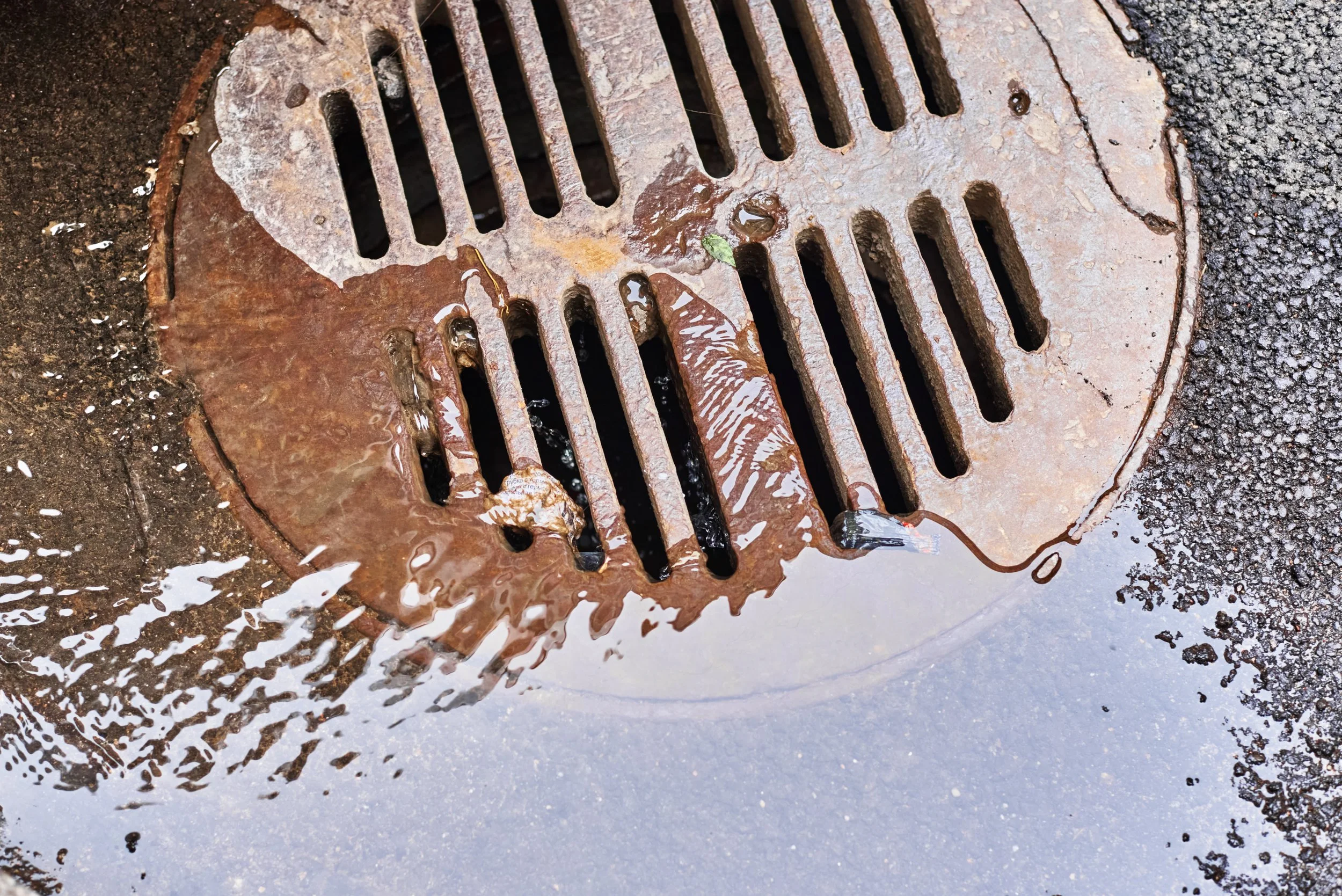
A monsoon storm can drop an inch or more of rain in under an hour on an area that gets maybe eight inches of rain in an entire year. The drainage infrastructure around a home, the yard drains, patio drains, area drains in low spots, the gutters if the home has them, is not designed for that volume arriving that fast. What it can do is designed to move water away from the structure before it ponds and finds a way into places it should not go.
When those drains are partially blocked from a year of accumulated dust, landscaping debris, and the mineral residue that Chandler's monsoons bring with them, they cannot do that job. A patio drain that is half filled with debris backs up during a heavy storm. Water that cannot drain ponds against the house. In a slab home, ponded water against the foundation has pathways available to it that most homeowners have never thought about.
We go out on calls after monsoon storms every year for issues that trace back to drainage that was restricted before the storm and nobody knew until the storm exposed it. A floor drain that backed up in the garage. A yard area that flooded and found its way toward the house. A cleanout that was not properly capped and took on storm water. These are not acts of God. They are deferred maintenance items that the storm made visible.
Floor Drains in Garages and Utility Spaces
Garages and utility rooms in Chandler homes often have floor drains that exist specifically to handle water intrusion. They connect to the home's drain system or to a dry well, and they sit dormant most of the year because there is almost nothing to drain.
Dormant drains develop dry P-traps. The P-trap is the curved section of pipe that holds water as a seal against sewer gas. When a drain has not seen water in months, that water evaporates and the seal is gone. A sewer gas smell in the garage, especially during the first rains of monsoon season when a floor drain suddenly sees water for the first time in a year, is almost always a dry trap.
Running water into every floor drain in the house a few weeks before monsoon season starts keeps those traps full. It takes about thirty seconds per drain. It is genuinely that simple, and it prevents the call we get every August from someone whose garage smells like sewer.
Outdoor Cleanouts: Are Yours Capped?
Sewer cleanouts are access points for drain lines, typically a pipe cap set at or near grade level somewhere in the yard or near the foundation. They allow plumbers to access the line for clearing and inspection. They are not designed to accept storm water.
A cleanout cap that has cracked, gone missing, or was never properly installed is an opening into the sewer system. During a monsoon storm, water running across the yard finds that opening and goes into the sewer line. Depending on volume and timing, that can contribute to a backup inside the house when storm water combines with normal sewer load in a line that cannot handle both at once.
Walking the yard and locating your cleanout caps before monsoon season is a ten-minute task. If a cap is cracked or missing, replacing it costs almost nothing. If you are not sure where your cleanouts are, we can locate them during a service visit and check their condition.
The Water Heater and Pressure Issues That Monsoon Exposes
Temperature swings during monsoon season are significant. A day that peaks at 110 can drop into the low 80s overnight after a storm. That thermal cycling is hard on outdoor plumbing components and on any supply line or fitting that runs through an unconditioned space like a garage or an exterior wall.
We see more hose bibb failures and irrigation connection failures in late summer than at any other time of year. A bibb or fitting that has been stressed by months of extreme heat is more likely to let go when it goes through a rapid temperature change. If you have any outdoor faucets or connections that were already showing signs of dripping or wear before the storms, they are worth addressing before the season hits.
Water pressure inside the home can also behave differently during and after significant storms. The municipal supply system takes on different demands during a storm event. If you notice pressure that is unusually high after a major storm, it is worth having the PRV checked. High pressure stresses every fixture and supply line in the house and the effects are cumulative.
If You Have a Pool, Read This
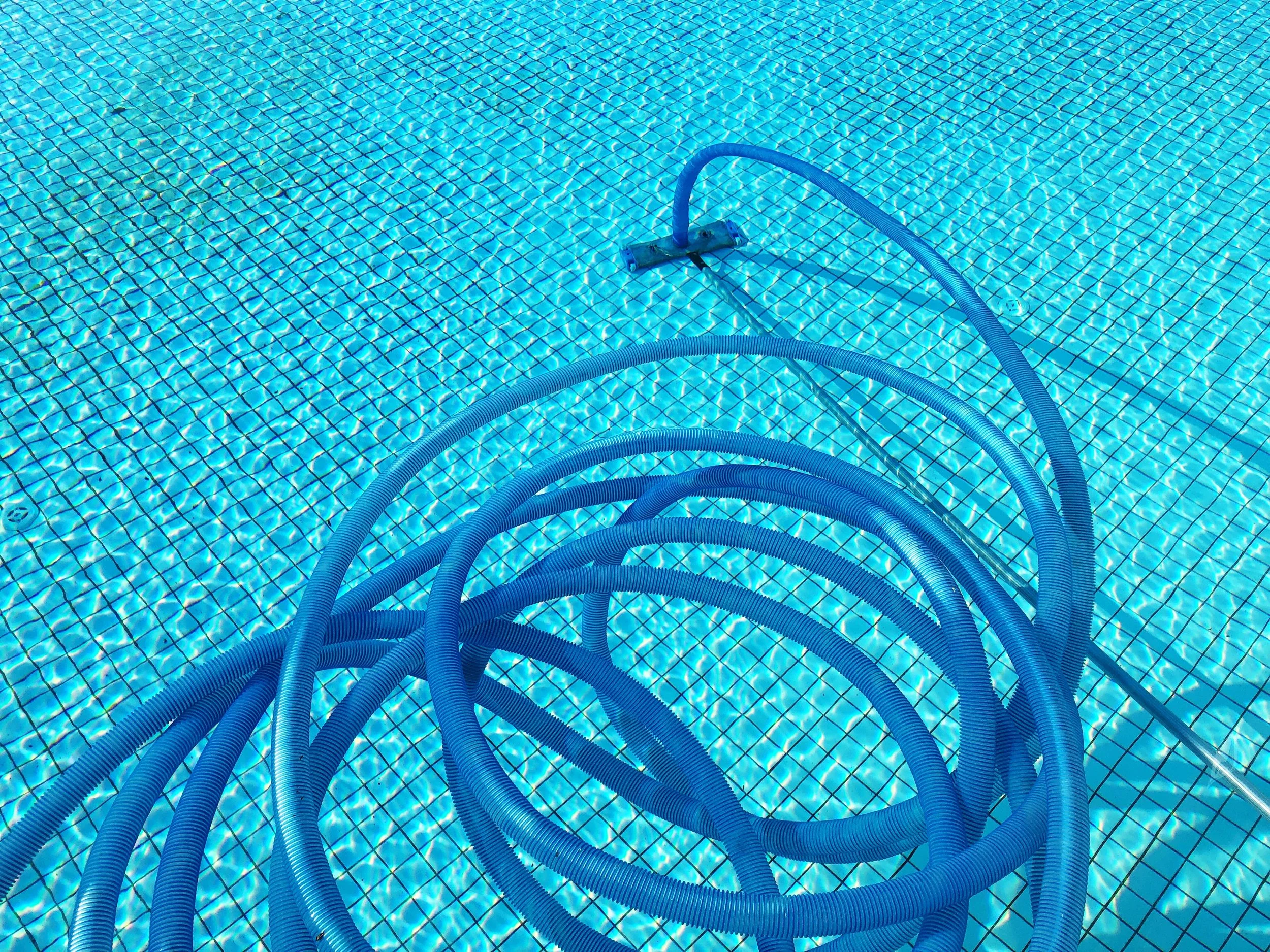
Pools in Chandler overflow during a significant monsoon storm. That is normal and expected. What is less expected is what happens to the pool plumbing equipment when large volumes of debris-laden water run through the drainage around the equipment pad.
We see pool equipment pad connections showing wear after monsoon events every year. The rapid water flow around the pad can shift the ground slightly, which puts stress on the rigid PVC connections between the pump, filter, and supply lines. Unions that were already slightly loose can become weeping after a storm event moved the ground around them.
A quick visual check of the equipment pad connections after the first major storm of the season, looking for any drips at unions or fittings, takes about five minutes and catches issues before they become a significant pool pump pad leak.
Before the First Storm
Run water into every floor drain in the house and garage. Walk the yard and confirm cleanout caps are intact and capped properly. Look at outdoor hose bibbs and irrigation connections for any that were already showing signs of wear. Check the equipment pad area if you have a pool.
None of this takes more than an hour and it covers the most common sources of the calls we get after monsoon events. If you want us to do a more thorough pre-monsoon plumbing walkthrough, we are happy to do that. It is a service visit that makes more sense in June than in the middle of August when the issue has already surfaced.
Call us at 480-869-6952 or reach out online. We are in Chandler and serve the surrounding East Valley. Pricing is always discussed before work begins.