Found a Water Leak in Your Home? Here Is How to Know What You Are Actually Dealing With.
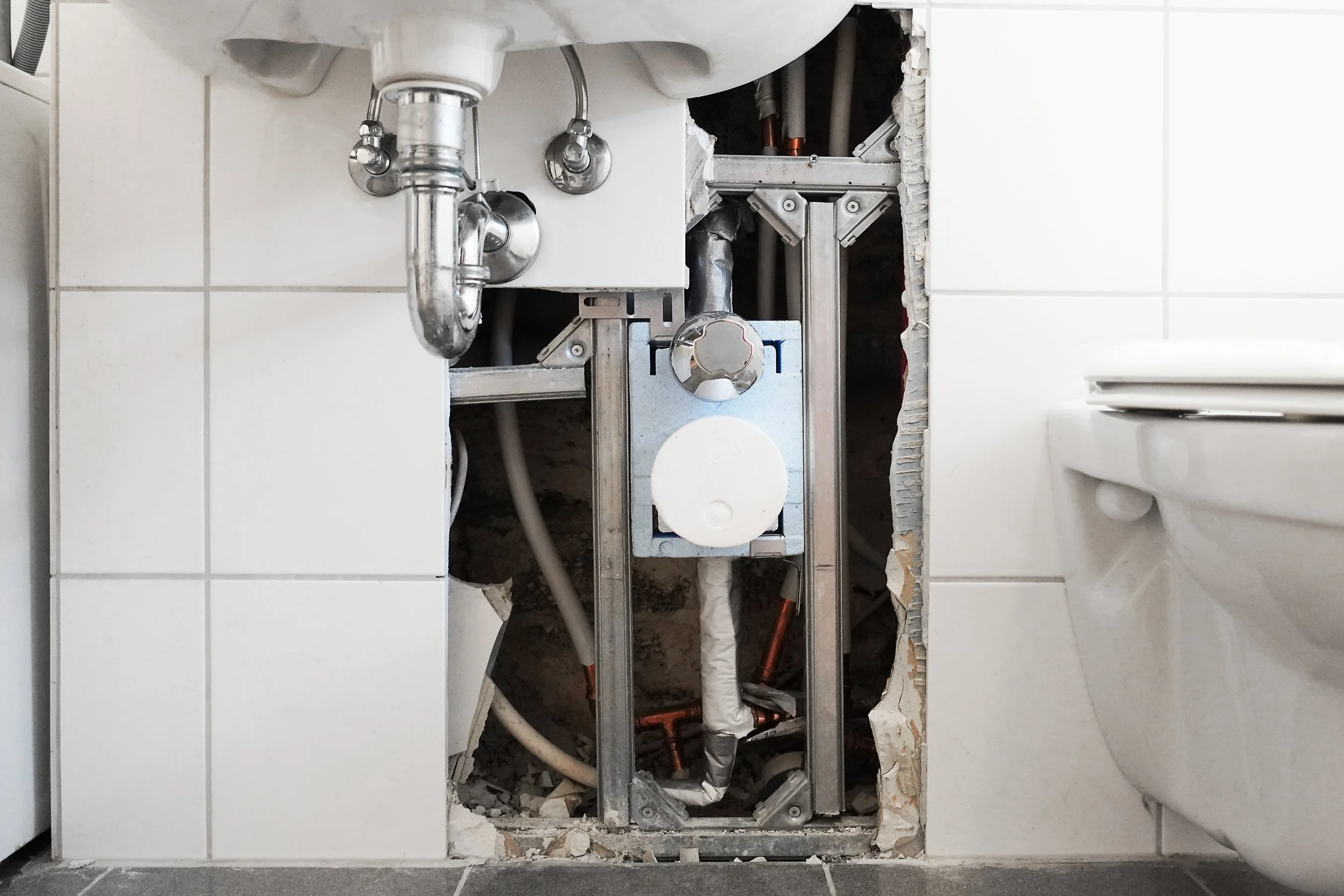
A homeowner called us after noticing a damp spot on the ceiling of his home office. He had looked in the bathroom directly above it, found nothing obvious, and figured it was probably nothing serious. That was three weeks before he called. By the time we got there, the drywall on the ceiling had softened across an area larger than the original spot and there was early mold forming at the edge of it.
The leak was at a supply line fitting inside the wall behind the toilet upstairs. Small drip, steady, every time the toilet was used. Three weeks of that had done a meaningful amount of damage to the ceiling below it, and the repair cost more than it would have if he had called when he first noticed something was off.
Water leaks inside a home are not all the same. Where the water is coming from, how it is traveling, and what has been in contact with it determines what the repair involves and what else needs to be dealt with alongside the plumbing fix. Knowing the difference matters.
The Two Places Leaks Hide in a Chandler Home
Most residential leaks fall into two categories. Leaks in supply or drain lines running inside walls, ceilings, or under floors above grade, and leaks in supply lines running under or through the concrete slab foundation. Both can go on for a long time without being obvious from the surface. They cause different kinds of damage and they require different approaches to find and fix.
Inside-wall leaks are more common in two-story homes where plumbing runs between floors, in bathrooms where supply connections to fixtures are inside wall cavities, and anywhere a fitting or valve has degraded behind finished surfaces. Slab leaks are specific to homes where supply lines run under the concrete foundation, which is most single-story slab construction in Chandler. The slab leak article on this blog covers detection signs for that specific situation in more detail. This article is about what happens once you know you have a leak and what fixing it actually involves.
What We Look at Before We Open Anything
We use moisture meters and thermal imaging before recommending anyone cut into a wall or open concrete. A moisture meter tells us where water has migrated. Thermal imaging shows temperature differences that indicate where a supply line is running warm or where moisture has accumulated. Together those tools let us narrow down the location of the leak before we access anything.
The reason this matters is that water travels. The visible sign of a leak, a stain on a ceiling, a soft spot on a wall, a patch of discolored flooring, is almost never directly over the source. Water moves down and sideways through whatever material it contacts. A ceiling stain ten feet from the bathroom above it is not unusual. Going straight for the stain without knowing where the water came from results in cutting into the wrong section of wall.
We have been on jobs where another plumber had already opened the wall at the visible damage and found nothing, because the actual leak was several feet away and the water had traveled before showing up. Detection work first. Every time.
Inside Wall and Ceiling Leaks: What the Repair Looks Like
Once we have located the source, we open the minimum area needed to access it. For a supply line leak at a fitting inside a wall, that is typically a section of drywall cut out at the fitting location. We repair the fitting or replace the affected section of pipe, pressure test the repair, and then the drywall gets patched.
The plumbing part of this is usually not the longest portion of the job. What takes more time is the assessment of what the water has done to the surrounding material. Insulation that has been wet needs to come out. Drywall that has absorbed water needs to be removed and replaced, not just dried, because paper-faced drywall that has been wet for any period of time is a mold substrate and it does not recover by drying out.
If the area has been wet long enough for mold to start, we document what we find and flag it clearly so the homeowner can decide how to handle remediation before the wall gets closed back up. Patching over mold growth is not a finished job and we do not do it.
Drain line leaks are a variation of the same situation but with different urgency. A supply line under pressure leaks continuously. A drain line only leaks when water is running through it, and the leak is wastewater rather than clean supply water. Both need to be addressed but a drain leak that is caught early tends to be more contained than a pressurized supply line leak at the same location.
Slab Leaks: The Repair Options and What Drives the Choice
When detection confirms a supply line leak under the slab, there are typically three directions the repair can go. A targeted spot repair through the slab directly above the leak, rerouting the line through the walls above grade to bypass the slab section entirely, or pipe lining if the pipe condition makes that a viable option.
A spot repair makes sense when the leak is localized, the pipe is otherwise in decent condition, and the location does not require cutting through tile, finished flooring, or other surfaces that would make the access cost disproportionate to the plumbing repair. We expose the concrete, make the repair, and patch it back.
A reroute makes sense when the pipe material is old copper that has been carrying Chandler hard water for thirty or forty years. Fixing one pinhole on a line that is going to develop another one somewhere else in a year or two is spending money to delay the inevitable. Rerouting brings new pipe through the walls and eliminates the slab section entirely. The slab never gets touched again for that line.
Pipe lining works when the camera confirms the pipe has enough structural integrity to accept a liner. A resin-coated liner gets inserted through the existing pipe and cured in place, creating a new sealed surface inside the old one. No slab access required. Not every situation qualifies and we tell homeowners clearly when it does and when it does not.
The Damage Conversation Is Separate From the Plumbing Conversation
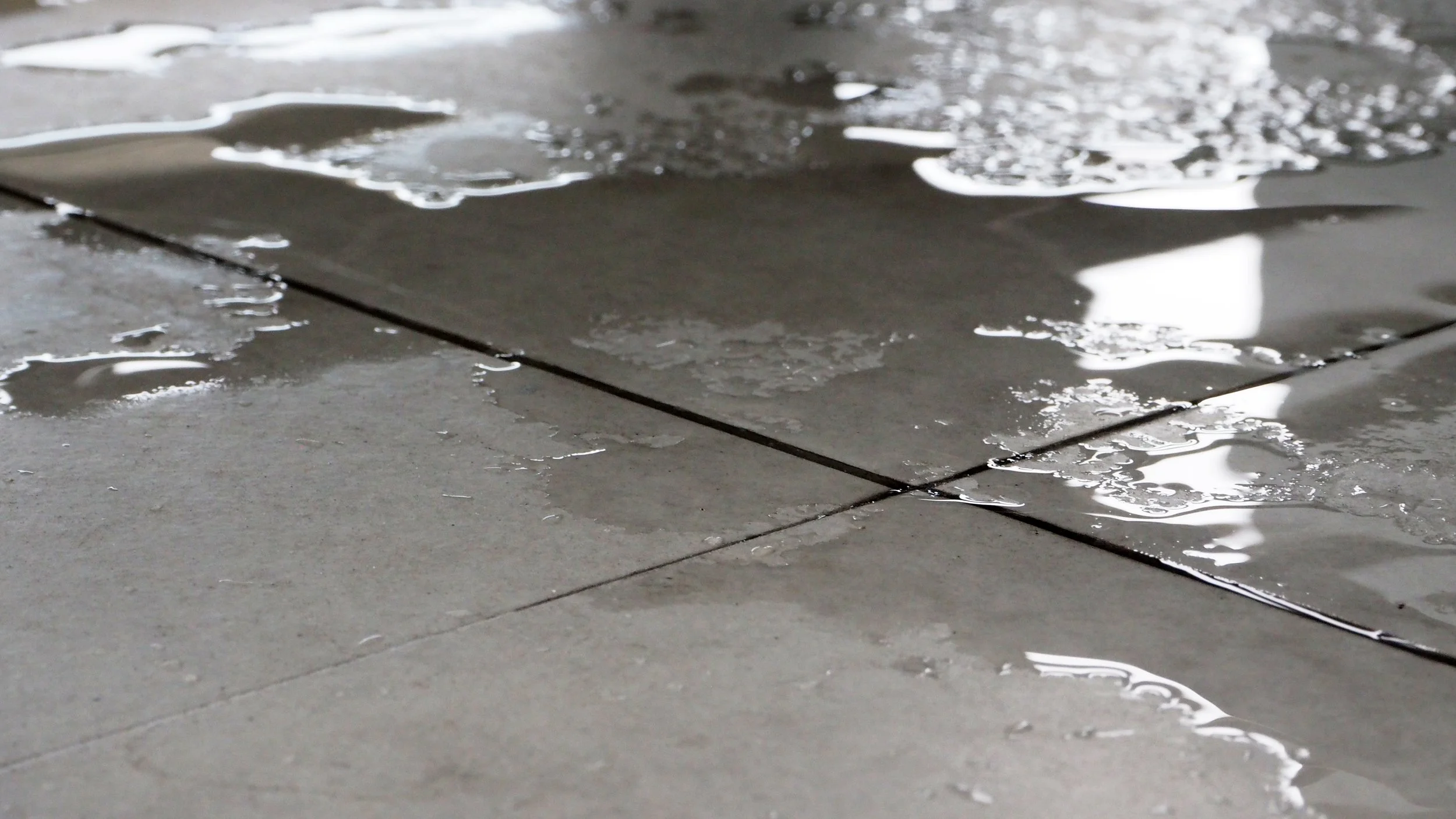
This is the part that surprises homeowners who have not dealt with a water leak before. The plumbing repair stops the water. It does not reverse what the water has already done. Flooring that absorbed water, drywall that got wet, insulation that soaked up moisture, subfloor that has been in contact with a slow leak for weeks or months, all of that is a separate scope of work from the pipe fix.
We document what we find in the affected area and tell homeowners what needs to come out before surfaces get rebuilt. Sometimes the answer is relatively contained. Sometimes, if a leak has been running for a long time before anyone noticed, the answer is more involved than anyone expected.
The cases where secondary damage is extensive are almost always the ones where the initial sign was noticed and not acted on for a few weeks or more. The plumbing repair at week one looks the same. The surrounding damage does not.
Call us at 480-869-6952 or reach out online. We are in Chandler and we run detection before we recommend opening anything. Pricing is discussed before any work starts.