
Winterize Home Plumbing: Essential Checklist
Winter Plumbing Checklist for Homeowners
Preparing your plumbing before freezing weather arrives helps prevent burst pipes, water damage, and costly emergency repairs. This guide explains how to winterize home plumbing in practical steps, from insulating vulnerable pipes to protecting outdoor faucets and checking your water heater. Use it before the first hard freeze, then repeat key checks throughout the season if temperatures stay low.
What does it mean to winterize plumbing?
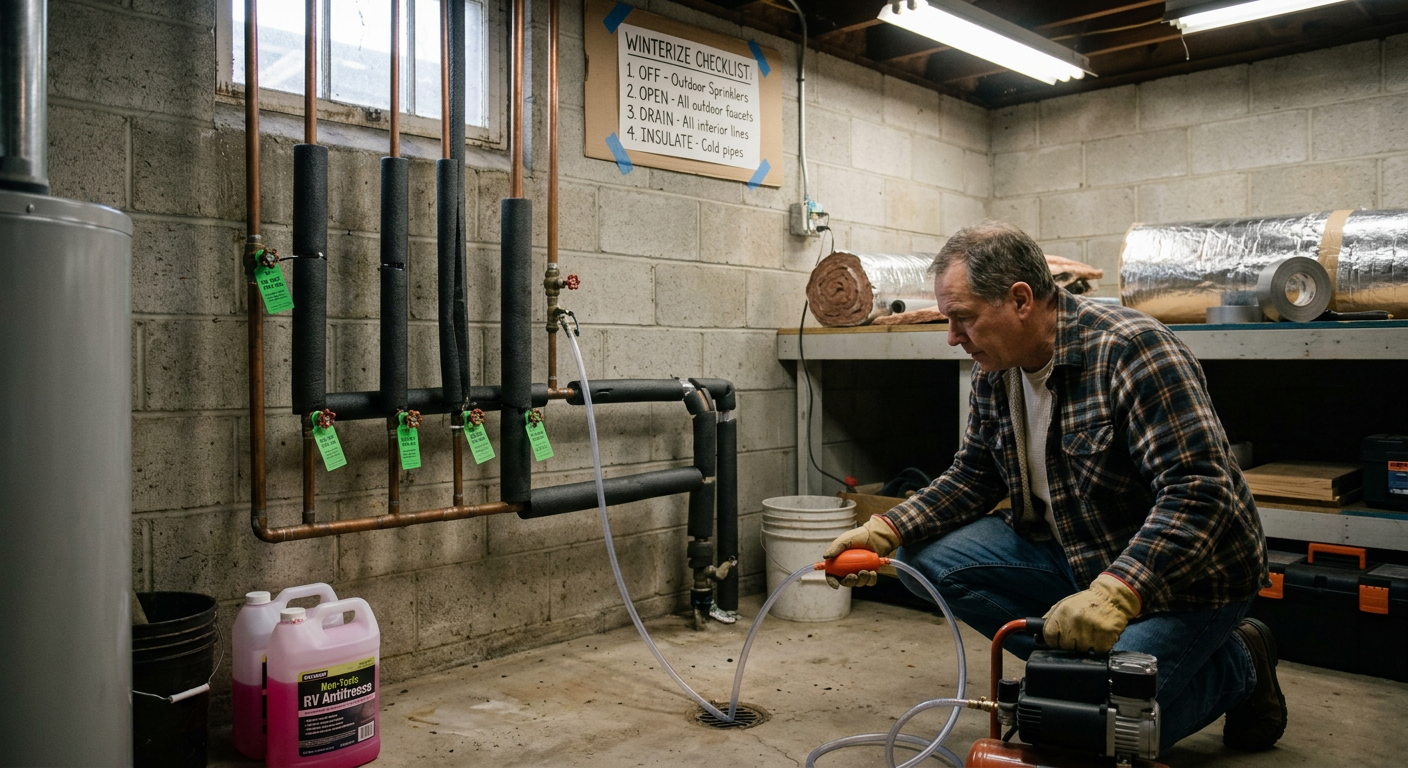
To winterize plumbing means to protect pipes, fixtures, drains, and water-using appliances from freezing temperatures and seasonal strain. Water expands when it freezes, and that pressure can crack pipes, split hose bibs, damage valves, and create leaks that may not show up until the ice thaws. A good winter plumbing checklist focuses on three goals: keep water moving where it should, keep cold air away from pipes, and make sure you can shut water off quickly if something goes wrong.
Winter plumbing preparation matters most in unheated, underheated, or drafty areas. Basements, crawl spaces, garages, attics, exterior walls, and outdoor connections are common trouble spots. Even homes in milder climates can have problems during a sudden cold snap, especially if pipes were not installed with freezing weather in mind.
Start with a whole-home plumbing inspection
Walk through the house before winter weather sets in and look for small issues that could become major problems under freezing conditions. A slow drip, loose connection, or poorly sealed gap may seem minor in fall, but cold weather can make weaknesses worse. Give yourself enough time to make simple repairs before supplies sell out or plumbers become busy during storms.
Use this inspection checklist as a starting point:
Look for visible leaks under sinks, around toilets, near the water heater, at shutoff valves, and along exposed pipes.
Check water pressure changes that could suggest buildup, valve issues, or hidden leaks.
Test shutoff valves at sinks, toilets, appliances, hose bibs, and the main water line so you know they turn properly.
Find your main water shutoff and make sure everyone in the home knows where it is.
Seal drafts around pipe openings, rim joists, crawl space vents, and garage walls where cold air can reach plumbing.
Inspect appliance hoses on washing machines, dishwashers, refrigerators, and water softeners for bulges, cracks, or loose fittings.
If you find corrosion, repeated leaks, a valve that will not move, or pipes that look damaged, handle those repairs before freezing weather arrives. Winterizing works best when the plumbing system is already in good condition.
Insulate pipes in vulnerable spaces
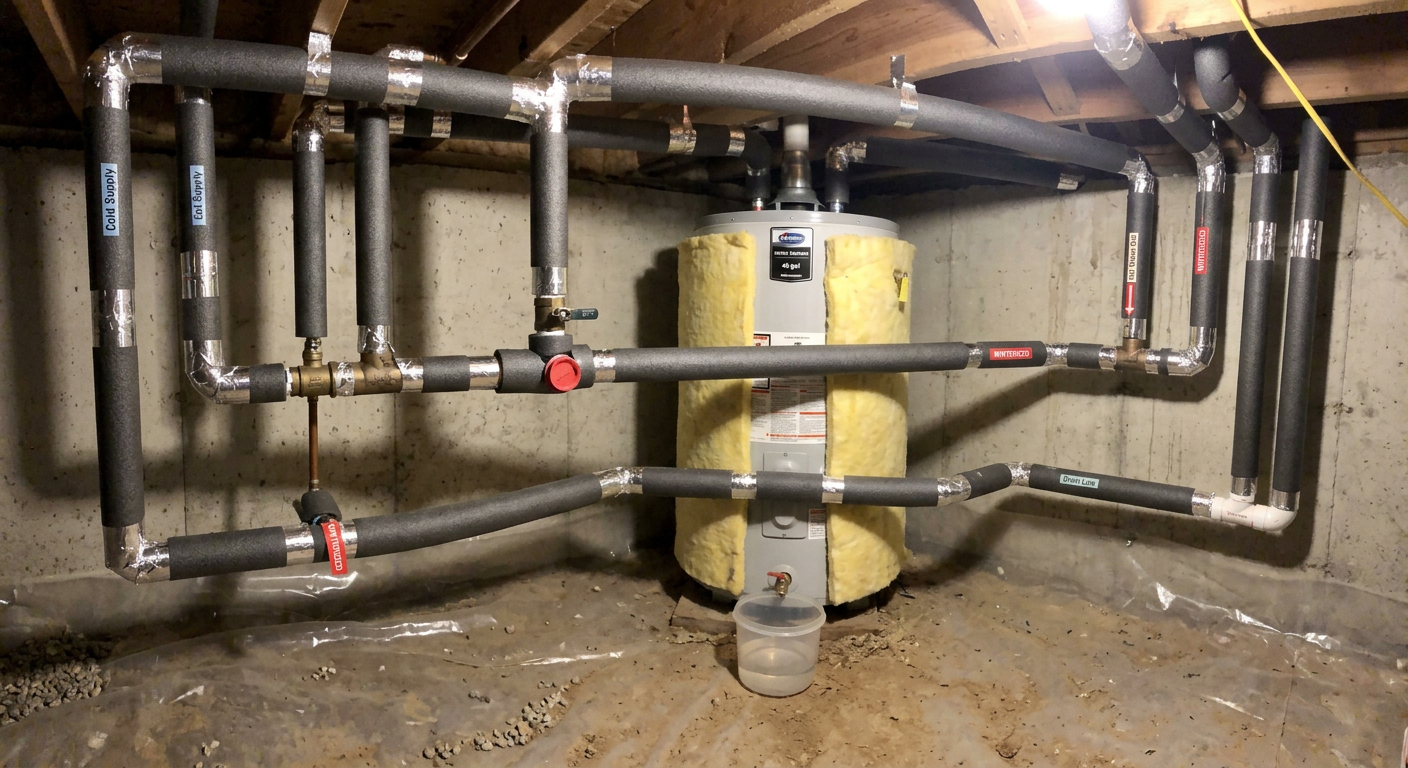
Pipe insulation is one of the simplest ways to winterize home plumbing. Foam sleeves, fiberglass wrap, and other pipe insulation products help slow heat loss and reduce the chance of freezing. Focus first on pipes in unconditioned or lightly heated spaces, because those lines face the greatest exposure.
Pay close attention to pipes in crawl spaces, garages, unfinished basements, attics, exterior walls, and cabinets along outside walls. Insulation should fit snugly around the pipe without large gaps. Elbows, corners, valves, and short pipe runs are easy to miss, but they can freeze just as easily as long straight sections.
Insulation does not create heat; it only helps retain it. If a pipe is in an extremely cold location, you may also need to improve air sealing, add safe heat to the space, or consider heat cable rated for plumbing use. Always follow product instructions and avoid unsafe heating methods near combustible materials.
How do you protect outdoor faucets and hose bibs?
Outdoor faucets are among the first plumbing components to freeze because they are directly exposed to cold air. To protect them, disconnect garden hoses, drain remaining water, shut off interior supply valves if available, and cover the faucet with an insulated outdoor cover. Leaving a hose attached can trap water in the faucet assembly and increase the risk of cracking.
Follow these steps before the first freeze:
Remove all hoses from outdoor spigots, even if the hose is labeled weather resistant.
Drain the hose and store it in a garage, shed, or other protected area.
Close the indoor shutoff valve for each outdoor faucet if your home has one.
Open the outdoor faucet after closing the indoor valve to let remaining water drain out.
Install an insulated faucet cover to reduce direct exposure to cold air.
Check frost-free hose bibs for proper drainage and remove attached accessories.
Sprinkler systems, outdoor kitchens, pool lines, and detached garage plumbing may need separate winterization. If those systems have backflow preventers, pumps, or underground lines, follow the manufacturer’s guidance or contact a qualified professional.
Keep indoor pipes warm during cold snaps
When temperatures drop sharply, your daily habits can help prevent frozen pipes. Keep the thermostat set consistently, especially overnight, and avoid turning the heat too low when you leave home. Open cabinet doors under sinks on exterior walls so warm room air can circulate around supply lines.
During severe cold, letting faucets drip slightly can help reduce freezing risk in vulnerable lines. The goal is not to waste large amounts of water, but to keep a small amount of movement through pipes that may otherwise sit still in freezing conditions. Use this approach selectively for fixtures served by pipes in exterior walls, crawl spaces, or other exposed locations.
Also keep garage doors closed if water lines run through the garage. If you have plumbing in a crawl space, make sure access doors are secure and obvious drafts are sealed. Small temperature differences can matter when wind pushes freezing air into gaps around pipes.
Prepare water heaters, drains, and appliances
Winter plumbing preparation is not only about supply pipes. Your water heater works harder when incoming water is colder, and drains may see more use during holidays, guests, and indoor routines. A basic seasonal check helps the whole system perform more reliably.
For the water heater, look for leaks, rust, unusual noises, or inconsistent hot water. Make sure the area around the unit is clear and that the temperature setting is appropriate for your household. If you have not maintained the unit recently, consider scheduling service rather than waiting until the middle of winter.
Drains also deserve attention. Avoid pouring grease, fats, or heavy food scraps down kitchen drains, especially during holiday cooking. In bathrooms, clear hair from drains and watch for slow flow, which can indicate buildup. A clog is inconvenient at any time, but it becomes more stressful when winter weather makes service visits harder.
Check these appliance-related items as part of your winterize plumbing routine:
Washing machine hoses are secure and in good condition.
Dishwasher and refrigerator water lines show no kinks or leaks.
Sump pump discharge lines are clear and directed away from the foundation.
Floor drains are unobstructed in basements or utility rooms.
Humidifiers connected to plumbing are clean and functioning properly.
Know what to do if a pipe freezes
A frozen pipe needs careful handling. If you turn on a faucet and only a trickle comes out during freezing weather, suspect ice somewhere in the line. Keep the faucet open, because flowing water can help relieve pressure as the pipe begins to thaw.
Warm the area slowly with safe methods such as warm towels, a hair dryer, or increased room heat. Never use an open flame, torch, or high-heat device on plumbing. If you cannot access the frozen section, if the pipe is cracked, or if water starts leaking, shut off the main water supply and call a professional.
After thawing, inspect nearby pipes, walls, ceilings, and floors for moisture. Some freeze damage appears only after water starts moving again. Catching a small leak quickly can reduce damage and make repairs simpler.
A practical winter plumbing checklist
Use this condensed checklist when cold weather is approaching:
Locate and label the main water shutoff valve.
Repair known leaks before temperatures drop.
Insulate exposed pipes in basements, garages, crawl spaces, attics, and exterior walls.
Seal gaps where cold air reaches plumbing.
Disconnect, drain, and store garden hoses.
Shut off and drain outdoor faucets where possible.
Add insulated covers to exterior hose bibs.
Keep indoor heat consistent during freezing weather.
Open sink cabinets on exterior walls during cold snaps.
Let vulnerable faucets drip slightly in a severe cold.
Keep garage doors closed if plumbing runs through the garage.
Check the water heater, appliance hoses, sump pump, and drains.
Make a plan for vacations or extended time away.
Plan ahead before leaving home in winter
If you travel during winter, plumbing preparation becomes even more important. Set the thermostat high enough to protect the home, ask someone to check the property if you will be gone for several days, and consider shutting off the main water supply if appropriate for your situation. If your home has a boiler, fire sprinkler system, humidifier, or other equipment that depends on water, get professional guidance before shutting anything off.
A little preparation can prevent a stressful return. Winterize plumbing early, keep the checklist visible, and revisit vulnerable areas after storms or extreme temperature swings. The best time to protect your plumbing is before the forecast turns urgent.
Call us at 480-869-6952 or contact us online. We are at 434 N. San Marcos Place in Chandler and we are set up to work with business and commercial accounts directly.
