
DIY vs. Professional Drain Cleaning Solutions
DIY vs. Professional Drain Cleaning Solutions
A slow drain can turn a normal day into a frustrating one fast. Some clogs are simple enough to handle with a plunger, hot water, or a little patience, while others need trained help, better tools, and a safer approach. This guide breaks down Drain cleaning services in Chandler, AZ: DIY vs. professional solutions so you can decide when to try a quick fix and when to call for local drain cleaning support.
What drain problems can you safely handle yourself?
You can usually handle minor, early-stage drain problems yourself when the water is still moving, there is no sewage backup, and the issue appears limited to one sink, tub, or shower. DIY drain cleaning works best for soft blockages near the drain opening, such as hair, soap buildup, food scraps, or small amounts of grease. The key is knowing when a clog is simple and when it may be a warning sign of something deeper in the plumbing system.
A bathroom sink draining slowly because of hair and soap residue is often a good DIY candidate. A kitchen sink that smells bad after food debris sits in the drain may also respond to basic cleaning. But if several drains are slow at once, water is backing up into another fixture, or you hear gurgling after flushing a toilet, the problem may be farther down the line.
It helps to think of DIY work as first aid, not surgery. You are trying to clear a small obstruction, improve flow, and prevent buildup from getting worse. If the drain does not respond quickly, forcing the issue can make the problem more expensive.
Simple DIY drain cleaning methods that often work
Before reaching for aggressive chemicals or taking pipes apart, start with gentle methods. Many everyday clogs loosen with mechanical pressure, careful removal, or flushing. These approaches are also less likely to harm older pipes or create fumes inside your home.
Here are practical DIY methods to try first:
Use a plunger correctly. Create a tight seal over the drain, add enough water to cover the cup, and use steady pressure rather than wild force. For sinks with overflow openings, covering the overflow can improve suction.
Remove visible debris. Hair and grime often collect just below a bathroom drain cover. If you can safely access the buildup with a plastic drain tool or gloved hand, remove it slowly and dispose of it in the trash.
Flush with hot water. Hot water can help loosen soap residue and light grease buildup. Avoid boiling water if you are unsure about pipe material or if the fixture is delicate.
Clean the stopper. Sink stoppers can trap a surprising amount of sludge. Pulling and cleaning the stopper may solve a slow drain without touching the pipes.
Try baking soda and vinegar for odor. This mixture can help freshen a drain and loosen light residue, though it is not a miracle fix for serious clogs.
These methods are best for maintenance and mild blockages. If water is standing and not moving at all, or the clog keeps coming back after a day or two, the obstruction may be compacted or located deeper in the line.
The risks of doing too much yourself
DIY drain cleaning becomes risky when you keep escalating without knowing what is causing the blockage. A clog may seem like a simple nuisance, but the drain line could be affected by grease buildup, tree roots, damaged pipe, settled debris, or an issue in the main sewer line. Without proper inspection tools, you are working partly by guesswork.
Chemical drain cleaners are one of the biggest concerns. They may seem convenient, but they can be harsh on pipes, fixtures, and anyone nearby. If they fail to clear the clog, you may be left with standing water that now contains chemicals, making the next step more difficult and unpleasant.
Overusing a drain snake can also create problems. A small hand snake may punch through part of a clog without removing the buildup around it, which means the drain slows again soon after. Used incorrectly, it can scratch fixtures, get stuck, or damage pipe interiors.
DIY work can also delay the right solution. If a main line is partially blocked, repeated plunging or pouring products down the drain may not address the real problem. Meanwhile, pressure can build and wastewater may find another place to escape.
When is professional drain cleaning the better choice?
Professional drain cleaning is the better choice when the clog is severe, recurring, affecting multiple drains, or connected to unpleasant smells, backups, or strange plumbing sounds. A professional can identify whether the issue is near the fixture or deeper in the drain system, then use the right equipment to clear it more thoroughly. If you are dealing with urgent overflow or wastewater, emergency drain cleaning is usually the safer route.
One common sign that you need help is a recurring clog. If the same shower, sink, or toilet slows down again and again, the visible blockage may only be part of the problem. There could be buildup along the pipe walls, a venting issue, or a deeper obstruction that DIY methods cannot fully remove.
Multiple slow drains are another red flag. If the tub fills when the toilet flushes or a sink gurgles when the washing machine drains, the problem may involve a shared line. In that situation, clearing only one fixture will not solve the underlying issue.
Professional drain cleaners can also help prevent guesswork. Instead of trying product after product, they can use inspection and cleaning tools designed for the specific problem. That can save time, reduce mess, and help protect your plumbing from unnecessary damage.
What professionals bring to the job
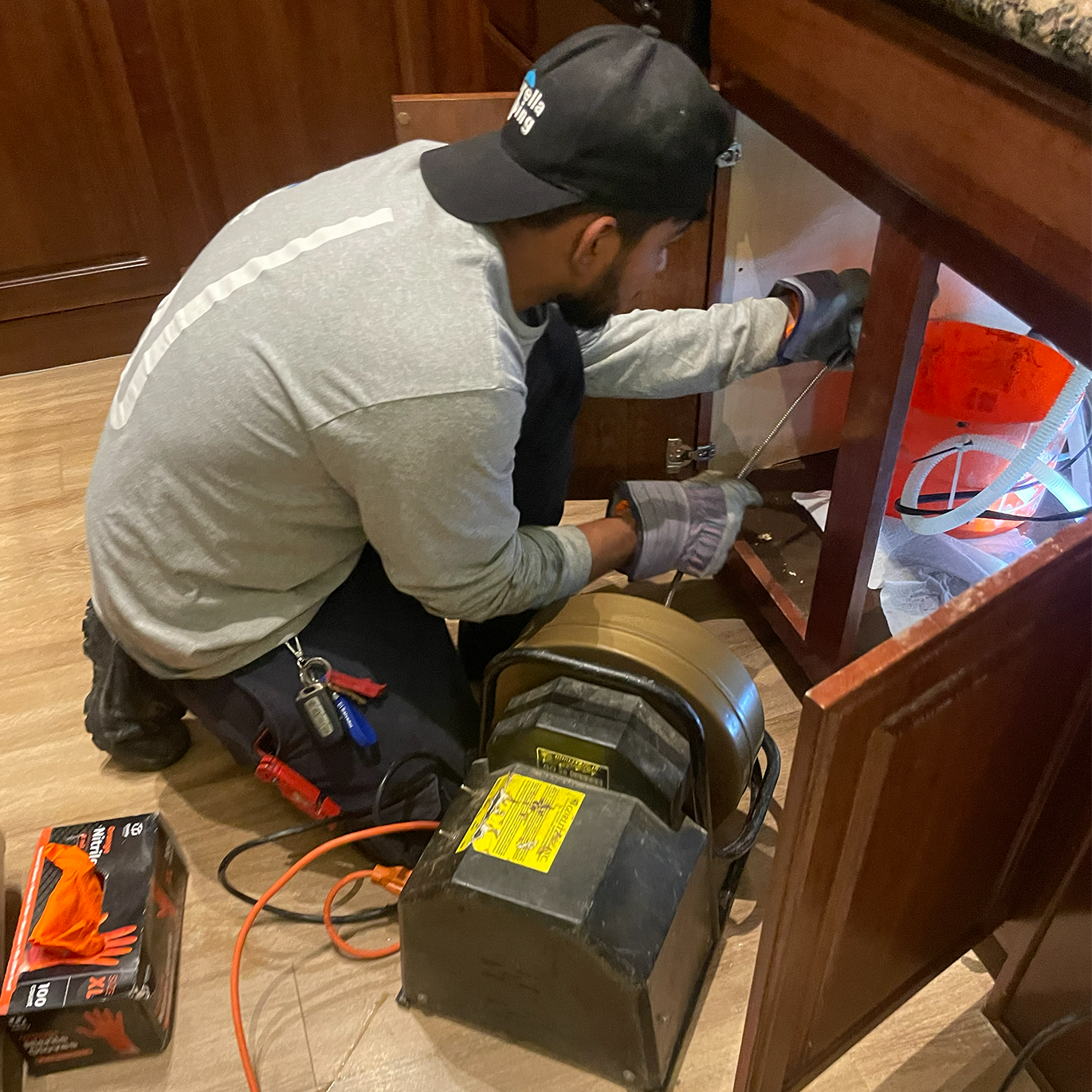
A big difference between DIY and professional drain cleaning is the quality of diagnosis. At home, you can see the symptom: standing water, slow drainage, odor, or backup. A trained technician looks for the cause and chooses a method based on the type of drain, the likely obstruction, and the condition of the plumbing.
Professional equipment may include powered augers, drain machines, hydro jetting tools, and camera inspection equipment. Not every clog needs every tool, and that is part of the value. The goal is not just to make water disappear for the moment, but to clear the line in a way that matches the problem.
For example, a kitchen line with heavy grease may need a different approach than a bathroom line packed with hair. A main line affected by roots or debris may require even more careful handling. Local drain cleaning providers also understand common household plumbing patterns in the area, which can help them ask better questions and narrow down the issue faster.
Professional service also matters when cleanliness and safety are concerns. Wastewater backups, foul odors, and overflow situations are not just inconvenient. They can expose your home to unsanitary conditions, and cleanup becomes part of the overall problem.
Special considerations for Chandler homeowners
Homeowners looking for drain cleaning services chandler az often want a quick answer because plumbing problems rarely happen at a convenient time. Local conditions, home age, water quality, landscaping, and usage habits can all affect drains. Even everyday routines, like rinsing grease down the kitchen sink or letting hair collect in the shower, can slowly create bigger blockages.
In many Arizona homes, mineral buildup and hard-water residue can contribute to scale inside fixtures and plumbing components. That does not mean every clog is caused by water quality, but it does mean regular maintenance is worth taking seriously. Drains work best when small amounts of buildup are managed before they become stubborn restrictions.
Landscaping can also matter. Tree and shrub roots naturally seek moisture, and sewer lines can become vulnerable if there are cracks, joints, or weak points. If a drain problem repeats even after basic cleaning, the issue may not be inside the fixture at all.
This is where local drain cleaning support can be useful. A provider familiar with the area can talk through the symptoms, ask whether the problem is isolated or widespread, and recommend whether routine service or emergency drain cleaning makes more sense.
Prevention is easier than clearing a clog
The best drain problem is the one that never turns into a backup. Good habits will not stop every plumbing issue, but they reduce the amount of debris, grease, and residue moving through your pipes. Think of prevention as a low-effort routine that keeps small annoyances from becoming weekend disasters.
Use this simple checklist to protect your drains:
Keep grease out of the sink. Let fats, oils, and grease cool, then throw them away instead of rinsing them down the drain.
Use drain screens. Screens catch hair, food particles, and debris before they enter the line.
Run plenty of water. After using the garbage disposal, run water long enough to move small particles through the drain.
Avoid treating toilets like trash cans. Flush only appropriate waste and toilet paper.
Clean stoppers and strainers regularly. A few minutes of cleaning can prevent slow drainage.
Pay attention to early warning signs. Gurgling, odors, and repeated slow drains deserve attention before they become backups.
Prevention is especially helpful in busy households where drains get heavy daily use. A bathroom shared by several people can collect hair quickly. A kitchen used for frequent cooking can develop grease and food buildup faster than expected.
Choosing a drain cleaning company without overthinking it
If you decide professional help is the right move, a little preparation can make the call smoother. You do not need to diagnose the problem yourself, but clear details help the technician understand what might be happening. Be ready to describe where the clog is, when it started, whether any other drains are affected, and what you have already tried.
When comparing options, look for a company that explains its process in plain language. You should feel comfortable asking what method they recommend and why. A good provider will not need to scare you into a decision; they should help you understand the likely issue and the next practical step.
It is also worth asking about availability if the situation is urgent. A slow sink can usually wait for a normal appointment, but overflowing water, sewage smells, or backups into tubs and showers may need emergency drain cleaning. In those cases, speed matters because the problem can affect floors, walls, belongings, and sanitation.
Before the appointment, clear the area around the affected fixture if you can do so safely. Move items from under sinks, keep pets away from the workspace, and stop using nearby fixtures if water is backing up. If you used any chemical drain cleaner, tell the technician right away.
The smartest approach is knowing your limit
DIY and professional drain cleaning both have a place. For a small, obvious clog, basic home methods can be quick, inexpensive, and effective. For recurring, severe, or messy problems, professional service is often the safer and more complete solution.
The main thing is not to turn a manageable clog into a bigger repair by pushing too far. Start gently, avoid harsh shortcuts, and watch how the drain responds. If the problem does not clear quickly or comes back, it is time to get help.
For homeowners comparing Drain cleaning services in Chandler, AZ: DIY vs. professional solutions, the best choice depends on the symptoms in front of you. Handle the simple stuff with care, but do not hesitate to call a local drain cleaning professional when the signs point to a deeper problem. Clean drains are easy to take for granted, but when they stop working, choosing the right solution makes all the difference.
