
Best Reverse Osmosis Filter System in Chandler
Choosing the Best Reverse Osmosis System in Chandler
Choosing a reverse osmosis system in Chandler is about more than picking a filter off the shelf. Local homes often need a drinking water solution that can handle mineral-heavy water, improve taste, and fit daily kitchen use without becoming a maintenance headache. This guide walks through what reverse osmosis does, what features matter, and how to compare options with confidence.
What should you look for in a reverse osmosis system?
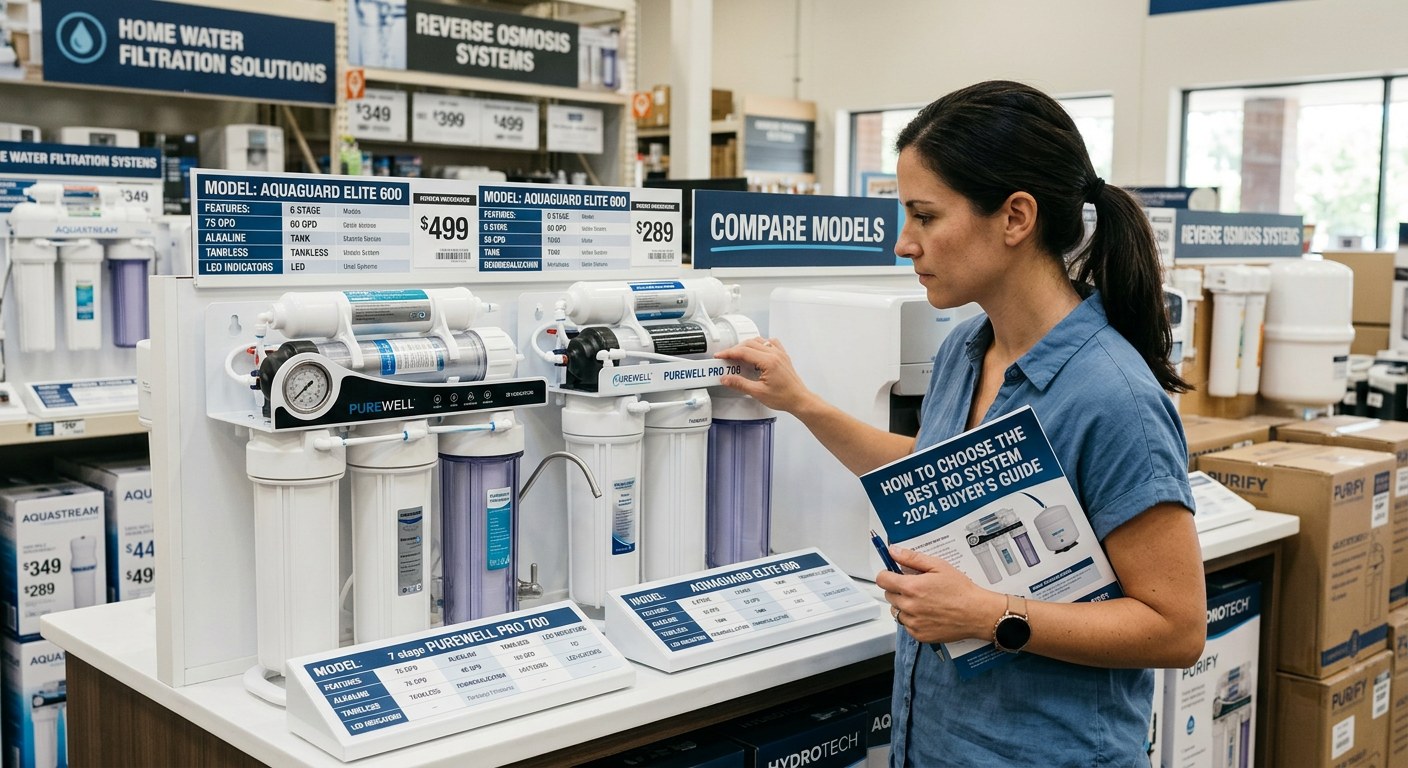
A good reverse osmosis system should improve the taste, smell, and overall quality of your drinking water while matching your household’s space, usage, and maintenance preferences. The right choice depends on how much filtered water you use, where the system will be installed, how many filtration stages it has, and whether you want added features such as remineralization or leak protection.
For many Chandler homeowners, the biggest priority is simple: better water at the tap. Reverse osmosis is commonly installed under the kitchen sink because that is where families drink water, fill coffee makers, cook pasta, rinse produce, and fill reusable bottles. Instead of filtering water throughout the entire house, an RO system focuses on high-quality drinking and cooking water right where you need it most.
A reverse osmosis filter system Chandler homeowners choose should also be practical. If replacement filters are difficult to access, if the tank is too large for the cabinet, or if the flow rate feels too slow, even a technically capable system can become frustrating. The best system is not always the most complicated one. It is the one that fits your home, your water habits, and your willingness to maintain it.
Why reverse osmosis makes sense for Chandler homes
Chandler’s desert environment makes water quality a common household conversation. Many residents notice hard water effects, mineral taste, or residue around fixtures and appliances. While a water softener can help with hardness throughout the home, it does not serve the same purpose as a drinking water filter. That is where reverse osmosis often becomes useful.
Reverse osmosis uses pressure to push water through a semi-permeable membrane. This membrane helps reduce many dissolved solids and other unwanted substances that standard pitcher filters or basic faucet filters may not address as thoroughly. The result is water that often tastes cleaner and feels better suited for drinking, ice, coffee, tea, baby formula preparation, and cooking.
It is important to think of RO as a targeted drinking water solution, not a magic cure for every plumbing concern. If your main issue is scale buildup in showers, toilets, and water heaters, you may also need a water softener or whole-home treatment strategy. If your main issue is the taste of tap water at the kitchen sink, a reverse osmosis system may be the more direct answer.
How a reverse osmosis filter works
A typical reverse osmosis filter system uses several stages. Each stage has a job, and together they help protect the membrane while improving the final water quality. The exact configuration varies, but most under-sink units follow a similar pattern.
Common RO stages include:
Sediment pre-filter: Captures larger particles such as sand, dirt, or rust that could clog later stages.
Carbon pre-filter: Helps reduce chlorine taste and odor while protecting the RO membrane from chemicals that may shorten its life.
RO membrane: The core of the system, designed to reduce many dissolved substances in the water.
Storage tank: Holds filtered water so it is ready when you open the dedicated faucet.
Post-carbon filter: Polishes the water before it reaches your glass, often improving final taste.
Optional remineralization stage: Adds select minerals back into the water for taste and balance.
This layered process is one reason RO systems are popular for drinking water. Each stage supports the next. The pre-filters protect the membrane, the membrane handles fine filtration, and the final filter improves the water before use.
That said, more stages do not automatically mean better performance. A well-built four- or five-stage system can outperform a poorly designed unit with extra cartridges added mostly for appearance. Look at what each stage actually does, how often it needs replacement, and whether it addresses a real concern in your home.
Key features that matter most
When comparing options, it is easy to get pulled into technical claims. A simpler approach is to focus on how the system will work in your kitchen every day. The best reverse osmosis system is one you barely have to think about once it is installed.
Start with capacity. A small household may be comfortable with a standard under-sink tank, while a larger family may want a system with stronger daily production and faster recovery. If you regularly fill large water bottles, cook often, or use filtered water for pets, capacity matters more than it might seem at first.
Next, consider water flow. Some RO systems produce excellent water but dispense slowly, especially when the storage tank is low. Higher-flow systems or tankless models may be worth considering if you dislike waiting at the faucet. Tankless systems can also save cabinet space, though they may require an electrical connection depending on the model.
Maintenance is another deciding factor. Filters are not permanent. A system with easy-change cartridges can be more convenient than one that requires tools, towels, and patience every time a filter needs replacing. Before buying, check how many cartridges the system uses and whether replacements are easy to find.
A practical checklist can help narrow your options:
Will the system fit under your sink with your existing plumbing and garbage disposal?
Does it include a dedicated faucet, and do you like how that faucet looks?
How often do the filters and membrane need replacement?
Are replacement filters standard, proprietary, or difficult to source?
Does the system include leak detection or automatic shutoff features?
Is professional installation recommended or required?
Does the filtered water flow fast enough for your household?
Is the system certified or tested by a recognized third party?
These questions keep the buying process grounded. Rather than chasing the biggest number of stages or the most impressive product description, you can focus on real-life fit.
Do you need under-sink, countertop, or whole-home filtration?
Most households looking for better drinking water will be best served by an under-sink reverse osmosis system, but it is not the only option. Countertop systems may work for renters or smaller spaces, while whole-home filtration serves a different purpose and may be paired with RO rather than replacing it.
Under-sink RO systems are the most common choice because they are convenient, discreet, and connected to a dedicated faucet. They do not take up counter space, and they provide filtered water on demand. For homeowners who want a permanent drinking water solution, this setup usually feels the most natural.
Countertop systems can be useful when permanent installation is not ideal. They may connect to a faucet or operate as a refillable appliance. The tradeoff is that they take up visible space and may require more manual involvement. For apartments, temporary living situations, or people who do not want plumbing changes, that compromise may be acceptable.
Whole-home systems treat water before it reaches taps, showers, and appliances. They are helpful when the goal is broader water treatment, such as reducing sediment, odor, or hardness effects throughout the house. However, whole-home filtration is not always designed to produce the same drinking water quality as a reverse osmosis unit at the kitchen sink.
Think of these systems as tools with different jobs. A water filter system for the entire home may improve water entering your plumbing, while an RO system refines the water you drink. In some homes, the best setup is a combination of both.
Installation details are worth planning early
Before choosing a system, open the cabinet under your kitchen sink and take a realistic look. Is there enough room for a storage tank? Is the space crowded with cleaning supplies, a garbage disposal, or existing plumbing? Will a dedicated faucet need to be added to the sink or countertop?
Many reverse osmosis systems require a connection to the cold water line, a drain connection, and a small faucet for dispensing filtered water. Some refrigerators can also be connected to RO water for filtered ice and water, but that may require extra tubing and planning. If you want this feature, decide before installation so the system can be set up correctly.
Professional installation can be a smart choice, especially if you are uncomfortable drilling into a sink deck or adjusting plumbing connections. A properly installed system helps prevent leaks, poor water pressure, and awkward cabinet layouts. Even if you prefer DIY projects, it is worth reading the installation manual before purchasing so you know what the job involves.
Also consider future access. Filters should be reachable without emptying the entire cabinet. The tank valve should be accessible. If the system is installed too tightly against other plumbing, routine maintenance can become harder than necessary.
Maintenance keeps water quality consistent
A reverse osmosis system works best when filters are replaced on schedule. Over time, pre-filters collect sediment and carbon filters become less effective. If they are ignored, water quality can decline and the RO membrane may wear out sooner.
Maintenance timing varies by system and household water use, but the general idea is straightforward: pre-filters and post-filters are replaced more often, while the membrane usually lasts longer. Instead of guessing, follow the manufacturer’s schedule and pay attention to changes in taste, odor, flow rate, or tank refill time.
Here are signs your system may need attention:
Water starts tasting flat, stale, or noticeably different.
The dedicated faucet dispenses more slowly than usual.
The storage tank seems to run out quickly.
You hear unusual gurgling, dripping, or constant drain flow.
Filter cartridges are past their recommended replacement window.
The system has not been sanitized during routine service.
Keeping a simple maintenance reminder can prevent most problems. Add filter dates to your calendar, tape a small service note inside the cabinet, or choose a system with indicator lights if you prefer visual prompts. Consistent care helps the system do its job without surprise issues.
Water taste, minerals, and remineralization
One thing people notice about reverse osmosis water is the taste. Many describe it as clean, crisp, or neutral. Others find it slightly flat because RO removes many dissolved minerals along with unwanted substances.
This is where remineralization can come in. Some systems include a remineralization cartridge that adds selected minerals back into the water after filtration. This can improve taste and may make the water feel more balanced, especially for people who prefer a less “stripped” flavor.
Whether you need remineralization is mostly a preference. If you enjoy the taste of standard RO water, a basic system may be fine. If you drink a lot of water daily and want a fuller taste, a remineralizing stage may be worth considering.
It is also helpful to remember that drinking water is only one source of minerals in a typical diet. The main reason to choose remineralization in a home RO system is usually taste and experience, not a dramatic lifestyle change.
Common mistakes to avoid
Buying a reverse osmosis system is easier when you know what not to do. Many frustrations come from choosing too quickly, focusing on the wrong features, or ignoring installation realities.
Avoid these common mistakes:
Choosing only by price. A cheaper system may cost more over time if filters are expensive, hard to find, or replaced often.
Ignoring cabinet space. Measure before buying, especially if you have a garbage disposal or pull-out organizers.
Assuming more stages always means better water. Quality, design, and appropriate filtration matter more than the number of cartridges.
Forgetting about filter replacements. If maintenance feels inconvenient, it is more likely to be delayed.
Overlooking water pressure. RO systems need adequate pressure to work properly, and some homes may need additional equipment.
Skipping professional help when needed. A small installation mistake can lead to leaks or poor performance.
Not thinking about refrigerator connections. Plan ahead if you want filtered water for ice or a fridge dispenser.
These are simple points, but they make a real difference. A system that looks good online still needs to work in your actual kitchen.
How to compare your final options
Once you have narrowed your choices, compare them side by side instead of relying on product claims alone. Look at the system type, filter stages, tank size, replacement cost, installation needs, and support options. If two systems seem similar, maintenance convenience and filter availability may be the deciding factors.
A reverse osmosis filter system Chandler residents can feel good about should be both effective and livable. It should improve daily drinking water without turning routine upkeep into a chore. It should also come from a source that can explain what the system does, what it does not do, and how to care for it.
Use this final decision framework:
Best for simple drinking water improvement: Standard under-sink RO system with dependable replacement filters.
Best for limited cabinet space: Tankless RO system, if electrical access and budget fit.
Best for taste preference: RO system with a remineralization stage.
Best for larger households: Higher-capacity system with strong flow and storage.
Best for broader water concerns: RO drinking system paired with an appropriate whole-home solution.
This approach helps you choose based on use case instead of marketing language. Your home, habits, and expectations should lead the decision.
A better daily water routine starts at the sink
The right reverse osmosis system can make everyday water use feel easier. You get a dedicated source for drinking, cooking, coffee, tea, and ice without relying as heavily on bottled water or small pitcher filters. For many Chandler homes, that convenience is the biggest benefit.
Before buying, focus on fit, filtration quality, maintenance, and installation. Make sure the system suits your kitchen space and your household’s water demand. If you are comparing a water filter system for the whole house with an under-sink RO unit, remember that they solve different problems and can work together.
A little planning upfront can save years of annoyance later. Choose a system that is easy to maintain, properly sized, and matched to how you actually use water each day. That is the simplest path to cleaner-tasting water and a more reliable routine at home.
