
Sewer Camera Inspection Phoenix AZ: Expert Services
Sewer Camera Inspection Services in Phoenix AZ
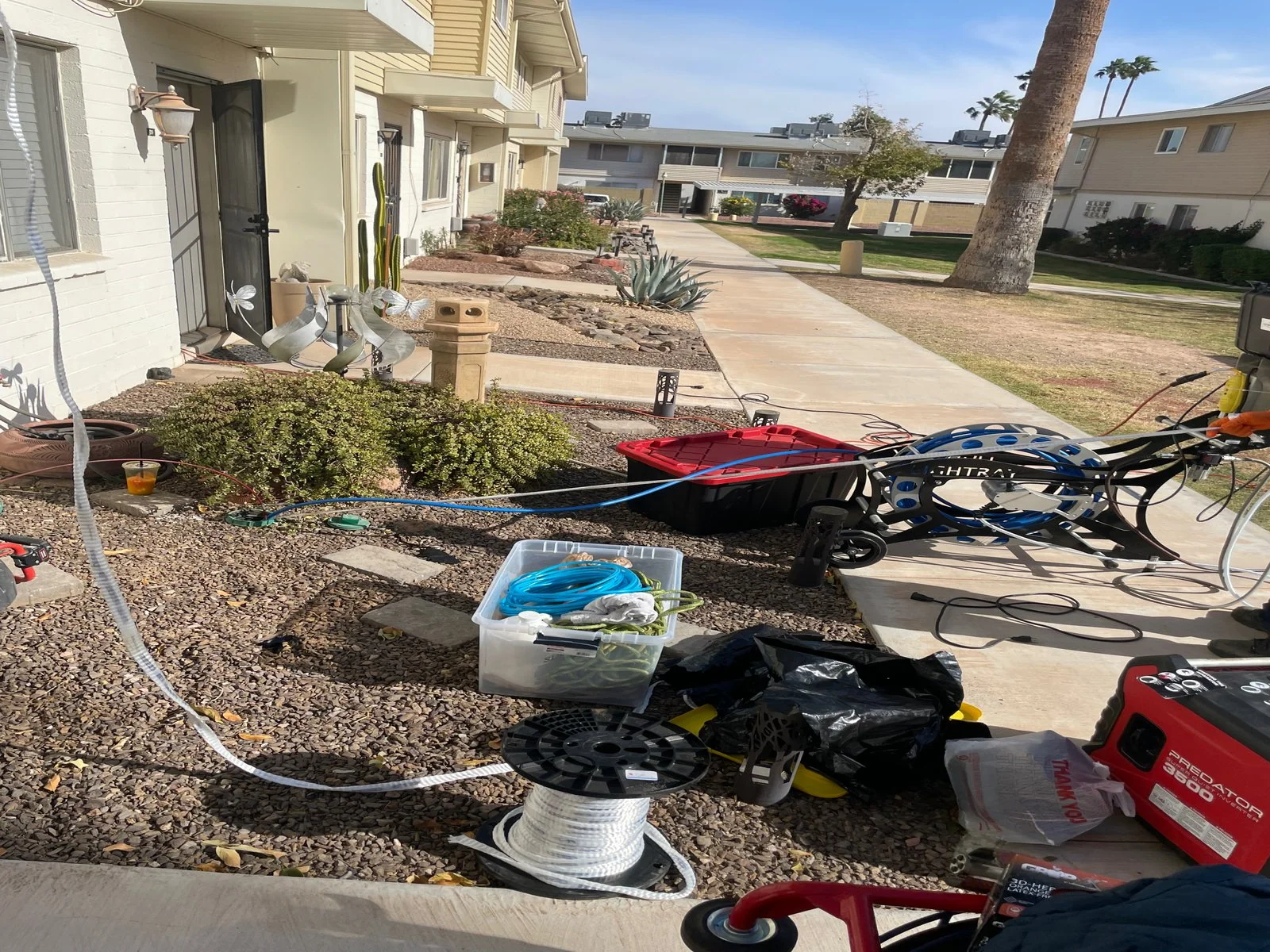
A sewer camera inspection gives Phoenix homeowners and property managers a clear look inside underground drain and sewer lines without unnecessary digging. By sending a small waterproof camera through the pipe, a technician can identify blockages, cracks, root intrusion, bellied sections, corrosion, and other hidden issues. If you are searching for sewer camera inspection Phoenix AZ, understanding how the process works can help you decide when it is worth scheduling and what to expect from the visit.
What does a sewer camera inspection show?
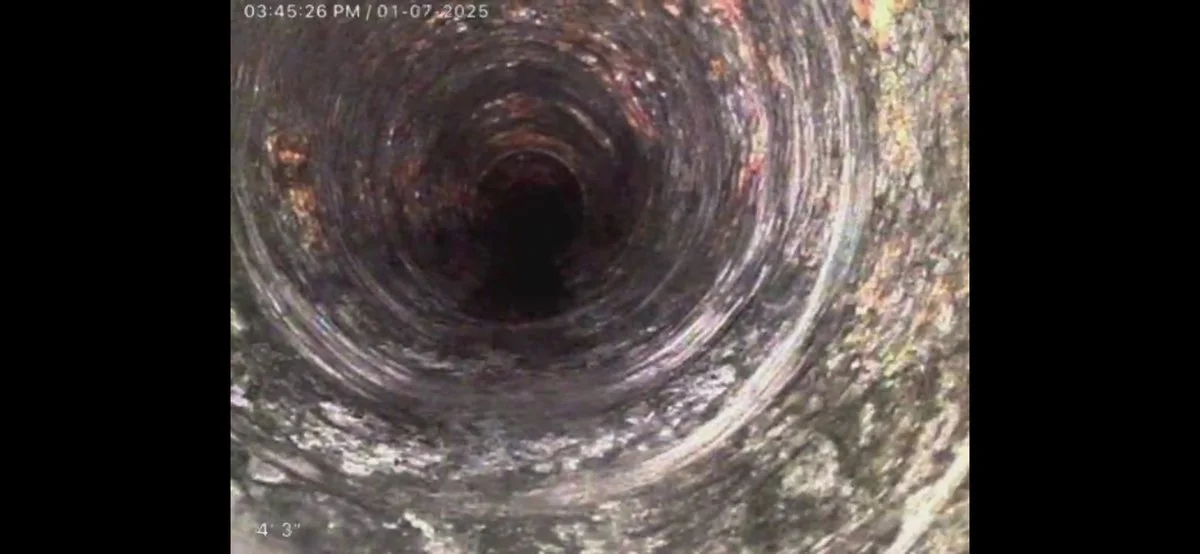
A sewer camera inspection shows the condition of the inside of your sewer or drain line in real time. Instead of guessing where a problem may be, the technician uses a sewer line camera to visually locate buildup, damage, offsets, obstructions, or sections that may need cleaning or repair.
The camera is attached to a flexible cable and guided through an accessible cleanout, drain opening, or sewer access point. As it moves through the pipe, it sends video footage to a monitor above ground. This allows the technician to see whether the line is flowing properly, where a blockage begins, and whether the pipe itself is damaged or simply clogged.
For Phoenix properties, this can be especially useful because many homes have aging plumbing systems, long exterior sewer runs, desert landscaping, and soil conditions that may affect underground lines over time. A sewer video inspection can help separate a simple clog from a larger sewer line issue before major work begins.
Common reasons to schedule a sewer video inspection
A camera inspection is not only for emergencies. It is often used when symptoms keep coming back, when a property is being purchased, or when a plumber needs more information before recommending repairs.
You may benefit from an inspection if you notice:
Recurring drain clogs that return after snaking or cleaning
Slow drains throughout the home, especially in multiple fixtures
Gurgling toilets or drains that suggest poor sewer flow
Sewage odors near bathrooms, laundry rooms, or exterior cleanouts
Wet spots or lush patches in the yard that may point to a leaking sewer line
Backups in tubs, showers, or floor drains when other fixtures are used
Older pipes that may be cracked, offset, corroded, or invaded by roots
Real estate concerns before buying or selling a home
The main advantage is clarity. Without a camera, sewer problems can look similar from the surface. A clog caused by grease buildup is very different from a collapsed pipe, and each requires a different solution.
A smarter way to diagnose sewer line problems
Traditional drain diagnosis often depends on symptoms, experience, and trial-and-error cleaning. Those still matter, but a sewer line camera adds visual confirmation. It helps the technician see the location and nature of the issue before recommending the next step.
For example, if the camera shows heavy sludge or scale buildup, hydro jetting or professional drain cleaning may be enough. If the footage shows roots entering through a joint, the line may need root removal and monitoring. If there is a broken or severely sagging section, repair or replacement may be the more practical long-term solution.
This matters because unnecessary excavation can be expensive and disruptive. Camera inspections help narrow the work area and reduce guesswork, especially when paired with locating equipment that can mark the problem spot from above ground.
When is sewer camera inspection Phoenix AZ worth it?
Sewer camera inspection Phoenix AZ is worth it when you need a reliable diagnosis for a sewer problem, want to confirm the condition of a line, or need documentation before making plumbing decisions. It is particularly helpful when drain issues repeat, affect more than one fixture, or appear connected to the main sewer line rather than a single sink or shower.
It can also be valuable before buying a home. A standard home inspection may not reveal the condition of underground sewer piping. A sewer video inspection can uncover problems that are not visible during a walkthrough, such as root intrusion, pipe separation, low spots, or debris buildup.
For homeowners planning landscaping, additions, or major renovations, an inspection can also provide useful information about the location and condition of existing sewer lines. Knowing what is underground before digging or building can prevent expensive surprises later.
What happens during the inspection
Most sewer camera inspections follow a straightforward process. The exact steps may vary based on the property layout, pipe access, and the reason for the service, but the goal is always to gather useful visual information.
A typical visit may include:
Initial discussion The technician asks about symptoms, recent backups, drain history, and where problems have appeared.
Access point selection The camera is inserted through a cleanout or other approved opening. If access is limited, the technician may explain available options.
Camera navigation The sewer line camera is pushed through the pipe while the technician watches the live feed.
Problem identification The inspection looks for clogs, roots, cracks, offsets, corrosion, sagging pipe sections, foreign objects, or standing water.
Location and explanation If a defect or blockage is found, locating equipment may be used to help estimate where it sits underground.
Next-step recommendations Based on the footage, the technician can explain whether cleaning, monitoring, repair, or replacement may be appropriate.
The best inspections are not rushed. A clear explanation of what is visible on the screen is just as important as the equipment itself.
What a camera inspection can and cannot do
A sewer camera is a powerful diagnostic tool, but it is not a magic fix. It helps identify what is happening inside the pipe; it does not automatically clear a clog, repair damage, or guarantee that every hidden condition outside the pipe is known.
A camera can usually help identify:
Root intrusion inside the sewer line
Cracks, breaks, and separated joints
Grease, scale, sludge, or debris buildup
Low areas where water collects
Objects lodged in the line
Pipe material changes or visible deterioration
Approximate location of visible issues
However, the camera may be limited if the line is completely blocked, filled with heavy sludge, or unsafe to access. In some cases, drain cleaning may be needed before a full inspection can be completed. A professional should explain these limitations clearly rather than promising certainty where visibility is poor.
Why Phoenix homeowners should not ignore sewer symptoms
Sewer problems rarely improve on their own. A slow drain may seem minor at first, but repeated backups can expose the home to wastewater, odors, property damage, and larger repair needs. The sooner the cause is identified, the easier it is to choose a practical solution.
Phoenix homeowners also need to consider outdoor factors. Tree and shrub roots can seek moisture around sewer joints. Ground movement, older pipe materials, and past repairs can also affect performance. A camera inspection helps bring those hidden issues into view before they become more disruptive.
That does not mean every slow drain requires a camera. A single clogged sink may only need basic clearing. But when the problem affects the main line, keeps returning, or comes with warning signs such as sewage odors or backups, a sewer video inspection is often a smart next step.
How to prepare for a sewer camera inspection
A little preparation can make the appointment smoother. Clear access to cleanouts, move stored items away from plumbing access points, and make a note of when symptoms started. If you have had recent drain cleaning, repairs, or previous inspections, share that information with the technician.
It also helps to ask practical questions during the visit:
Can I see the footage while the inspection is happening?
Where is the issue located in the line?
Is the pipe blocked, damaged, or both?
Would cleaning solve the problem, or is repair likely needed?
Are there signs this issue may return?
Is a recording or summary available?
These questions help you understand the recommendation instead of simply approving work without context.
Clear answers before costly work begins
A sewer camera inspection is one of the most useful ways to understand what is happening inside a buried sewer line. For homeowners and property managers in Phoenix, it can reduce guesswork, support better repair decisions, and help catch serious problems before they lead to repeated backups or unnecessary digging.
If your drains keep slowing down, your sewer line has backed up, or you want peace of mind before buying a property, scheduling a sewer camera inspection Phoenix AZ service can provide the visibility you need. The goal is simple: see the problem clearly, understand your options, and move forward with confidence.
