
Hot Water Heater Repair Service in Chandler, AZ: Essential Tips
Essential Tips for Hot Water Heater Repair
A reliable water heater is easy to take for granted until showers turn cold, dishes stay greasy, or laundry cycles stop performing the way they should. Hot water heater repair is about spotting issues early, knowing what you can safely check, and calling a qualified technician before a small problem becomes water damage or a full replacement. If you are comparing options for a hot water heater repair service in Chandler, AZ, the right preparation can help you describe the problem clearly and get faster, more accurate help.
What are the first signs your water heater needs repair?
The first signs your water heater needs repair are usually changes in temperature, water quality, noise, or performance. If the unit takes longer to heat, runs out of hot water quickly, makes popping or rumbling sounds, leaks around the base, or produces rusty or cloudy water, it is time to investigate. These symptoms do not always mean the system has failed, but they do mean it needs attention before the issue gets worse.
Some problems are easy to dismiss at first. A slightly cooler shower may seem like a busy-morning inconvenience, and a small puddle near the unit may look harmless. But water heaters operate under heat, pressure, and constant water exposure, so early warning signs should be taken seriously.
Common repair indicators include:
Inconsistent hot water: Water may turn hot, then cold, then hot again because of thermostat, heating element, burner, or sediment issues.
Unusual noises: Popping, cracking, or rumbling often points to mineral buildup inside the tank.
Discolored water: Rust-colored water may indicate corrosion in the tank or connected plumbing.
Leaks or dampness: Even a slow drip can signal a loose valve, failing connection, or tank damage.
Higher energy use: A struggling heater may run longer than necessary to produce the same amount of hot water.
Pilot light or ignition trouble: Gas units may fail to heat properly if ignition components are dirty, worn, or malfunctioning.
If you notice more than one of these issues at the same time, avoid guessing. A professional water heater service can identify whether the problem is repairable and whether the unit is still safe to operate.
Safe checks to make before calling a technician
Before scheduling service, there are a few simple checks homeowners can make without opening panels, touching wiring, or disassembling parts. These steps help you rule out obvious issues and give the technician useful information. Safety comes first: if you smell gas, see active leaking, notice electrical burning odors, or are unsure what you are looking at, stop and call for help immediately.
Start by checking the power or fuel source. For an electric water heater, confirm that the breaker has not tripped. For a gas model, look to see whether the pilot light or ignition system appears to be working, but do not force relighting if instructions are unclear or if you smell gas.
Next, look around the base of the water heater. A dry floor is a good sign, while pooling water, damp drywall, or mineral crust near fittings can point to a leak. Also check the temperature setting if it is visible and accessible, since accidental changes can affect comfort and safety.
Helpful details to note before calling include:
When the issue started and whether it happened suddenly or gradually.
What type of unit you have, such as gas, electric, tank, or tankless.
The age of the water heater, if you can find it on the label or from records.
What you hear, see, or smell, including noise, leaking, discoloration, or odors.
Whether hot water fails everywhere or only at one fixture.
This information helps a technician narrow down possible causes. It can also help you get a more productive conversation when searching for a hot water heater repair service near me.
The role of maintenance in preventing repairs
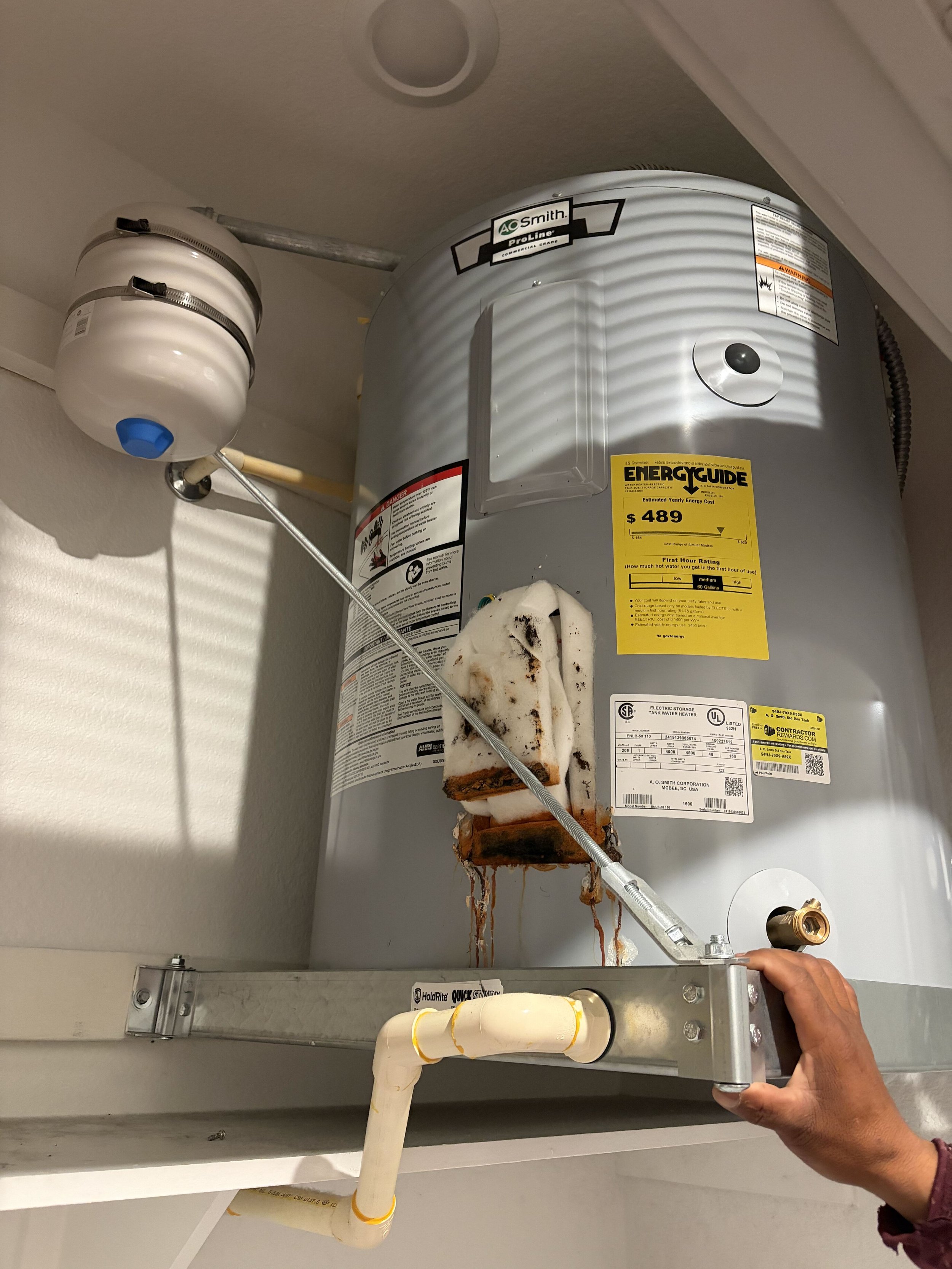
Regular hot water maintenance is one of the best ways to reduce surprise breakdowns. Water heaters work hard every day, and sediment, mineral deposits, worn valves, and aging components can gradually reduce efficiency. Maintenance gives a technician the chance to catch small problems before they affect performance or create safety concerns.
A basic maintenance visit may include checking visible connections, inspecting for leaks, reviewing temperature settings, testing safety components, and looking for signs of corrosion. Depending on the system and local water conditions, flushing the tank may also be recommended to help remove sediment. Tankless systems may need descaling, especially in areas with hard water.
Maintenance is especially useful in warm, dry climates where equipment may be installed in garages, closets, or utility areas that are easy to overlook. In Chandler and nearby Arizona communities, mineral content in the water can contribute to buildup inside plumbing and appliances. That does not mean every issue is caused by hard water, but it does make routine inspection a smart habit.
A practical maintenance rhythm includes:
Visually checking the area around the heater once a month.
Keeping stored items away from the unit for airflow and access.
Listening for new noises during normal operation.
Scheduling professional inspection if performance changes.
Keeping records of repairs, maintenance, and installation dates.
Good maintenance does not make a water heater last forever, but it helps you make better decisions and avoid preventable emergencies.
When should you repair instead of replace?
Repair often makes sense when the water heater is relatively newer, the tank is in good condition, and the problem is limited to a replaceable part. Replacement may be the better option when the tank is leaking, the unit is near the end of its expected service life, repairs are becoming frequent, or performance no longer meets household demand. A qualified technician can explain the condition of the system and help you compare the practical value of repair versus replacement.
For example, a failed thermostat, heating element, valve, or igniter may be repairable. A leaking tank, however, is usually more serious because the tank itself is not typically restored in the same way a part can be changed. Repeated repairs can also become frustrating if the system is aging and losing efficiency.
It helps to think beyond the immediate repair bill. Consider how often the unit has needed service, whether your household has grown, and whether you frequently run out of hot water. If the unit struggles under normal use, a repair may solve the current symptom without solving the bigger comfort problem.
Choosing a local repair professional
A dependable local technician should be clear, careful, and willing to explain what they find. When looking for hot water heater repair chandler az, focus on practical service qualities rather than only choosing the first listing you see. The goal is to find someone who can diagnose the issue correctly, communicate your options, and perform work safely.
Look for a provider that asks specific questions about the problem, your unit type, and any visible leaks or safety concerns. A good technician should inspect before recommending major work and should help you understand whether the issue is urgent. They should also be comfortable discussing maintenance steps that may reduce future problems.
Before booking, consider asking:
Do you service my type of water heater?
Can you inspect for both repair and safety concerns?
What information should I have ready before the appointment?
Do you handle routine maintenance as well as repairs?
What signs would make replacement a better option?
Clear answers build confidence. If a provider pressures you without inspecting the unit or avoids basic questions, keep looking.
Practical ways to protect your hot water system
The best repair strategy is prevention paired with fast action when symptoms appear. Keep the area around the water heater clean and accessible so leaks or corrosion are easier to spot. Do not ignore small changes in water temperature, pressure, or appearance, especially if they repeat over several days.
It is also wise to learn where your shutoff valves are before an emergency happens. If a leak develops, knowing how to stop the water supply can reduce damage while you wait for service. For gas units, know where the gas shutoff is, but avoid handling it unless you are confident and it is safe to do so.
Finally, schedule water heater service when performance starts changing, not after the system has fully failed. Early diagnosis often means more options, less disruption, and a better chance of restoring reliable hot water.
Key takeaway
Hot water problems rarely improve on their own. Watch for warning signs, perform only safe visual checks, keep up with hot water maintenance, and call a qualified professional when the system acts differently. With the right local help, you can protect your home, restore comfort, and make a confident decision about repair or replacement.
