
How to Reduce Water Usage: 10 Easy Daily Tips
10 Simple Ways to Save Water Daily
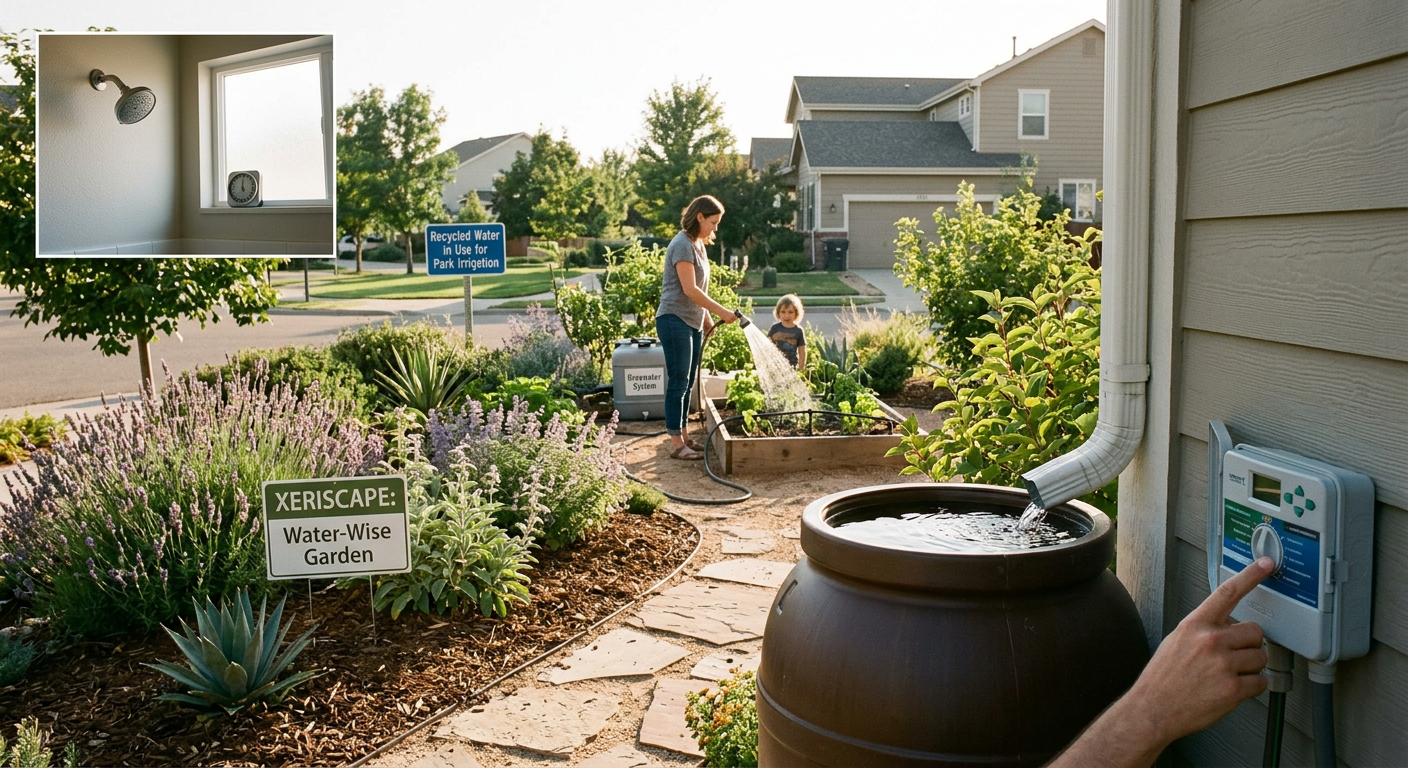
Saving water every day does not require a complete lifestyle overhaul. Small habits in the bathroom, kitchen, laundry room, and garden can add up quickly, especially when everyone in a household participates. If you have ever wondered how to reduce water usage without making life inconvenient, the best place to start is with simple routines you already do.
Why does daily water conservation matter?
Daily water conservation matters because much of the water used at home goes toward repeated habits: showering, flushing, washing dishes, doing laundry, watering plants, and cleaning. When those habits become a little more efficient, you conserve water without feeling like you are constantly making sacrifices. These practical water conservation methods also help reduce waste, lower utility use where water is metered, and make your home more resilient during dry seasons or local restrictions.
The goal is not perfection. It is awareness. Once you notice where water is running longer than needed, leaking unnoticed, or being used out of habit, it becomes much easier to make better choices.
1. Shorten showers without rushing
Showers are one of the easiest places to save water because they happen so often. You do not need to turn every shower into a race, but trimming even a few minutes can make a meaningful difference over time. A helpful approach is to decide what you need to do before turning on the water, then avoid standing under the stream while thinking, scrolling, or waiting.
You can also try a “pause point” routine: wet your hair and body, turn the water down or off while lathering, then rinse. If that feels too strict, start with a timer or a favorite short playlist. The point is to make the habit visible, not miserable.
2. Turn off the tap during small tasks
Running taps often waste water in tiny moments that feel harmless. Brushing teeth, shaving, washing hands, rinsing vegetables, and scrubbing dishes can all involve more running water than necessary. Turning the tap off while you scrub, soap, or brush is one of the simplest ways to reduce water usage at home.
Try keeping a cup near the sink for rinsing after brushing your teeth. When washing produce, fill a bowl instead of letting water run continuously. These small changes do not require new equipment, and they are easy for children and guests to understand too.
3. Fix leaks as soon as you notice them
A dripping faucet or running toilet may seem like background noise, but leaks can waste a surprising amount of water if ignored. The tricky part is that some leaks are quiet or hidden. A toilet that runs between flushes, a damp cabinet under the sink, or a hose connection that always leaves a puddle are all signs worth checking.
Make leak checks part of your monthly home routine. Look under sinks, around toilets, near outdoor spigots, and behind appliances if accessible. If a repair is simple, handle it quickly; if it is beyond your comfort level, call a qualified professional before the problem grows.
4. Run full loads only
Dishwashers and washing machines are most efficient when used thoughtfully. Running half-empty loads usually means using more water across the week than necessary. Waiting until you have a full load is a low-effort way to conserve water without changing the quality of your cleaning.
That said, do not overload machines so much that dishes come out dirty or clothes fail to rinse properly. The practical balance is a full, functional load. If your appliances have eco, light-wash, or water-saving settings, use them when appropriate for the level of soil.
5. Use a basin for dishwashing and rinsing
If you wash dishes by hand, avoid leaving the faucet running from the first plate to the last spoon. Fill one side of the sink or a basin with soapy water, wash items in batches, and rinse efficiently at the end. For lightly used cups or plates, you may need far less water than you think.
For stuck-on food, soaking is usually better than blasting dishes under a strong stream. Give pots and pans a short soak, scrape food into the trash or compost where appropriate, and then wash. This saves water and usually makes the job easier.
6. Choose water-wise habits in the kitchen
Kitchen water use goes beyond dishes. Defrosting frozen food under running water, rinsing every item excessively, or pouring leftover drinking water down the drain can all add up. Planning ahead helps: thaw food in the refrigerator when possible and wash produce in a bowl.
Here are a few easy kitchen habits to try:
Keep a pitcher of drinking water in the refrigerator so you do not run the tap waiting for cold water.
Reuse leftover water from glasses for houseplants.
Steam vegetables instead of boiling large pots of water when it suits the recipe.
Scrape plates before washing instead of rinsing heavily.
Check that faucets are fully turned off after use.
These habits are simple, but they work because they target everyday repetition.
7. Water plants at the right time
Outdoor watering can become wasteful when water evaporates quickly or runs off before soaking into the soil. Watering early in the morning or later in the evening usually gives plants more time to absorb moisture. Slow, deep watering is often better than frequent light sprinkling because it encourages stronger roots.
Pay attention to the soil rather than watering by habit alone. If the ground is still damp below the surface, you may be able to wait. Mulch around plants can also help retain moisture, reduce weeds, and protect soil during hot weather.
8. Collect and reuse water where practical
Not all used water has to go straight down the drain. While you should be careful about hygiene and local rules, there are simple, safe ways to reuse clean leftover water. For example, water used to rinse produce can often go to outdoor plants. Water left in a kettle after it cools can be used for houseplants.
You can also place a bucket in the shower while waiting for the water to warm, then use that water for cleaning or plants. This method is especially useful because it captures water that would otherwise be wasted before your shower even begins.
9. Sweep instead of hosing down surfaces
Driveways, patios, steps, and sidewalks often do not need water for basic cleaning. A broom can remove leaves, dust, and dirt without using a hose. Save water-based cleaning for messes that truly require it, and when you do use a hose, attach a shutoff nozzle so water flows only when needed.
This is one of the most overlooked water conservation methods because outdoor cleaning feels quick with a hose. But sweeping first often does most of the work, and it gives you more control over where debris goes.
10. Make water-saving a household habit
Water-saving works best when it becomes normal for everyone at home. Instead of turning it into a strict set of rules, make it practical and visible. Put a small reminder near the bathroom sink, teach kids to turn off taps fully, and agree on simple routines for laundry, dishes, and outdoor watering.
A household checklist can help:
Check for leaks once a month.
Run dishwashers and washing machines only when full.
Turn off taps while brushing, shaving, or scrubbing.
Reuse clean leftover water for plants when safe.
Water gardens based on soil need, not habit.
Keep a broom handy for outdoor surfaces.
When everyone understands the “why,” the habits are more likely to stick.
A simple takeaway for everyday use
Learning how to reduce water usage is mostly about noticing waste in ordinary routines. You do not have to change everything at once; choose two or three habits that feel easy, practice them for a week, and build from there. Over time, these small daily choices help you conserve water in a way that feels realistic, responsible, and sustainable.
