
Common Issues Found During Sewer Inspections
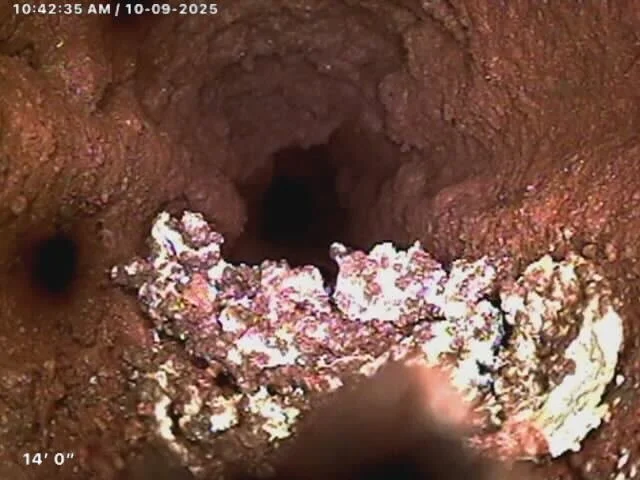
A sewer inspection gives homeowners a clear look at what is happening inside the drain line before a small problem turns into a messy, expensive backup. Using a sewer inspection camera, a plumber can identify blockages, cracks, root intrusion, poor installation, and other hidden issues without immediately digging up the yard. For homeowners comparing plumbing Arizona service options, understanding what an inspection may uncover makes it easier to ask good questions and plan the next step.
Why does a sewer camera inspection matter?
A sewer camera inspection matters because most sewer line problems are out of sight until they become urgent. Slow drains, gurgling toilets, foul odors, soggy spots in the yard, or repeated clogs can all point to trouble somewhere in the main line, but those symptoms do not reveal the exact cause. A camera inspection helps locate the issue, show its condition, and reduce guesswork before repairs are recommended.
During the inspection, a small waterproof camera is guided through the sewer line. The technician watches the live video feed and looks for anything that changes the shape, flow, or condition of the pipe. This can be especially useful before buying a home, after repeated drain backups, or when an older property has plumbing with an unknown repair history.
Tree roots inside the sewer line
Tree root intrusion is one of the most common issues found during a sewer line inspection. Roots naturally seek moisture, and even a small opening in a sewer pipe can attract them. Once roots enter, they can spread through the pipe and catch waste, grease, wipes, and other debris.
At first, root growth may only slow the flow of wastewater. Over time, the blockage can become dense enough to cause recurring backups. In severe cases, roots may widen existing cracks or separate pipe joints, making the problem worse.
A sewer camera inspection can show whether roots are light, moderate, or heavy and where they are entering the line. That detail matters because the solution may range from clearing the obstruction to repairing or replacing the damaged section of pipe.
Grease, sludge, and everyday buildup
Not every sewer problem is caused by a broken pipe. Many inspections reveal a gradual buildup of grease, soap residue, food particles, hair, and sludge along the pipe walls. This buildup narrows the inside of the line, which leaves less room for wastewater to move freely.
Kitchen drains are often a major contributor when fats, oils, and grease are rinsed down the sink. Even if they go down as liquid, they can cool and harden inside the plumbing. Bathroom products can add to the issue, especially when items marketed as flushable do not break down quickly enough in the line.
Common signs of buildup include:
Multiple drains moving slowly at the same time
Toilets bubbling when nearby fixtures drain
Repeated clogs that return after basic drain cleaning
Bad odors coming from drains
Backups after heavy water use, such as laundry or showers
When buildup is the main issue, the inspection helps determine whether cleaning is likely to restore proper flow or whether there is a deeper structural problem behind the clog.
Cracked, broken, or collapsed pipes
Cracks and breaks are serious findings because they can allow wastewater to leak into the surrounding soil. They may also let dirt, rocks, and roots enter the sewer line. A pipe can crack because of age, shifting soil, poor installation, heavy surface pressure, or long-term corrosion, depending on the material.
A sewer inspection camera may reveal hairline cracks, missing pipe sections, crushed areas, or a full collapse. Some damage is obvious on video, while other problems show up as standing water, offset joints, or debris collecting in one location.
The practical concern is simple: damaged pipe rarely improves on its own. If wastewater is not moving through a smooth, sealed pathway, clogs and leaks are more likely to return. Inspection footage gives the plumber and property owner a better basis for deciding whether repair, replacement, or continued monitoring is appropriate.
Bellied or sagging sewer lines
A sewer line should maintain proper slope so wastewater can move by gravity. A belly occurs when part of the pipe sinks and creates a low spot. Instead of flowing through, water and waste settle in the sagging section.
This problem can be frustrating because the pipe may not be fully blocked, but it still causes repeat clogs. The camera may show standing water in one area even when the rest of the pipe looks clear. Over time, solids collect in that low spot, creating a cycle of cleaning and recurring obstruction.
Bellied pipes are often related to soil movement, poor bedding under the pipe, or ground settling. The inspection helps identify the location and length of the sag, which is important when discussing repair options.
What can a sewer inspection camera reveal about pipe joints?
A sewer inspection camera can reveal whether pipe joints are separated, offset, leaking, or collecting debris. Joints are the connection points between sections of pipe, and they are common weak spots in older systems or lines affected by soil movement. Even a small offset can interrupt flow and create a place for waste or roots to collect.
Joint problems may appear as gaps, uneven pipe edges, or visible root entry points. In some cases, the camera may pass through the area easily, but the video still shows enough irregularity to explain recurring clogs. In other cases, the joint is offset enough to block the camera or restrict the pipe opening.
Knowing the condition of the joints helps separate a simple clog from a structural concern. That distinction can prevent repeated temporary fixes when the real problem is pipe movement or separation.
Corrosion and pipe material problems
Older sewer lines can show wear related to the pipe material. Cast iron may corrode, scale, or develop rough interior walls. Clay pipe can crack or separate at joints. Orangeburg and other aging materials may deform, blister, or lose their shape over time.
When the inside of a pipe becomes rough, waste catches more easily. A line that technically remains open may still clog often because the interior surface is no longer smooth. The inspection can show whether the pipe is simply dirty or whether the material itself is deteriorating.
This is especially helpful for older homes or properties with uncertain plumbing records. Rather than assuming every clog is caused by user habits, a sewer line inspection can uncover whether the system is nearing the end of its useful life.
Foreign objects and improper flushing
Sewer inspections sometimes reveal objects that should never have entered the line. Wipes, feminine hygiene products, paper towels, toys, construction debris, and cleaning tools can all become lodged inside a pipe. Once stuck, they create a snag point for more material.
These problems are not always obvious from the surface. A drain may work normally for a while and then suddenly back up when the object shifts or catches more waste. Camera footage helps confirm whether the issue is a one-time obstruction or part of a larger pattern.
A few habits can reduce the risk:
Flush only toilet paper and human waste.
Keep grease, coffee grounds, and food scraps out of drains.
Use drain strainers in showers, tubs, and utility sinks.
Avoid relying on chemical drain cleaners for recurring clogs.
Schedule an inspection when the same drain problem keeps returning.
Poor installation or past repair issues
Not every sewer issue is caused by age. Sometimes inspections uncover installation problems, such as improper slope, misaligned sections, low-quality connections, or repair work that does not match the rest of the system. These defects can cause chronic performance issues even in a line that is not extremely old.
Past repairs may also be visible. A camera may show a transition between pipe materials, an uneven connection, or a patched area where debris collects. These details help explain why a specific section of pipe keeps causing trouble.
For homeowners, this information is valuable because it creates a clearer conversation. Instead of approving work based only on symptoms, you can review what the inspection found and ask why a particular repair is being recommended.
When should homeowners schedule an inspection?
Homeowners should schedule a sewer inspection when drain problems repeat, affect multiple fixtures, or appear before a real estate purchase. A single isolated clog may not require camera work, but recurring backups usually deserve a closer look. The goal is to identify the cause before wastewater damage, yard excavation, or emergency service becomes unavoidable.
A sewer camera inspection is also useful after major landscaping, before remodeling that adds plumbing demand, or when buying an older property. In areas where soil conditions, heat, tree growth, or older neighborhoods affect underground lines, choosing an experienced plumbing Arizona provider can make the findings easier to understand.
Key takeaway
Sewer inspections often uncover roots, buildup, cracked pipes, bellies, joint problems, corrosion, foreign objects, and installation defects. The value of the inspection is not just finding a clog; it is understanding why the clog happened and what condition the line is in. With clear camera footage and a practical explanation, homeowners can make better decisions about cleaning, repair, replacement, or ongoing maintenance.
