
Signs It's Time for Boiler Replacement
Boiler replacement deserves consideration when recurring breakdowns, rising energy use, or declining performance make your current system difficult to justify keeping. Age matters, but an inspection should separate repairable problems from equipment that needs replacing. This article explains the warning signs, cost considerations, and installation questions to discuss with a contractor such as Umbrella Plumbing.
Boiler replacement: when to do it?
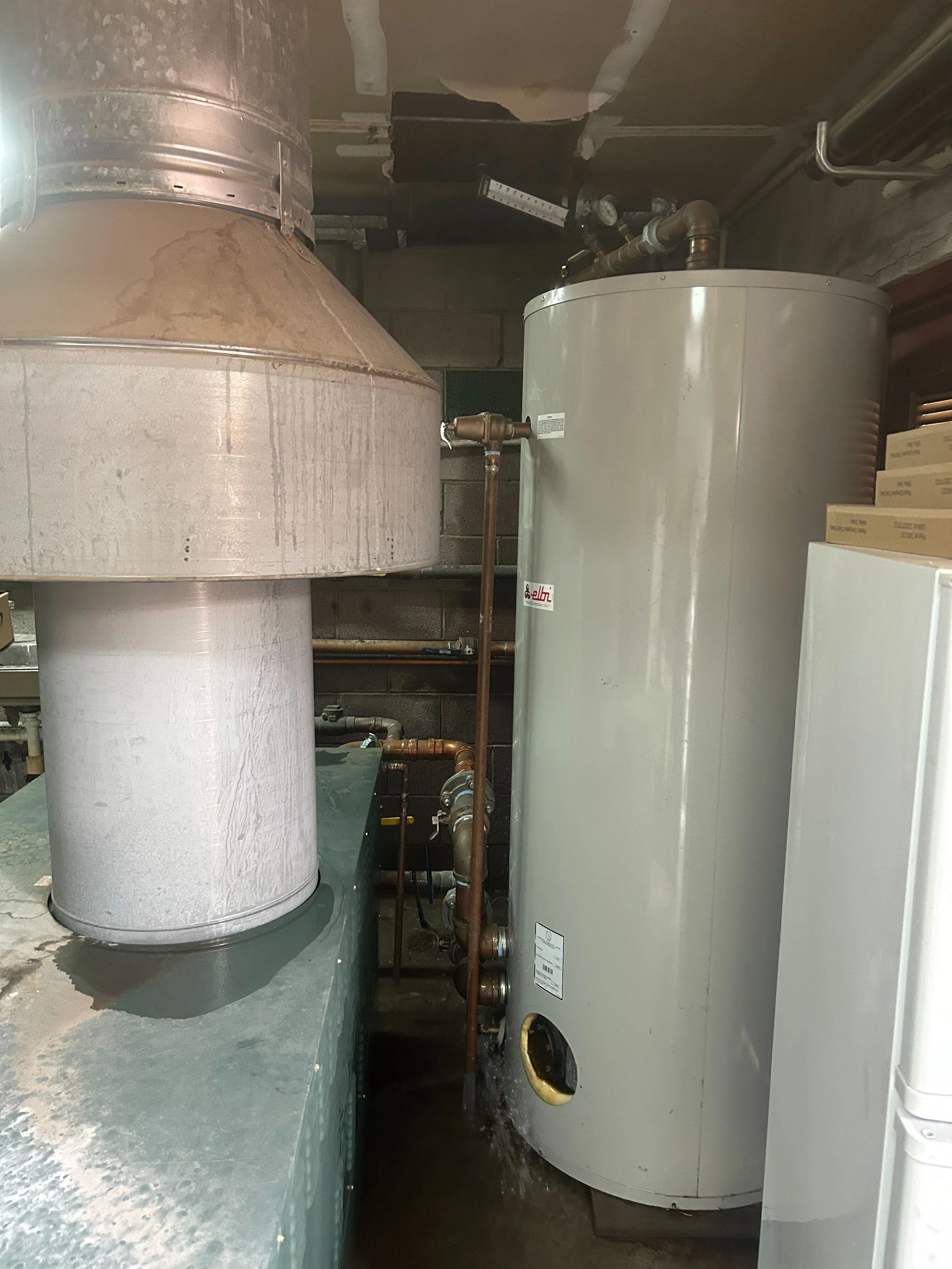
Consider replacing your boiler when it needs substantial or repeated repairs, no longer delivers dependable heating, or has safety problems that cannot be corrected economically. ENERGY STAR identifies boilers more than 15 years old as candidates for replacement evaluation, especially when repairs and energy bills are increasing. That is a planning checkpoint, not an automatic expiration date.
Start by gathering the installation date, model number, service history, and recent utility bills. Ask your technician to explain what has failed, whether the problem is isolated, and what condition the remaining system is in. A useful recommendation should address the boiler and its connected components rather than assuming every comfort complaint requires new equipment.
Warning signs that deserve a closer look
Repairs are becoming a pattern
One service visit does not necessarily justify replacement. Repeated failures, however, deserve a broader assessment, particularly when an older boiler also struggles to maintain comfort. Ask for a written diagnosis and compare the proposed repair with a complete replacement proposal—not just the price of the replacement unit.
Keep a simple repair log with dates, symptoms, replaced parts, and charges. This gives the contractor something more useful than “it keeps breaking” and helps you distinguish a recurring unresolved problem from unrelated minor faults.
Energy use rises while comfort falls
Higher bills alongside uneven heating can indicate declining equipment performance, but they do not prove the boiler is the only problem. Building heat loss, controls, and distribution issues also deserve attention. Compare fuel consumption as well as dollars, then ask your contractor to assess the whole system before recommending replacement.
For a useful service conversation, note whether the entire property is uncomfortable or only certain rooms. Record when the problem occurs and whether thermostat changes make any difference. Those observations give the technician a clearer starting point.
Leaks, pressure changes, and unusual noises persist
Leaks and frequent makeup-water requirements need professional investigation. Manufacturer guidance warns that continually adding fresh water can contribute to mineral deposits and boiler damage. Popping noises may also involve deposits or inadequate flow, while noisy or cold radiators can have other causes. These are diagnostic clues, not automatic proof that replacement is necessary.
Photograph visible leaks from a safe distance and record displayed fault codes. Avoid repeatedly topping up the system or changing settings to hide a recurring symptom. Have a qualified technician identify the cause and recommend the appropriate correction.
Safety warnings require immediate action
A carbon monoxide alarm is not a routine maintenance reminder. If an alarm sounds, leave the building immediately and call 911 or local emergency services from outside. Do not reenter until emergency responders say it is safe.
Carbon monoxide is colorless and odorless, so smell cannot establish whether equipment is operating safely. Fuel-burning heating systems need professional inspection and servicing, and working CO alarms provide additional protection. Never attempt combustion adjustments or internal boiler repairs yourself.
Once the immediate hazard is addressed, request a documented diagnosis. The next decision is whether the defect can be safely repaired or whether replacement is warranted—not simply whether the boiler can be restarted.
Should you repair the boiler or replace it?
Repair may make sense when the fault is limited and the rest of the system remains in good condition. Replacement becomes more compelling when extensive repairs coincide with poor performance, advanced age, or repeated problems. Evaluate the combination rather than applying a single age or repair-price rule.
Use these questions when reviewing the recommendation:
What exactly failed? Request the component name and an explanation of the diagnosis.
What will the repair solve? Separate the immediate fault from other known problems.
What remains uncertain? Ask which components could not be fully evaluated.
What does replacement include? Compare complete scopes rather than equipment-only prices.
How will results be verified? Request an explanation of testing and startup checks.
For an efficiency-driven upgrade, ask for savings estimates based on your actual consumption and proposed equipment. A newer boiler does not guarantee a particular payback period; operating savings need careful analysis.
What affects new boiler cost?
New boiler cost depends on equipment selection and the work required to install it correctly. Beyond the appliance, a replacement project may include removal, permits, venting changes, chimney work, or condensate provisions. A property-specific written estimate is more useful than a headline price that leaves those items out.
Request an itemized proposal covering:
Equipment: Model, capacity, efficiency rating, controls, and included accessories.
Installation: Labor, removal, disposal, and necessary connections.
Supporting work: Venting, condensate handling, and identified system corrections.
Completion: Applicable permits, startup testing, documentation, and exclusions.
Commercial boiler replacement cost also requires attention to building demand. The Department of Energy recommends considering both peak demand and the load profile; buildings with highly variable loads may benefit from evaluating modular boilers or modulating burners. Ask whether one replacement unit or a multiple-boiler arrangement better fits the property.
For commercial proposals, also request a shutdown plan. Clarify expected service interruptions, access requirements, and whether temporary service needs separate pricing. Make those expectations part of the discussion before approving work.
Proper boiler installation starts with system assessment
Boiler installation should begin with sizing calculations, not an assumption that the old unit’s capacity was correct. A heat-loss assessment helps establish the building’s heating requirement. Existing piping, radiators, and other accessible components should also be inspected so unresolved defects are not overlooked during replacement.
Ask the installer to explain equipment compatibility, venting arrangements, control settings, and commissioning. Condensing equipment also needs operating conditions that support its intended performance. Before handover, request the owner’s manual, warranty information, and a demonstration of normal operation and service indicators.
Umbrella Plumbing’s boiler-related services and solutions
Umbrella Plumbing provides commercial plumbing maintenance, repairs, system upgrades, and new installations in Chandler, Arizona. Its commercial services page includes boilers among commercial water-heating systems. Property owners comparing plumbing AZ providers can use an initial conversation to confirm service availability for their specific boiler, fuel type, and application.
For replacement planning, ask Umbrella Plumbing to outline suitable options, including whether retaining the existing arrangement or upgrading the system is appropriate. For installation, request a scope identifying equipment, connections, required permits, and startup responsibilities. The company advertises plumbing installation services and handling required permits when applicable; confirm the boiler-specific scope before booking.
For cost guidance, request a property-specific written estimate. Umbrella Plumbing emphasizes upfront pricing and communication about process and timelines. Ask which diagnostic fees, installation tasks, supporting repairs, and exclusions apply to your proposal.
The company also offers routine commercial maintenance. Confirm which boiler inspections, cleaning, testing, and follow-up services are included, since its public service descriptions do not specify a universal boiler maintenance package. When choosing “the trusted name everyone calls,” look beyond the phrase: request a clear diagnosis, defined scope, and documented expectations.
Boiler maintenance tips that support a better decision
Schedule professional boiler service at least annually and follow the equipment manufacturer’s maintenance requirements. A service visit can reveal repairable issues and help establish whether continued operation remains sensible. Keep the boiler area accessible and report leaks, deteriorating piping, or changing performance rather than waiting for a breakdown.
Between visits, maintain a folder containing service reports, fault-code notes, photographs, and utility records. Ask the technician which visual checks are safe for your model. Leave internal cleaning, combustion work, and safety-control testing to qualified professionals.
Plan before an emergency makes the choice
Use warning signs as a reason to investigate, not as a reason to buy blindly. Request a documented assessment, compare repair and replacement scopes, and establish what a successful installation must include. Contact Umbrella Plumbing to discuss your property’s needs and confirm the boiler services appropriate for your project.
