
Apache Junction's Best Commercial Plumbing Solutions
Reliable commercial plumbing in Apache Junction starts with identifying sewer problems accurately, choosing repairs that fit the pipe’s condition, and planning maintenance around business operations. For commercial property owners and managers, this article explains how to recognize main sewer line trouble, compare repair approaches, and prepare for an emergency. Use it to evaluate local plumbing services on practical evidence—not promises alone.
What causes main sewer line problems, and which warning signs matter?
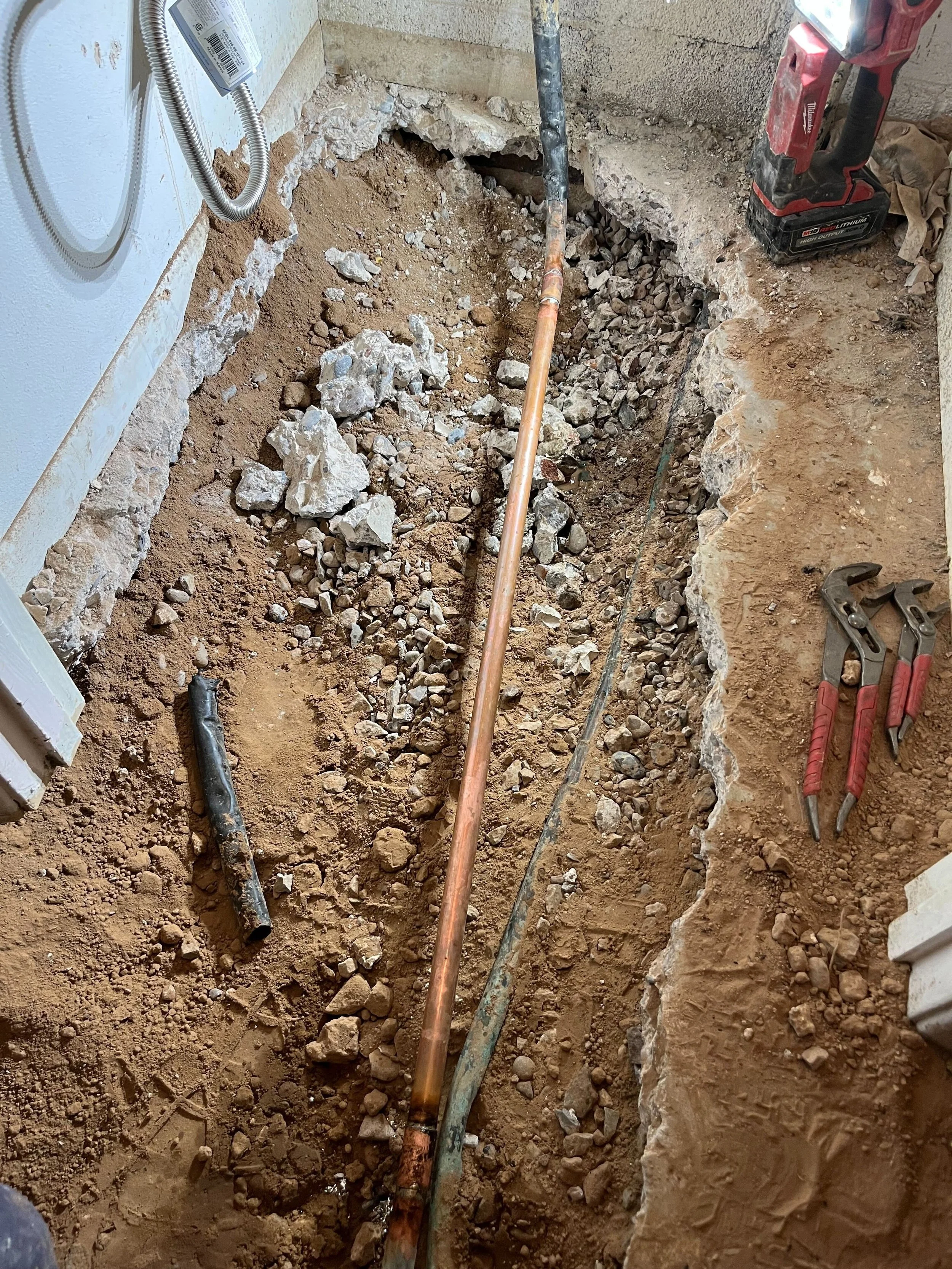
Main sewer line problems commonly involve grease buildup, unsuitable flushed materials, roots entering defective pipes, or structural deterioration. These conditions can restrict wastewater flow or contribute to backups. The EPA identifies blockages, broken lines, pipe defects, and inadequate maintenance among the factors behind sewer overflows.
For an Apache Junction restaurant, start the investigation with questions about grease handling and interceptor maintenance. At an office building or retail center, ask about flushed wipes, recurring restroom complaints, and previous repairs. These are starting points for diagnosis, not reasons to assume every commercial blockage has the same cause.
Watch for patterns rather than treating each complaint as an isolated inconvenience:
Several slow drains: Problems affecting multiple fixtures warrant investigation beyond one sink or toilet.
Gurgling fixtures: Report unusual sounds, especially when they accompany sluggish drainage.
Simultaneous backups: Several drains backing up together can indicate a main sewer line issue.
Wastewater returning indoors: Treat an active backup as an urgent service and contamination problem.
Ask tenants to report the location, timing, and frequency of symptoms. A report that two restrooms backed up during the same afternoon gives the contractor a clearer starting point than “the plumbing is bad.” Keep that reporting process simple enough for staff to use consistently.
Establish the affected line before approving work
Before authorizing a major repair, request a clear explanation of which pipe is affected: an individual branch, the building’s shared sewer connection, or infrastructure operated by the sewer utility. Ask the contractor to mark the suspected problem on a site sketch and explain what evidence supports that location. Avoid approving extensive work based solely on an unexplained verbal diagnosis.
Apache Junction’s sewer district operates a regional wastewater collection and treatment system within its boundaries. For a specific commercial address, confirm the serving utility and ask it to clarify the relevant maintenance boundary rather than assuming every underground pipe falls under the same responsibility.
For multi-tenant properties, prepare a list of affected suites, shared restrooms, and accessible service areas. Give the plumber available drawings and previous inspection reports. Also designate one person to approve work and communicate with tenants, so conflicting instructions do not complicate the response.
How do camera inspections guide the right repair?
A sewer camera inspection records the pipe’s visible internal condition and helps distinguish an obstruction from damage requiring rehabilitation or replacement. The footage provides evidence for repair planning and a reference for future inspections. EPA guidance identifies closed-circuit television inspection as an important tool for assessing sewer condition.
Ask for the recording and a written explanation of findings, not just an estimate labeled “sewer repair.” Request identification of visible defects, their locations, and any areas the camera could not inspect. Cleaning may be necessary before inspection when debris or buildup obscures the pipe interior.
A useful inspection handover should address:
Observed conditions: What the footage actually shows, separated from suspected causes.
Inspection limits: Whether the camera reached the intended endpoint and where visibility was restricted.
Recommended action: Why cleaning, localized repair, lining, or replacement fits the findings.
Verification: What documentation will demonstrate the condition after work is completed.
If the findings are unclear, request clarification before approving an expensive intervention. Ask the contractor to distinguish restoring flow now from correcting the underlying defect. EPA guidance cautions that repairing a failure without understanding its cause may not prevent future overflows.
Match the repair method to the pipe and property
A proposal should explain why the selected method suits the pipe, access conditions, and project objectives. Trenchless rehabilitation can reduce surface disturbance, but suitability depends on the existing system and site constraints. Compare complete scopes rather than treating “trenchless” or “replacement” as a guarantee of the best outcome.
Trenchless lining for suitable existing pipes
Cured-in-place pipe lining creates a new pipe within the existing pipe and can address suitable defects such as cracks, leaks, and corrosion. It is one rehabilitation option, not a substitute for assessing the host pipe first. Ask the contractor to explain why the observed damage is appropriate for lining.
For a commercial site, request details about access requirements, preparation, service interruptions, and how existing connections will be handled. Include parking, delivery routes, and tenant entrances in that discussion. Your decision should reflect the proposed work sequence, not just the appeal of avoiding a long trench.
Excavation for conditions requiring direct access
Excavation may be needed when repairs require changes to pipe alignment, slope, or bedding. Lining should not be presented as a way to correct every physical problem in the existing route. EPA guidance notes that these conditions can require additional digging even within a rehabilitation project.
Ask an excavation proposal to specify the affected surface area, access arrangements, restoration work, and responsibility for coordination. Compare those items with the lining proposal using the same assumptions. A lower initial figure is difficult to evaluate when pavement restoration or necessary preparatory work is left undefined.
Build maintenance around the property’s actual risks
Preventive maintenance should respond to inspection findings and recurring trouble spots rather than an arbitrary calendar alone. EPA guidance supports documented inspections, cleaning schedules, and adjustments for locations with repeated blockages. Use that approach when asking a contractor to develop a property-specific maintenance plan.
Start with a baseline condition assessment and review the property’s service history. Ask the contractor to justify proposed intervals and explain what findings would change them. Revisit the plan after repairs, tenant changes, or repeated incidents rather than renewing it automatically.
Include these practical elements:
Waste-disposal controls: Train relevant staff to keep grease, wipes, and unsuitable materials out of drains; these can contribute to sewer blockages.
Targeted service: Ask which lines need cleaning or repeat inspection and why.
Accessible records: Keep videos, reports, service dates, and repair scopes in one property file.
Clear responsibilities: Assign complaint reporting, contractor access, and maintenance approval to named contacts.
Make the plan usable for the next manager, too. Record where documents are stored and how to contact the contractor. Reliable plumbing services should leave you with understandable recommendations, not a maintenance schedule nobody can explain.
What should managers do during a sewer backup?
During an active sewer backup, stop using affected plumbing, keep people away from sewage, and contact professional assistance. Do not keep flushing toilets to test whether the blockage has cleared. Public-health guidance recommends avoiding direct sewage contact and seeking appropriate cleanup assistance.
Use a short response checklist:
Restrict access. Direct employees, customers, and tenants away from contaminated areas.
Call the plumber. Describe the affected fixtures, whether wastewater is still rising, and how crews can enter.
Contact the sewer utility when appropriate. Ask for guidance if public-system involvement is suspected.
Arrange cleanup support. Contact your insurer and a qualified restoration provider for contamination-related damage.
Document safely. Record the timeline, affected spaces, communications, and authorized work without entering unsafe areas.
Prepare this checklist before an incident. Keep after-hours contacts and spending-approval instructions available to whoever manages the property overnight. Confirm emergency availability with each provider instead of assuming a general service listing guarantees immediate attendance.
Choose reliability you can verify
When comparing umbrella plumbing with other providers, use the same written checklist: relevant commercial experience, inspection documentation, a defined repair scope, service-interruption planning, and clear follow-up terms. Ask who will communicate with tenants and who will explain unexpected findings. Request answers before an emergency limits your options.
A company seeking to become “the name that everyone trusts” should welcome practical questions. Treat trust as something supported by transparent recommendations and accountable communication, not a slogan. For reliable commercial plumbing, Apache Junction property managers should prioritize evidence, clear responsibilities, and a workable maintenance plan.
Start with your building’s service history and arrange an assessment of recurring sewer concerns. The goal is a documented plan for restoring service and managing the line afterward.
